THE ADVENTURE COLLECTIVE® · Independent discovery and booking for outdoor travel

Conquer the Zambezi’s famous rapids on a full-day rafting run through Batoka Gorge. This guided adventure from Livingstone combines intense class IV–V water, dramatic basalt cliffs and a return drive through rural Zambian villages.
Conquer the Zambezi’s famous rapids on a full-day rafting run through Batoka Gorge. This guided adventure from Livingstone combines intense class IV–V water, dramatic basalt cliffs and a return drive through rural Zambian villages.
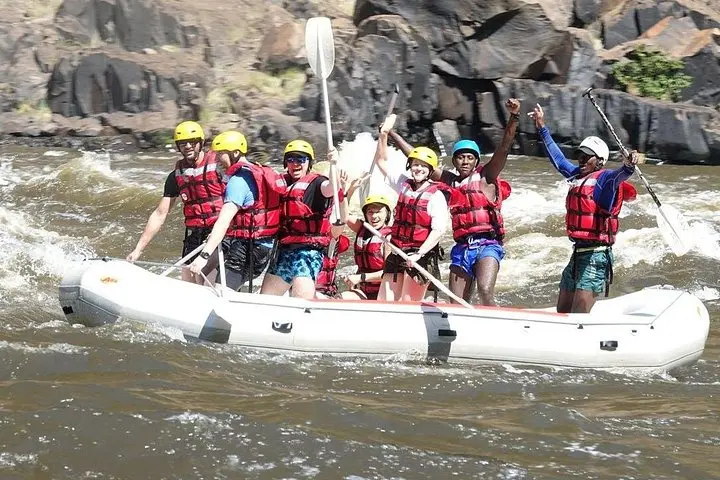
You push off at first light, the Zambezi whispering then roaring as the raft catches the current. Mist from upstream still clings to the gorge walls while guides call commands and paddles sync into a single effort. The river dares you forward; rapids rise like stacked waves and the gorge narrows, basalt cliffs leaning in to watch.
Verified experiences and guided adventures in the surrounding area.
Operated by Ayoba Adventures · Livingstone, Southern Province
You push off at first light, the Zambezi whispering then roaring as the raft catches the current. Mist from upstream still clings to the gorge walls while guides call commands and paddles sync into a single effort. The river dares you forward; rapids rise like stacked waves and the gorge narrows, basalt cliffs leaning in to watch.
This stretch below Victoria Falls cuts through volcanic rock carved over millennia — the Batoka Gorge is a raw display of erosion and basalt columns. Europeans first mapped the falls in the 19th century, and local Tonga communities have long histories tied to river and floodplain. Today, raft lines thread past geological scars, small farms and villages that punctuate the drive back to Livingstone.
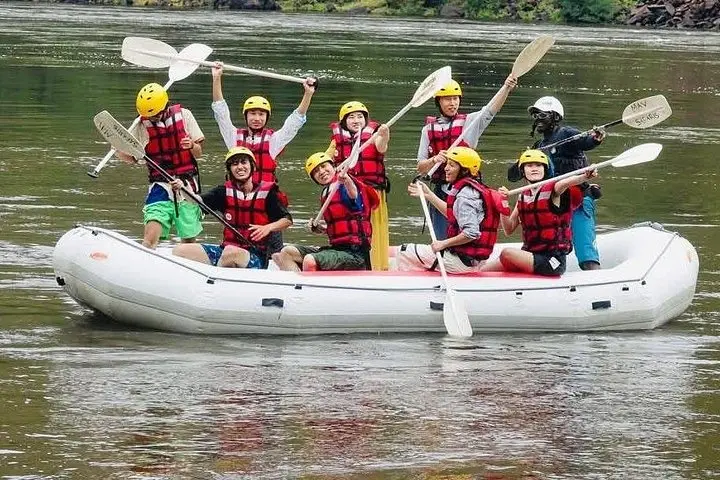
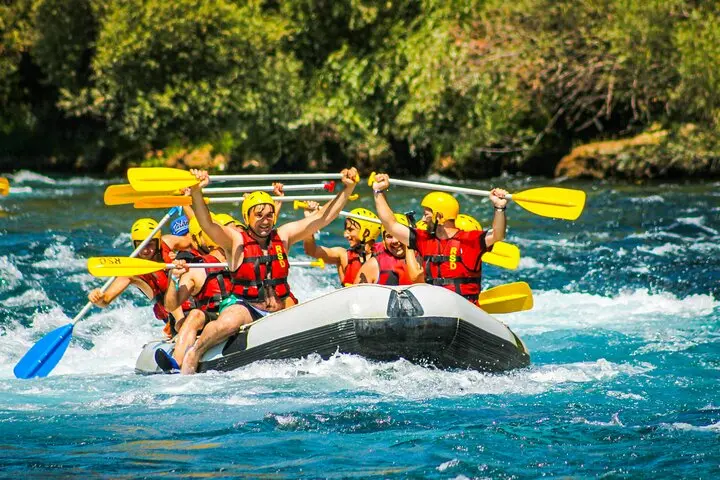
Expect a full-day outing: transfers from town, safety briefing, then a multi-rapid run that operators route from Rapid 1 to 14 or 14 to 25 depending on water levels. The trip mixes sustained class IV–V white water with calmer floating sections where you can scan riverbanks for monitor lizards and birds. Guides handle technical moves and safety gear — your role is paddling, staying balanced and following commands.
Plan practicals: bring quick-dry clothes, secure footwear, sun protection and a waterproof bag for essentials. Be honest about fitness and health — this run is physically demanding and not recommended for pregnant guests or those with cardiovascular issues. Timing matters: dry-season water levels change the character of rapids and visibility for wildlife. When the river settles at the end, the walk up the bank and the drive home through rural villages are a quieter, human-scale counterpoint to the afternoon’s surge.
The on-water section typically runs about 3–4 hours; the full experience with transfers, briefing and lunch takes around 4–5 hours.
No prior experience is required but a moderate fitness level and basic swimming ability are recommended; guides provide instruction and safety equipment.
Operators supply helmets, life jackets and trained guides; they also carry throw ropes and first-aid kits for river incidents.
Yes—round-trip transfers from Livingstone, snacks while floating and a packed or riverside lunch are included in the standard package.
Ayoba Adventures operates guided outdoor trips and adventures with an emphasis on safety, stewardship, and memorable experiences.
You push off at first light, the Zambezi whispering then roaring as the raft catches the current. Mist from upstream still clings to the gorge walls while guides call commands and paddles sync into a single effort. The river dares you forward; rapids rise like stacked waves and the gorge narrows, basalt cliffs leaning in to watch.
You push off at first light, the Zambezi whispering then roaring as the raft catches the current. Mist from upstream still clings to the gorge walls while guides call commands and paddles sync into a single effort. The river dares you forward; rapids rise like stacked waves and the gorge narrows, basalt cliffs leaning in to watch.
This stretch below Victoria Falls cuts through volcanic rock carved over millennia — the Batoka Gorge is a raw display of erosion and basalt columns. Europeans first mapped the falls in the 19th century, and local Tonga communities have long histories tied to river and floodplain. Today, raft lines thread past geological scars, small farms and villages that punctuate the drive back to Livingstone.
Expect a full-day outing: transfers from town, safety briefing, then a multi-rapid run that operators route from Rapid 1 to 14 or 14 to 25 depending on water levels. The trip mixes sustained class IV–V white water with calmer floating sections where you can scan riverbanks for monitor lizards and birds. Guides handle technical moves and safety gear — your role is paddling, staying balanced and following commands.
Plan practicals: bring quick-dry clothes, secure footwear, sun protection and a waterproof bag for essentials. Be honest about fitness and health — this run is physically demanding and not recommended for pregnant guests or those with cardiovascular issues. Timing matters: dry-season water levels change the character of rapids and visibility for wildlife. When the river settles at the end, the walk up the bank and the drive home through rural villages are a quieter, human-scale counterpoint to the afternoon’s surge.