THE ADVENTURE COLLECTIVE® · Independent discovery and booking for outdoor travel

Two days of full-on rafting through the Batoka Gorge, launched from Livingstone. Expect technical rapids shaped by seasonal rains, professional guides, and dramatic canyon scenery.
Two days of full-on rafting through the Batoka Gorge, launched from Livingstone. Expect technical rapids shaped by seasonal rains, professional guides, and dramatic canyon scenery.
The first roar arrives before the raft does — a low, river-deep sound that rolls out of the Batoka Gorge and climbs the cliffs. By the time the guide snaps the rope and the inflatable bites into current, the gorge feels alive: water slapping against rubber, birds cutting the air, rock faces sweating after a tropical storm. On this two-day rafting circuit from Livingstone, the Zambezi doesn’t ask politely; it prods and pushes, then rewards with flat water where the current lets you breathe and watch a kingfisher tilt like a compass needle.
Verified experiences and guided adventures in the surrounding area.
Operated by Owen's Taxi and Tours · Livingstone, Southern Province
The first roar arrives before the raft does — a low, river-deep sound that rolls out of the Batoka Gorge and climbs the cliffs. By the time the guide snaps the rope and the inflatable bites into current, the gorge feels alive: water slapping against rubber, birds cutting the air, rock faces sweating after a tropical storm. On this two-day rafting circuit from Livingstone, the Zambezi doesn’t ask politely; it prods and pushes, then rewards with flat water where the current lets you breathe and watch a kingfisher tilt like a compass needle.
The Batoka Gorge is recent in geological terms — basalt carved quickly by the river’s force after the Victoria Falls cataract captured the Zambezi’s energy. European explorers arrived in the 19th century and wrote of a river that changed its moods with the rains; that remains true. Local Tonga communities have navigated these waters for generations, and modern commercial rafting sits alongside traditional fishing and riverside agriculture.
The adventure is as much about context as adrenaline. Below the falls the canyon walls funnel white water into tight, technical rapids that demand precise timing. At high water the river turns into a boisterous, churning animal; at low water it becomes technical, exposing ledges and requiring careful line choices. Guides operating from the Zambian side are highly professional — they read the river and modulate the experience to conditions and group ability.
Practicalities matter: this is two full river days, typically 7–8 hours on the water per day, with transport from Livingstone. Wear secure water shoes and quick-dry layers; a tight-fitting synthetic top and shorts will outperform cotton. Hydrate before launch and bring a small dry bag for essentials — cameras go in tough waterproof housings or leave them on shore. Follow guide commands; the most important skill here is the ability to stay calm, paddle on call, and swim if necessary. Bring sunscreen and a light change of clothes for the transfer vehicles; the sun on the Zambezi can be intense even when the canyon shadows cool you.
Timing is everything: the river is controlled by rainfall. Peak flows mean long, powerful waves; shoulder seasons offer more technical runs. Expect wildlife sightings along the banks — hippos snorting in side pools, fish eagles riding thermals — and be ready for sudden weather shifts. Operators aim for safety and sustainability: respect no-trace principles, avoid single-use plastics, and listen when guides explain river-specific rules. For travelers seeking a high-adrenaline, culturally rich river experience within a short drive from Livingstone, rafting the Batoka Gorge delivers a clear, carefully run confrontation with the Zambezi’s energy.
Age requirements vary by operator but most require participants to be at least 16; check with the supplier and note infants must sit on laps for transport.
No — guided commercial trips accommodate beginners, but you must be able to swim and follow guide instructions.
Rainfall dictates river behavior: higher water after the rains (late summer) produces big waves; shoulder seasons offer more technical runs — ask the operator about current flows.
Transport from Livingstone is typically provided; meal inclusions vary so confirm when booking — the operator lists private transportation and parking fees.
Being able to swim is strongly recommended. Lifejackets and guides are provided, but non-swimmers should discuss options with the operator before booking.
Trips can be canceled for unsafe river conditions; the tour's cancellation policy allows refunds if canceled at least 24 hours prior or if the operator cancels due to weather.
Owen's Taxi and Tours operates guided outdoor trips and adventures with an emphasis on safety, stewardship, and memorable experiences.
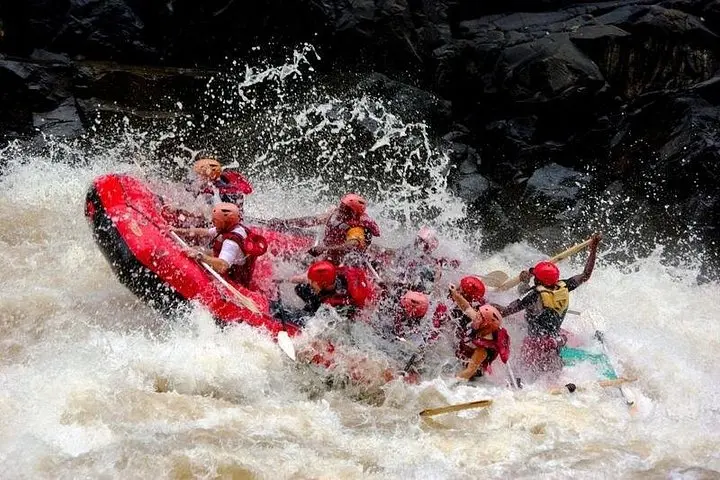
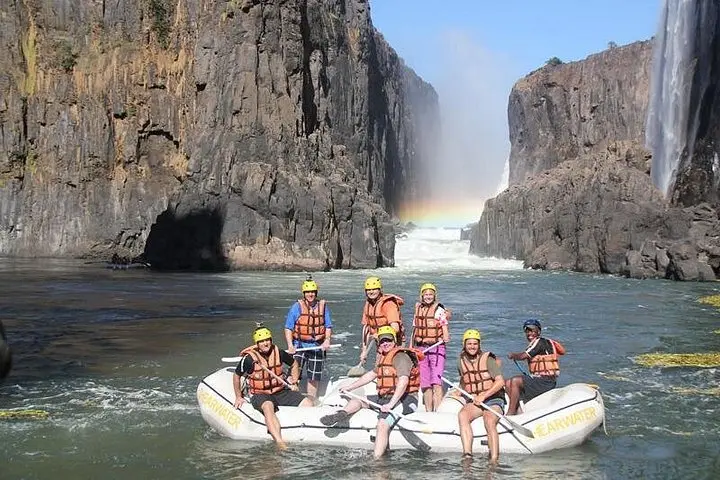
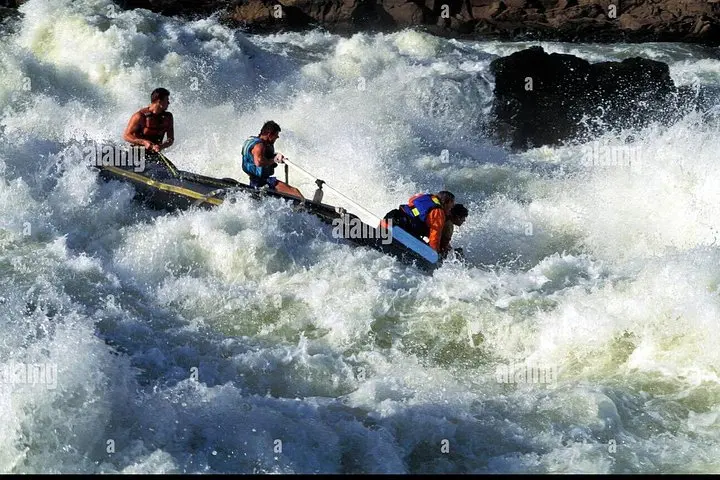
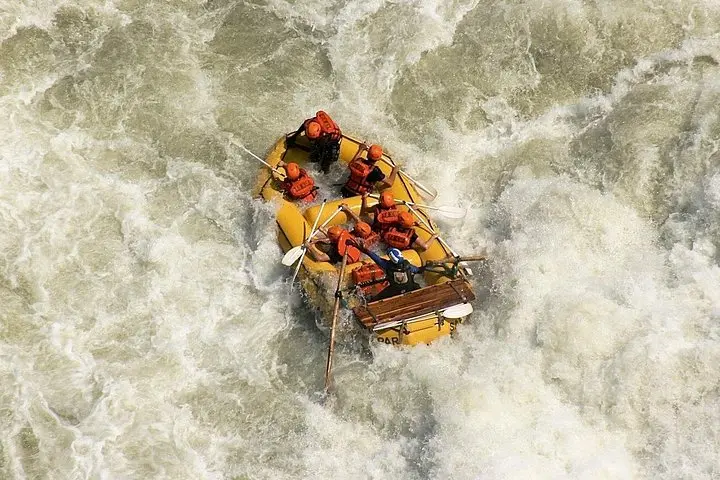
The first roar arrives before the raft does — a low, river-deep sound that rolls out of the Batoka Gorge and climbs the cliffs. By the time the guide snaps the rope and the inflatable bites into current, the gorge feels alive: water slapping against rubber, birds cutting the air, rock faces sweating after a tropical storm. On this two-day rafting circuit from Livingstone, the Zambezi doesn’t ask politely; it prods and pushes, then rewards with flat water where the current lets you breathe and watch a kingfisher tilt like a compass needle.
The first roar arrives before the raft does — a low, river-deep sound that rolls out of the Batoka Gorge and climbs the cliffs. By the time the guide snaps the rope and the inflatable bites into current, the gorge feels alive: water slapping against rubber, birds cutting the air, rock faces sweating after a tropical storm. On this two-day rafting circuit from Livingstone, the Zambezi doesn’t ask politely; it prods and pushes, then rewards with flat water where the current lets you breathe and watch a kingfisher tilt like a compass needle.
The Batoka Gorge is recent in geological terms — basalt carved quickly by the river’s force after the Victoria Falls cataract captured the Zambezi’s energy. European explorers arrived in the 19th century and wrote of a river that changed its moods with the rains; that remains true. Local Tonga communities have navigated these waters for generations, and modern commercial rafting sits alongside traditional fishing and riverside agriculture.
The adventure is as much about context as adrenaline. Below the falls the canyon walls funnel white water into tight, technical rapids that demand precise timing. At high water the river turns into a boisterous, churning animal; at low water it becomes technical, exposing ledges and requiring careful line choices. Guides operating from the Zambian side are highly professional — they read the river and modulate the experience to conditions and group ability.
Practicalities matter: this is two full river days, typically 7–8 hours on the water per day, with transport from Livingstone. Wear secure water shoes and quick-dry layers; a tight-fitting synthetic top and shorts will outperform cotton. Hydrate before launch and bring a small dry bag for essentials — cameras go in tough waterproof housings or leave them on shore. Follow guide commands; the most important skill here is the ability to stay calm, paddle on call, and swim if necessary. Bring sunscreen and a light change of clothes for the transfer vehicles; the sun on the Zambezi can be intense even when the canyon shadows cool you.
Timing is everything: the river is controlled by rainfall. Peak flows mean long, powerful waves; shoulder seasons offer more technical runs. Expect wildlife sightings along the banks — hippos snorting in side pools, fish eagles riding thermals — and be ready for sudden weather shifts. Operators aim for safety and sustainability: respect no-trace principles, avoid single-use plastics, and listen when guides explain river-specific rules. For travelers seeking a high-adrenaline, culturally rich river experience within a short drive from Livingstone, rafting the Batoka Gorge delivers a clear, carefully run confrontation with the Zambezi’s energy.