THE ADVENTURE COLLECTIVE® · Independent discovery and booking for outdoor travel

Walk through groves of clove, vanilla and cinnamon on a 3-hour spice farm tour near Stone Town. Taste seasonal fruits, learn cultivation methods, and finish with a traditional Swahili lunch and a stop at a cash-only spice stall.
Walk through groves of clove, vanilla and cinnamon on a 3-hour spice farm tour near Stone Town. Taste seasonal fruits, learn cultivation methods, and finish with a traditional Swahili lunch and a stop at a cash-only spice stall.
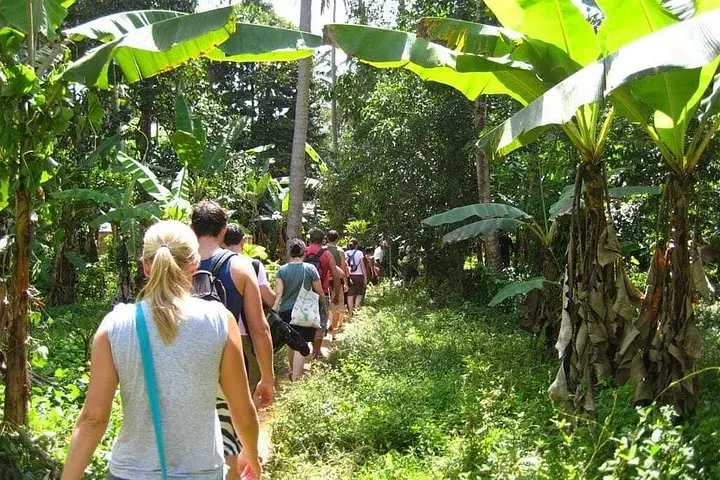
You step off the shaded track and the air shifts—warm, humid, and threaded with sharp clove and citrus. Narrow rows of trees and vines stand like deliberate gardeners, each leaf and pod offering a new scent to test against your tongue. This is a spice farm walk on Unguja: a short, tactile exploration where smell and taste lead the way.
Verified experiences and guided adventures in the surrounding area.
Operated by ZAFRICA TOURS AND SAFARIS · Zanzibar City, Zanzibar
You step off the shaded track and the air shifts—warm, humid, and threaded with sharp clove and citrus. Narrow rows of trees and vines stand like deliberate gardeners, each leaf and pod offering a new scent to test against your tongue. This is a spice farm walk on Unguja: a short, tactile exploration where smell and taste lead the way.
Spice cultivation in Zanzibar traces back centuries; Portuguese and later Omani traders shaped routes that turned the island into a global spice hub. Geologically the island is coral limestone with shallow, fertile soils—ideal for tropical crops like cinnamon, nutmeg, vanilla and black pepper. Culturally the farms reflect Swahili foodways: you’ll hear about household uses, medicinal practices and how cloves once underwrote the island’s economy.
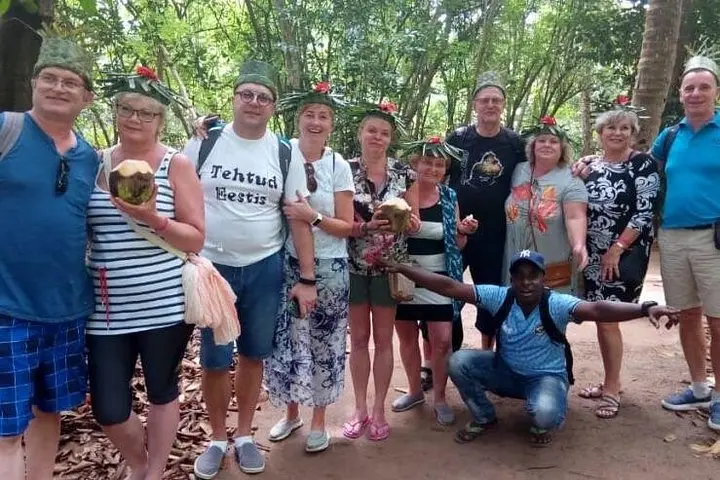
The tour moves at an easy pace—flat paths between planted plots, close-up demonstrations of harvest and drying, and seasonal fruit tastings. Expect hands-on moments (peeling turmeric, chewing fresh clove buds) and a Swahili lunch that demonstrates how those same spices build depth in coastal cuisine.
Practical notes: the walk is low-effort but humid; mornings are cooler and better for scent intensity. Wear closed shoes for planted paths, bring a hat and water, and carry small bills—spice stalls take cash only. The visit supports smallholders; buy a packet if you want to bring the flavors home. This is a short cultural immersion that trains your nose as much as it feeds your curiosity.
The tour lasts about 3 hours with a short, easy walk around the farm—typically under 2 kilometers total on mostly flat terrain.
Yes—paths are gentle and the tour is labeled physically easy; transport and facilities note wheelchair accessibility but check specific pickup options when booking.
Tours usually can accommodate basic dietary needs if notified in advance; indicate restrictions on booking so the kitchen can prepare accordingly.
Yes—freshly packaged spices are sold at the farm stall; vendors commonly accept cash only, so bring Tanzanian shillings.
ZAFRICA TOURS AND SAFARIS operates guided outdoor trips and adventures with an emphasis on safety, stewardship, and memorable experiences.


You step off the shaded track and the air shifts—warm, humid, and threaded with sharp clove and citrus. Narrow rows of trees and vines stand like deliberate gardeners, each leaf and pod offering a new scent to test against your tongue. This is a spice farm walk on Unguja: a short, tactile exploration where smell and taste lead the way.
You step off the shaded track and the air shifts—warm, humid, and threaded with sharp clove and citrus. Narrow rows of trees and vines stand like deliberate gardeners, each leaf and pod offering a new scent to test against your tongue. This is a spice farm walk on Unguja: a short, tactile exploration where smell and taste lead the way.
Spice cultivation in Zanzibar traces back centuries; Portuguese and later Omani traders shaped routes that turned the island into a global spice hub. Geologically the island is coral limestone with shallow, fertile soils—ideal for tropical crops like cinnamon, nutmeg, vanilla and black pepper. Culturally the farms reflect Swahili foodways: you’ll hear about household uses, medicinal practices and how cloves once underwrote the island’s economy.
The tour moves at an easy pace—flat paths between planted plots, close-up demonstrations of harvest and drying, and seasonal fruit tastings. Expect hands-on moments (peeling turmeric, chewing fresh clove buds) and a Swahili lunch that demonstrates how those same spices build depth in coastal cuisine.
Practical notes: the walk is low-effort but humid; mornings are cooler and better for scent intensity. Wear closed shoes for planted paths, bring a hat and water, and carry small bills—spice stalls take cash only. The visit supports smallholders; buy a packet if you want to bring the flavors home. This is a short cultural immersion that trains your nose as much as it feeds your curiosity.