THE ADVENTURE COLLECTIVE® · Independent discovery and booking for outdoor travel

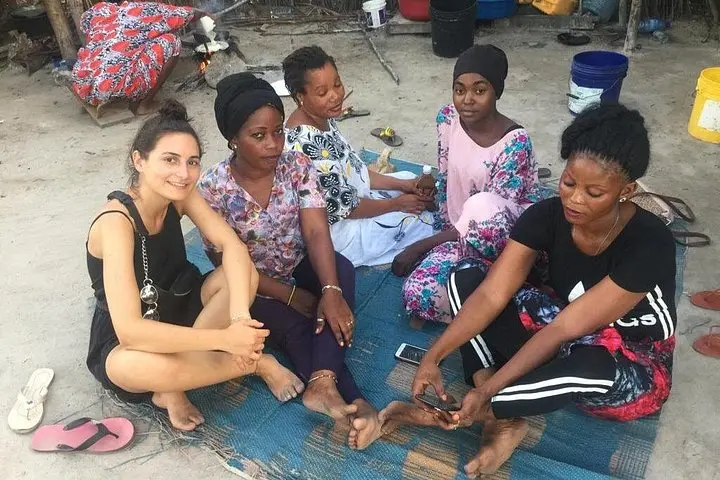
Spend a five‑hour morning in Chwaka visiting a traditional village, shopping at the fish market, and learning to cook Zanzibari dishes with local hosts. This hands‑on tour emphasizes cultural exchange and community impact, ideal for travelers seeking meaningful immersion without strenuous activity.
Spend a five‑hour morning in Chwaka visiting a traditional village, shopping at the fish market, and learning to cook Zanzibari dishes with local hosts. This hands‑on tour emphasizes cultural exchange and community impact, ideal for travelers seeking meaningful immersion without strenuous activity.
A soft ocean breeze carries the smell of salt and coconut as participants step off a shaded minivan into Chwaka’s wide, sunlit lane. Fishermen string nets nearby and a coconut tree leans over the yard, daring you to watch the climb. This five‑hour eco‑village tour moves at a human pace: observation, conversation, and hands‑on cooking with local hosts.
Verified experiences and guided adventures in the surrounding area.
Operated by Zanzibar Eco-Friendly Tours · Stone Town, Unguja
A soft ocean breeze carries the smell of salt and coconut as participants step off a shaded minivan into Chwaka’s wide, sunlit lane. Fishermen string nets nearby and a coconut tree leans over the yard, daring you to watch the climb. This five‑hour eco‑village tour moves at a human pace: observation, conversation, and hands‑on cooking with local hosts.
Unguja’s east coast sits on a coral-limestone shelf formed by millennia of reef growth; tidal flats around Chwaka Bay shape village life and the region’s fishing culture. Historically, Zanzibar’s settlements were crossroads of Swahili trade—Arabic, African, and Indian influences appear in language, food, and handicrafts. The PDS Charitable School included on workdays highlights contemporary community efforts to link tourism with education.
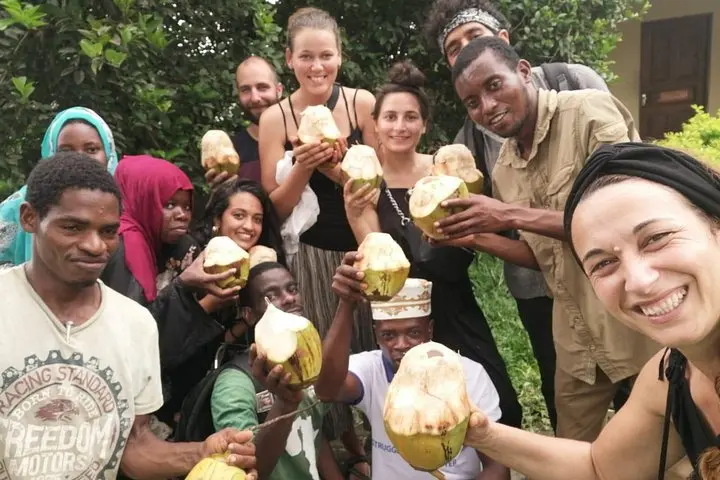
Expect a mix of sensory experiences: the slap of fish at the market, the sharp sweetness of fresh coconut milk, charcoal smoke rising from open‑air kitchens. Nature isn’t passive here—the bay’s tidal rhythm dictates market hours and the pace of chores, while mangrove roots brace the shoreline.
Practical guidance: wear modest, lightweight clothing that dries quickly; bring small denominations of Tanzanian shillings for market purchases and tips; carry sunscreen and a reusable water bottle—the tour provides bottled water but hydration on hot days is essential. Photography is welcome but ask before taking close portraits. The terrain is flat and village paths are sandy or paved; comfortable closed‑toe shoes make market and kitchen visits easier. This tour suits travelers looking for cultural immersion with low physical demands and tangible takeaways: recipes, stories, and a clearer picture of daily life on Zanzibar’s east coast.
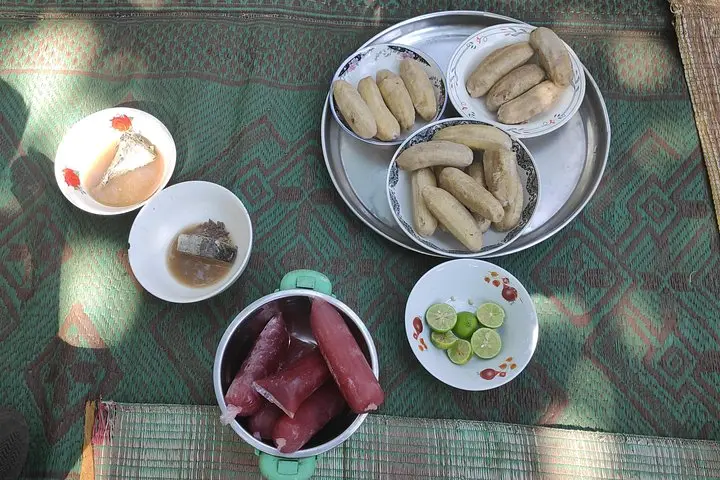
The tour lasts about five hours and includes private transportation, a visit to a traditional village, Chwaka fish market, a hands‑on cooking session with lunch, bottled water, and a local guide.
The tour is described as physically easy and family‑friendly, but village paths and market areas are sandy or uneven—notify operators of mobility needs when booking.
Yes—visitors can purchase fresh ingredients used in the cooking session and small local crafts; bring small cash and expect to haggle politely.
Visits to the PDS Charitable School are available on workdays; check the operator’s schedule and respect any guidelines for interacting with students.
Zanzibar Eco-Friendly Tours operates guided outdoor trips and adventures with an emphasis on safety, stewardship, and memorable experiences.
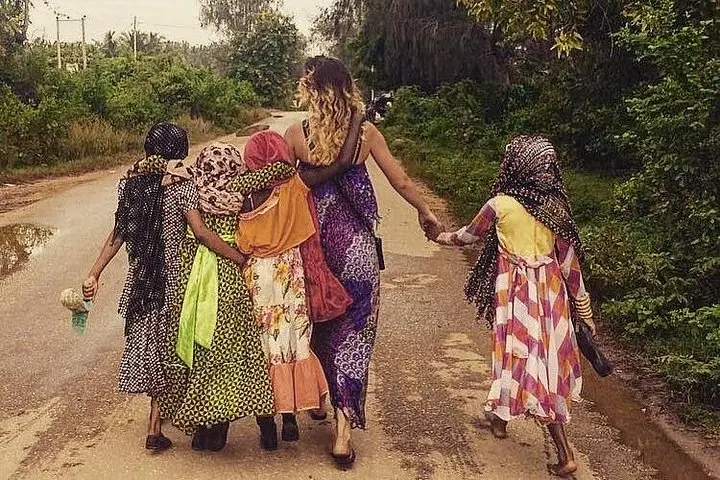
A soft ocean breeze carries the smell of salt and coconut as participants step off a shaded minivan into Chwaka’s wide, sunlit lane. Fishermen string nets nearby and a coconut tree leans over the yard, daring you to watch the climb. This five‑hour eco‑village tour moves at a human pace: observation, conversation, and hands‑on cooking with local hosts.
A soft ocean breeze carries the smell of salt and coconut as participants step off a shaded minivan into Chwaka’s wide, sunlit lane. Fishermen string nets nearby and a coconut tree leans over the yard, daring you to watch the climb. This five‑hour eco‑village tour moves at a human pace: observation, conversation, and hands‑on cooking with local hosts.
Unguja’s east coast sits on a coral-limestone shelf formed by millennia of reef growth; tidal flats around Chwaka Bay shape village life and the region’s fishing culture. Historically, Zanzibar’s settlements were crossroads of Swahili trade—Arabic, African, and Indian influences appear in language, food, and handicrafts. The PDS Charitable School included on workdays highlights contemporary community efforts to link tourism with education.
Expect a mix of sensory experiences: the slap of fish at the market, the sharp sweetness of fresh coconut milk, charcoal smoke rising from open‑air kitchens. Nature isn’t passive here—the bay’s tidal rhythm dictates market hours and the pace of chores, while mangrove roots brace the shoreline.
Practical guidance: wear modest, lightweight clothing that dries quickly; bring small denominations of Tanzanian shillings for market purchases and tips; carry sunscreen and a reusable water bottle—the tour provides bottled water but hydration on hot days is essential. Photography is welcome but ask before taking close portraits. The terrain is flat and village paths are sandy or paved; comfortable closed‑toe shoes make market and kitchen visits easier. This tour suits travelers looking for cultural immersion with low physical demands and tangible takeaways: recipes, stories, and a clearer picture of daily life on Zanzibar’s east coast.