THE ADVENTURE COLLECTIVE® · Independent discovery and booking for outdoor travel

Walk shaded farm lanes where cloves, cardamom and tropical fruits still grow. This 3–5 hour Fruits & Spices Adventure pairs tastings, a cooking demo and a farm-to-table lunch for a hands-on look at Zanzibar’s food culture.
Walk shaded farm lanes where cloves, cardamom and tropical fruits still grow. This 3–5 hour Fruits & Spices Adventure pairs tastings, a cooking demo and a farm-to-table lunch for a hands-on look at Zanzibar’s food culture.
The path opens under a hot, green ceiling: clove trees arch like dark umbrellas, cardamom vines scent the air, and papaya leaves rustle as you move through the plot. On a Fruits & Spices Adventure in Zanzibar, a guide leads small groups across farm trails where the island’s flavors still grow in the ground that made its name.
Verified experiences and guided adventures in the surrounding area.
Operated by Busungu Tours and Safaris · Stone Town, Zanzibar
The path opens under a hot, green ceiling: clove trees arch like dark umbrellas, cardamom vines scent the air, and papaya leaves rustle as you move through the plot. On a Fruits & Spices Adventure in Zanzibar, a guide leads small groups across farm trails where the island’s flavors still grow in the ground that made its name.
Zanzibar’s spice trade reshaped the Indian Ocean—Omani rulers and 19th-century clove booms turned these groves into export economies. The soils here are shallow coral-derived loams, filtered by wind and sea; they favor spices with intense aromas rather than deep roots. Culturally, spice gardens have long been community spaces—places for food, medicine and family recipes—and local stewards still demonstrate traditional uses of cinnamon, turmeric and neem.
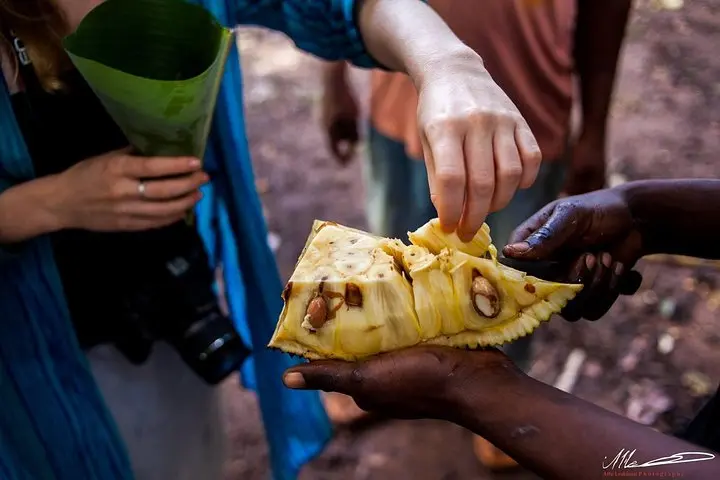
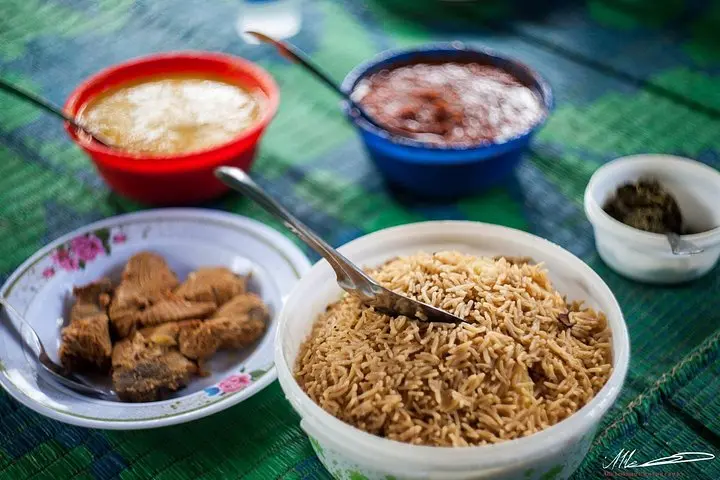
Expect easy, guided walking over dirt tracks and shaded groves (roughly 2–4 km of strolling across 3–5 hours). Stops include hands-on tasting of fresh pepper, tamarind and coconut, a short demo of how spices are dried and ground, and a family-style lunch flavored with the very ingredients you sample. Guides explain culinary and medicinal uses and often show small-scale sustainable practices like mulching and intercropping.
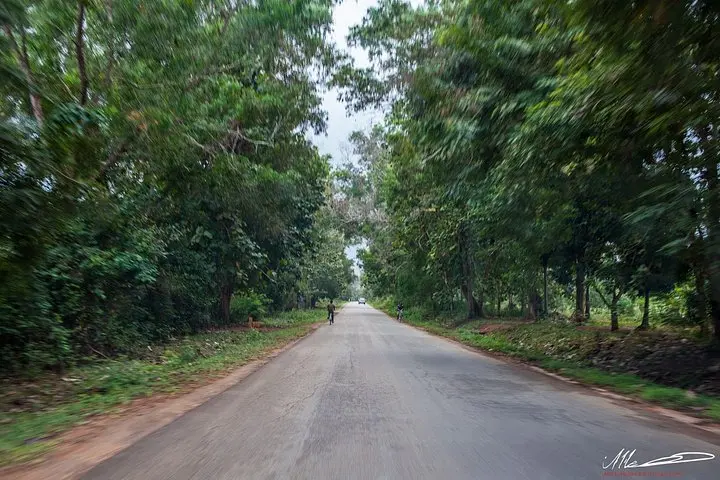
Practical tips: wear closed-toe shoes and insect repellent, carry water and sun protection, and plan for light rain depending on season. The tour is low-impact but mindful: take leftovers-free lunches and avoid single-use plastics. For travelers who want close-up flavor and a short, sensory introduction to Zanzibar’s agricultural heritage, this is a compact, informative field visit that pairs well with a day in Stone Town.
Yes — the walk is short and educational; infants should sit on laps and staff can accommodate families.
Yes — a local-style lunch using fresh spices and fruits is included with the tour price.
The tour is advertised as wheelchair accessible, but farm terrain can be uneven—check with the operator before booking.
Guides commonly speak English and Swahili; other languages may be available on request but are not guaranteed.
Busungu Tours and Safaris operates guided outdoor trips and adventures with an emphasis on safety, stewardship, and memorable experiences.
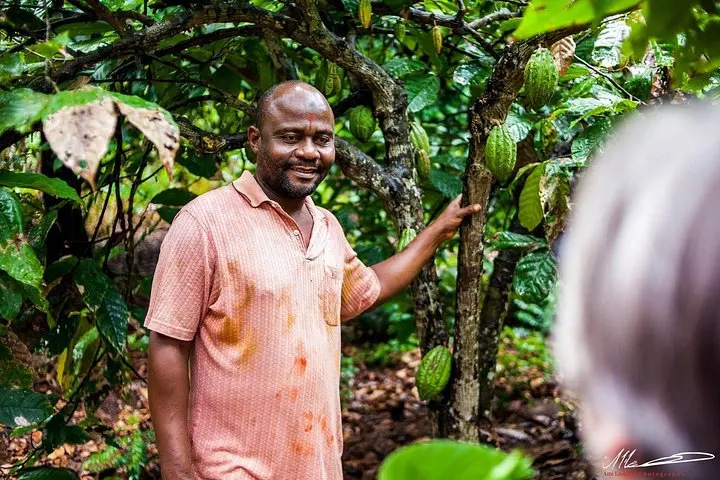
The path opens under a hot, green ceiling: clove trees arch like dark umbrellas, cardamom vines scent the air, and papaya leaves rustle as you move through the plot. On a Fruits & Spices Adventure in Zanzibar, a guide leads small groups across farm trails where the island’s flavors still grow in the ground that made its name.
The path opens under a hot, green ceiling: clove trees arch like dark umbrellas, cardamom vines scent the air, and papaya leaves rustle as you move through the plot. On a Fruits & Spices Adventure in Zanzibar, a guide leads small groups across farm trails where the island’s flavors still grow in the ground that made its name.
Zanzibar’s spice trade reshaped the Indian Ocean—Omani rulers and 19th-century clove booms turned these groves into export economies. The soils here are shallow coral-derived loams, filtered by wind and sea; they favor spices with intense aromas rather than deep roots. Culturally, spice gardens have long been community spaces—places for food, medicine and family recipes—and local stewards still demonstrate traditional uses of cinnamon, turmeric and neem.
Expect easy, guided walking over dirt tracks and shaded groves (roughly 2–4 km of strolling across 3–5 hours). Stops include hands-on tasting of fresh pepper, tamarind and coconut, a short demo of how spices are dried and ground, and a family-style lunch flavored with the very ingredients you sample. Guides explain culinary and medicinal uses and often show small-scale sustainable practices like mulching and intercropping.
Practical tips: wear closed-toe shoes and insect repellent, carry water and sun protection, and plan for light rain depending on season. The tour is low-impact but mindful: take leftovers-free lunches and avoid single-use plastics. For travelers who want close-up flavor and a short, sensory introduction to Zanzibar’s agricultural heritage, this is a compact, informative field visit that pairs well with a day in Stone Town.