THE ADVENTURE COLLECTIVE® · Independent discovery and booking for outdoor travel

Spend a single, well-paced day on Zanzibar sampling spice gardens, meeting giant tortoises on Prison Island, and walking the historical lanes of Stone Town. This combined tour delivers nature, history and local flavors with practical comfort and local guides.
Spend a single, well-paced day on Zanzibar sampling spice gardens, meeting giant tortoises on Prison Island, and walking the historical lanes of Stone Town. This combined tour delivers nature, history and local flavors with practical comfort and local guides.
Mornings on the west coast of Unguja start humid and fragrant—the breeze carrying cardamom and clove from inland plantations out toward the Indian Ocean. On this full-day loop you move from shaded spice rows to the reef-fringed silhouette of Prison (Changuu) Island and finally into the compact alleys of Stone Town, where coral-built houses lean over narrow streets.
Verified experiences and guided adventures in the surrounding area.
Operated by Africa’s Home Tours & Safaris · Zanzibar City, Zanzibar
Mornings on the west coast of Unguja start humid and fragrant—the breeze carrying cardamom and clove from inland plantations out toward the Indian Ocean. On this full-day loop you move from shaded spice rows to the reef-fringed silhouette of Prison (Changuu) Island and finally into the compact alleys of Stone Town, where coral-built houses lean over narrow streets.
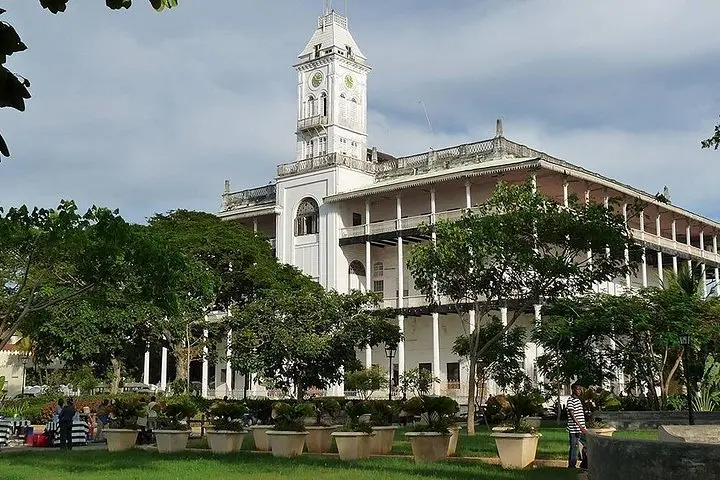
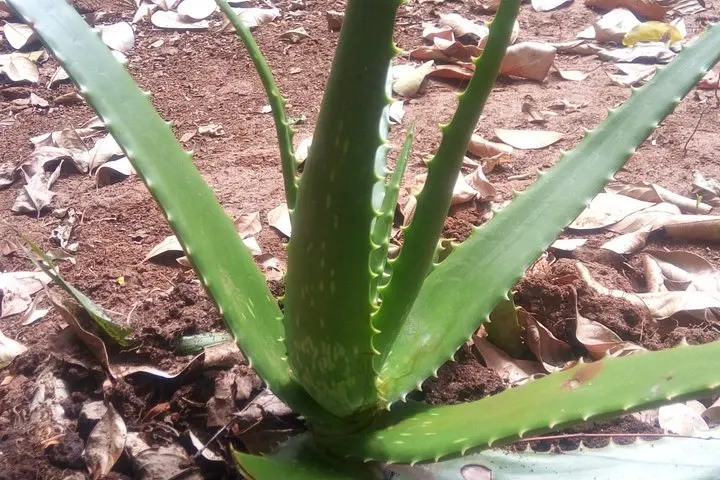
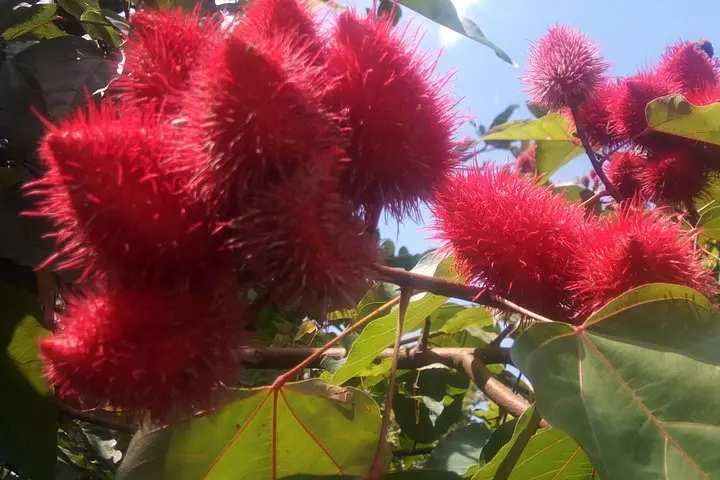
The Spice Tour introduces you to the island’s botanical backbone: cloves that built Zanzibar’s 19th-century economy, turmeric and ginger that color local cuisine, and coconut palms that still bind daily life to the sea. Geology here is coral limestone; many old buildings and the House of Wonders are cut from fossilized reef laid down millennia ago.
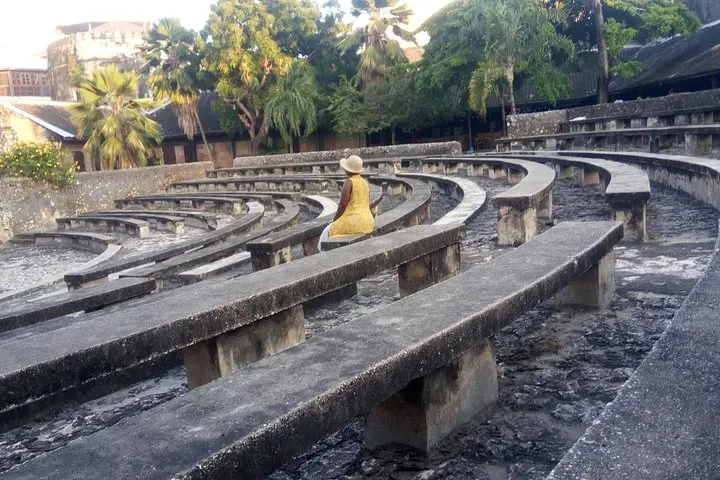
Prison Island offers a quieter cadence—Aldabra giant tortoises lumber under tamarind shade, peacocks fan iridescence, and ruined quarantine barracks remind visitors of colonial public-health schemes. Back in Stone Town, former slave chambers, the Old Fort and market corridors trace a layered history of trade, empire and Swahili culture.
Practical guide: plan 7–10 hours, expect boat transfers and 3–4 hours of walking over packed sand, cobbles and flat farm tracks. Wear closed-toe shoes for the farms and reef shoes for optional snorkeling at Prison Island. Bring sunscreen, a hat, insect repellent and a refillable water bottle—the guide typically provides bottled water and a spice-themed lunch.
Timing: early departure avoids midday heat and gives calmer seas for the short boat ride. Respect cultural norms in Stone Town—cover shoulders and knees in conservative areas, and ask before photographing people.
This is a compact cross-section of Zanzibar’s nature, history and living culture—packed into a single, accessible day.
The tour runs about 7–10 hours and typically includes boat transfers to Prison Island, guided spice farm visit, entrance to Prison Island sites, a walking tour of Stone Town, bottled water and a spice lunch.
Snorkeling is often available at Prison Island; basic equipment may be provided but bringing your own mask/snorkel is recommended for fit and comfort.
Yes—it's advertised as suitable for all fitness levels, but expect boat transfers, some walking and uneven surfaces; wheelchair access may be limited at certain historic sites.
Bring small Tanzanian shillings for any optional purchases, local donations, or guide and boat crew tips; major tour fees are usually pre-paid.
Africa’s Home Tours & Safaris operates guided outdoor trips and adventures with an emphasis on safety, stewardship, and memorable experiences.
Mornings on the west coast of Unguja start humid and fragrant—the breeze carrying cardamom and clove from inland plantations out toward the Indian Ocean. On this full-day loop you move from shaded spice rows to the reef-fringed silhouette of Prison (Changuu) Island and finally into the compact alleys of Stone Town, where coral-built houses lean over narrow streets.
Mornings on the west coast of Unguja start humid and fragrant—the breeze carrying cardamom and clove from inland plantations out toward the Indian Ocean. On this full-day loop you move from shaded spice rows to the reef-fringed silhouette of Prison (Changuu) Island and finally into the compact alleys of Stone Town, where coral-built houses lean over narrow streets.
The Spice Tour introduces you to the island’s botanical backbone: cloves that built Zanzibar’s 19th-century economy, turmeric and ginger that color local cuisine, and coconut palms that still bind daily life to the sea. Geology here is coral limestone; many old buildings and the House of Wonders are cut from fossilized reef laid down millennia ago.
Prison Island offers a quieter cadence—Aldabra giant tortoises lumber under tamarind shade, peacocks fan iridescence, and ruined quarantine barracks remind visitors of colonial public-health schemes. Back in Stone Town, former slave chambers, the Old Fort and market corridors trace a layered history of trade, empire and Swahili culture.
Practical guide: plan 7–10 hours, expect boat transfers and 3–4 hours of walking over packed sand, cobbles and flat farm tracks. Wear closed-toe shoes for the farms and reef shoes for optional snorkeling at Prison Island. Bring sunscreen, a hat, insect repellent and a refillable water bottle—the guide typically provides bottled water and a spice-themed lunch.
Timing: early departure avoids midday heat and gives calmer seas for the short boat ride. Respect cultural norms in Stone Town—cover shoulders and knees in conservative areas, and ask before photographing people.
This is a compact cross-section of Zanzibar’s nature, history and living culture—packed into a single, accessible day.