THE ADVENTURE COLLECTIVE® · Independent discovery and booking for outdoor travel

Walk a working spice farm outside Stone Town to smell, taste and learn how cloves, cinnamon and tropical fruits shape Zanzibari kitchens. This two- to three-hour guided tour ends with a traditional Swahili lunch and time to buy fresh spices.
Walk a working spice farm outside Stone Town to smell, taste and learn how cloves, cinnamon and tropical fruits shape Zanzibari kitchens. This two- to three-hour guided tour ends with a traditional Swahili lunch and time to buy fresh spices.
You step off the shaded lane and the air changes: cinnamon, clove and citrus hit first, then the softer sweetness of ripe guava and rose apple. A guide leads the group beneath low canopies; leaves murmur and the soil gives up heat the way a story gives up detail.
Verified experiences and guided adventures in the surrounding area.
Operated by Colors of Zanzibar · Stone Town, Zanzibar
You step off the shaded lane and the air changes: cinnamon, clove and citrus hit first, then the softer sweetness of ripe guava and rose apple. A guide leads the group beneath low canopies; leaves murmur and the soil gives up heat the way a story gives up detail.
The islands’ spice farms grew into global importance in the 19th century when clove plantations reshaped Zanzibar’s economy and culture. The ground here is shallow coral limestone over older reef—porous, draining fast—so farmers irrigate and plant trees and vines in terraces and beds that hug the contours. Swahili foodways folded spice into rice, stews and coconut sauces; the tour ends with a traditional Swahili lunch that shows those uses in practice.
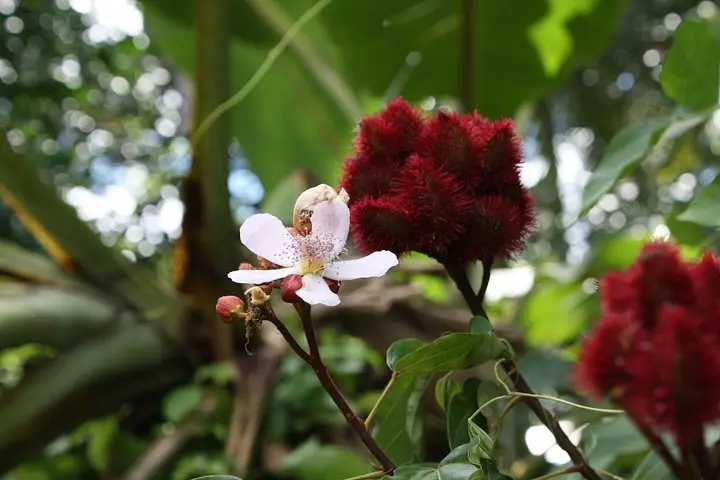
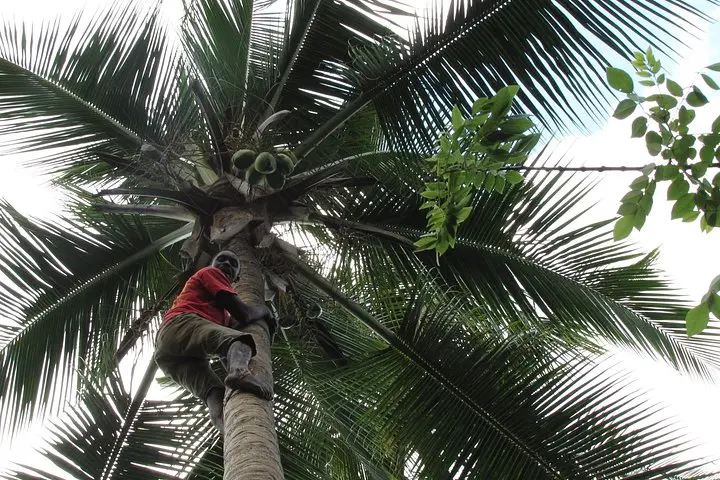
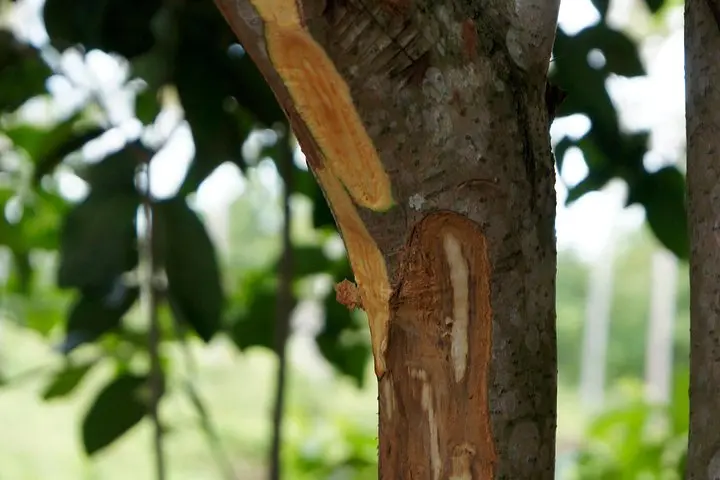
On the walk you’ll smell whole spices, see nutmeg and pepper vines, and taste seasonal fruits like the local “Zanzibar apple.” Guides explain planting cycles, traditional drying methods and how spices traveled from these plots to European markets via Stone Town’s docks. The experience is equal parts botany and kitchen lab: you learn how to grind clove for rice or use cinnamon bark in tea.
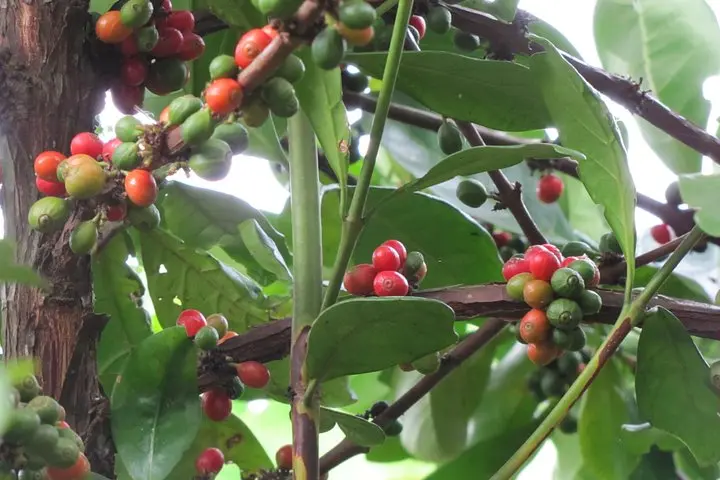
Practical: the excursion lasts roughly two to three hours with transfers from Stone Town typically included. Wear closed-toe shoes for uneven farm paths, bring sun protection and a small amount of cash for purchases of fresh spices, coffee and handmade soaps. Expect some standing and shady walking; children are welcome but should be supervised near planting beds. Plan mid-morning or late afternoon for cooler temperatures and better fruit tasting.
The tour typically runs 2–3 hours, including a guided farm walk, tastings and a Swahili lunch; transfers from Stone Town are usually included.
The lunch is traditional Swahili cuisine; most operators can accommodate common dietary requests if notified in advance—check when booking.
Yes—fresh spices, coffees, teas, soaps and perfumes are commonly sold on-site; bring small cash and ask about storage and shelf life.
Children are welcome but should be supervised around plantings; the farm walk includes uneven ground so limited mobility may make parts of the route difficult—ask about shorter or more accessible options when booking.
Colors of Zanzibar operates guided outdoor trips and adventures with an emphasis on safety, stewardship, and memorable experiences.
You step off the shaded lane and the air changes: cinnamon, clove and citrus hit first, then the softer sweetness of ripe guava and rose apple. A guide leads the group beneath low canopies; leaves murmur and the soil gives up heat the way a story gives up detail.
You step off the shaded lane and the air changes: cinnamon, clove and citrus hit first, then the softer sweetness of ripe guava and rose apple. A guide leads the group beneath low canopies; leaves murmur and the soil gives up heat the way a story gives up detail.
The islands’ spice farms grew into global importance in the 19th century when clove plantations reshaped Zanzibar’s economy and culture. The ground here is shallow coral limestone over older reef—porous, draining fast—so farmers irrigate and plant trees and vines in terraces and beds that hug the contours. Swahili foodways folded spice into rice, stews and coconut sauces; the tour ends with a traditional Swahili lunch that shows those uses in practice.
On the walk you’ll smell whole spices, see nutmeg and pepper vines, and taste seasonal fruits like the local “Zanzibar apple.” Guides explain planting cycles, traditional drying methods and how spices traveled from these plots to European markets via Stone Town’s docks. The experience is equal parts botany and kitchen lab: you learn how to grind clove for rice or use cinnamon bark in tea.
Practical: the excursion lasts roughly two to three hours with transfers from Stone Town typically included. Wear closed-toe shoes for uneven farm paths, bring sun protection and a small amount of cash for purchases of fresh spices, coffee and handmade soaps. Expect some standing and shady walking; children are welcome but should be supervised near planting beds. Plan mid-morning or late afternoon for cooler temperatures and better fruit tasting.