THE ADVENTURE COLLECTIVE® · Independent discovery and booking for outdoor travel

Walk through Zanzibar’s spice gardens, taste fresh tropical fruit, and meet the endemic red colobus in Jozani Forest on a private 5–6 hour tour. Early mornings reward visitors with active wildlife and cooler trails.
Walk through Zanzibar’s spice gardens, taste fresh tropical fruit, and meet the endemic red colobus in Jozani Forest on a private 5–6 hour tour. Early mornings reward visitors with active wildlife and cooler trails.
You step out of an air-conditioned minivan into a humid green room: the forest breathes, leaves glisten, and somewhere above a red colobus calls like a loose string of marbles. The Spice Farm smells of clove and cinnamon; a guide snaps a pod and hands it over — the scent is immediate and alive.
Verified experiences and guided adventures in the surrounding area.
Operated by The Sultan Tours · Jozani, Zanzibar (Unguja)
You step out of an air-conditioned minivan into a humid green room: the forest breathes, leaves glisten, and somewhere above a red colobus calls like a loose string of marbles. The Spice Farm smells of clove and cinnamon; a guide snaps a pod and hands it over — the scent is immediate and alive.
Zanzibar’s spice story is human and geological. The island sits on uplifted coral and white sand; its soils were shaped by centuries of coastal processes that let clove and nutmeg take root during the 19th-century spice boom. The Jozani area preserves a fragment of lowland forest and mangrove fringe that supports the endemic Zanzibar red colobus and an understory of medicinal plants used in local Swahili traditions.
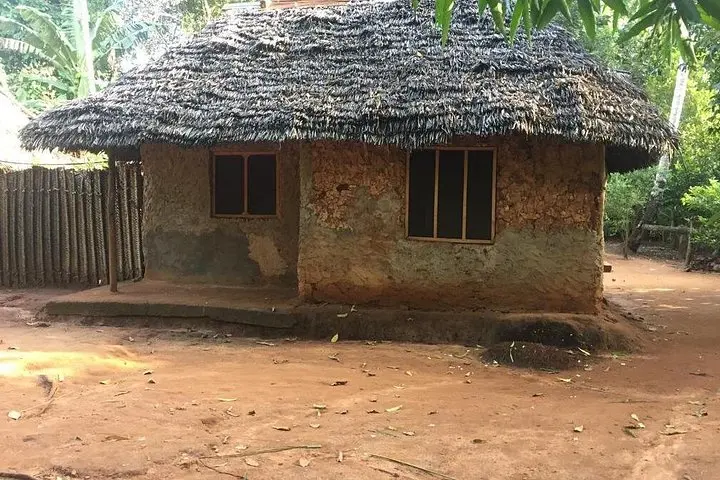
Culturally, the tour stitches together village life and plantation history: coconut climbers still sing, guides explain herbal uses, and fruit tasted hot from the tree tastes of place. On the mangrove boardwalk, roots grip the shoreline and the tide tests them daily — a living lesson in coastal resilience.
Practical guidance: plan 5–6 hours, with light walking on dirt trails and a short raised boardwalk. Admission to Jozani may not be included; confirm ahead. Wear closed-toe shoes for muddy patches, bring insect repellent and a sun hat, and aim for early morning when monkeys and birds are most active. Bottled water and fruit snacks are typically provided, and private pickup from Stone Town is standard. Respect wildlife distance, follow the guide’s lead, and support local conservation by staying on trails and avoiding single-use plastics.
Expect about 5–6 hours door-to-door, typically including hotel pickup, a 1–2 hour spice farm stop, and a 1–2 hour visit to Jozani Forest plus the mangrove boardwalk.
Admission to Jozani is often not included; confirm with the operator and carry local currency for park fees if required.
Yes — the tour notes stroller accessibility and infant seats; however, some paths may be bumpy and require short transfers on foot.
Wildlife sightings can’t be guaranteed, but early morning visits significantly increase chances of seeing red colobus, Sykes’ monkeys, and birdlife.
The Sultan Tours operates guided outdoor trips and adventures with an emphasis on safety, stewardship, and memorable experiences.
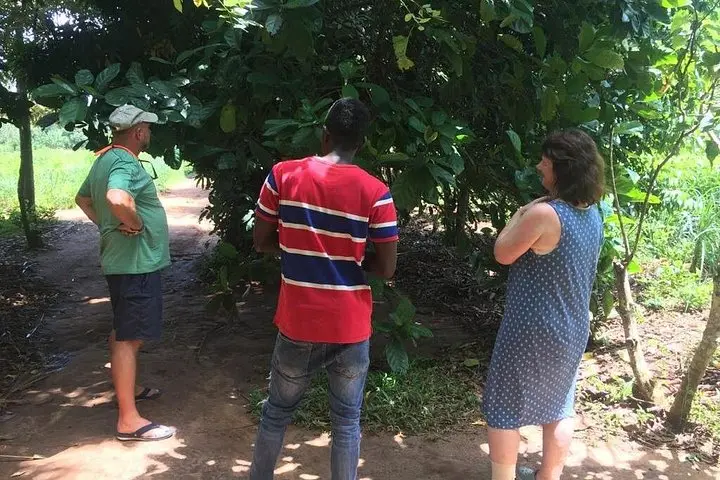
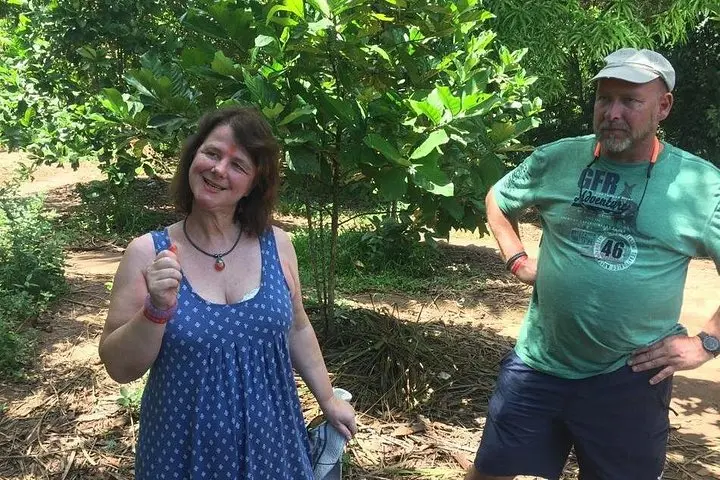
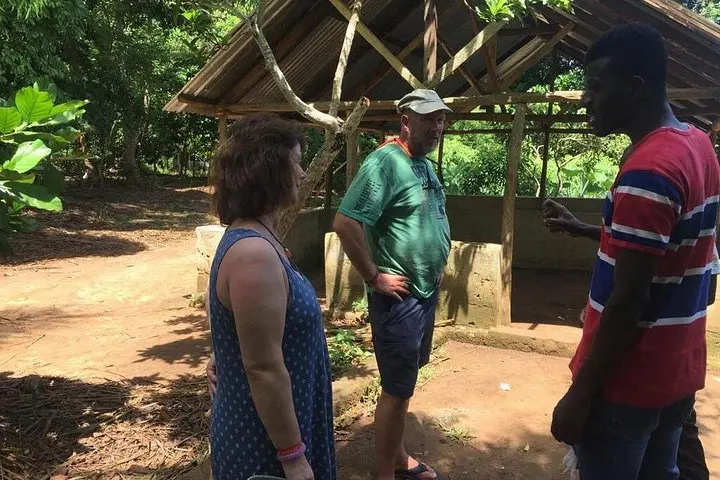
You step out of an air-conditioned minivan into a humid green room: the forest breathes, leaves glisten, and somewhere above a red colobus calls like a loose string of marbles. The Spice Farm smells of clove and cinnamon; a guide snaps a pod and hands it over — the scent is immediate and alive.
You step out of an air-conditioned minivan into a humid green room: the forest breathes, leaves glisten, and somewhere above a red colobus calls like a loose string of marbles. The Spice Farm smells of clove and cinnamon; a guide snaps a pod and hands it over — the scent is immediate and alive.
Zanzibar’s spice story is human and geological. The island sits on uplifted coral and white sand; its soils were shaped by centuries of coastal processes that let clove and nutmeg take root during the 19th-century spice boom. The Jozani area preserves a fragment of lowland forest and mangrove fringe that supports the endemic Zanzibar red colobus and an understory of medicinal plants used in local Swahili traditions.
Culturally, the tour stitches together village life and plantation history: coconut climbers still sing, guides explain herbal uses, and fruit tasted hot from the tree tastes of place. On the mangrove boardwalk, roots grip the shoreline and the tide tests them daily — a living lesson in coastal resilience.
Practical guidance: plan 5–6 hours, with light walking on dirt trails and a short raised boardwalk. Admission to Jozani may not be included; confirm ahead. Wear closed-toe shoes for muddy patches, bring insect repellent and a sun hat, and aim for early morning when monkeys and birds are most active. Bottled water and fruit snacks are typically provided, and private pickup from Stone Town is standard. Respect wildlife distance, follow the guide’s lead, and support local conservation by staying on trails and avoiding single-use plastics.