THE ADVENTURE COLLECTIVE® · Independent discovery and booking for outdoor travel

Walk among clove trees, taste fresh cardamom and learn how Zanzibari spices shaped centuries of trade. This half-day tour combines a guided spice-plant walk with a hands-on cooking demo and a Swahili lunch.
Walk among clove trees, taste fresh cardamom and learn how Zanzibari spices shaped centuries of trade. This half-day tour combines a guided spice-plant walk with a hands-on cooking demo and a Swahili lunch.
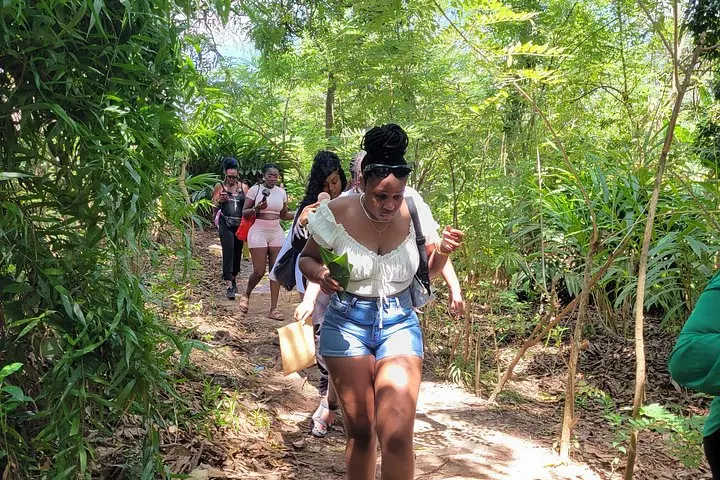
You step off the shaded lane into a heat that smells of citrus, clove and cinnamon — the garden itself seems to breathe spice. Narrow dirt paths thread between towering cloves and glossy cardamom plants; leaves flick like hands as a guide demonstrates how oil is released when pods are crushed. The day moves at a slow, tactile pace: sniffing, tasting, and learning the uses of spices that shaped trade routes across the Indian Ocean.
Verified experiences and guided adventures in the surrounding area.
Operated by COASTLINE TOURS AND TRAVEL · Stone Town, Zanzibar
You step off the shaded lane into a heat that smells of citrus, clove and cinnamon — the garden itself seems to breathe spice. Narrow dirt paths thread between towering cloves and glossy cardamom plants; leaves flick like hands as a guide demonstrates how oil is released when pods are crushed. The day moves at a slow, tactile pace: sniffing, tasting, and learning the uses of spices that shaped trade routes across the Indian Ocean.
Zanzibar’s role in the spice trade stretches back centuries, with Persian, Arab and later Omani traders cultivating cloves and nutmeg that anchored the island’s economy. The volcanic soils and humid coastal climate give these plants the scent and potency locals prize, and farms often double as living classrooms for traditional medicine and cooking techniques.
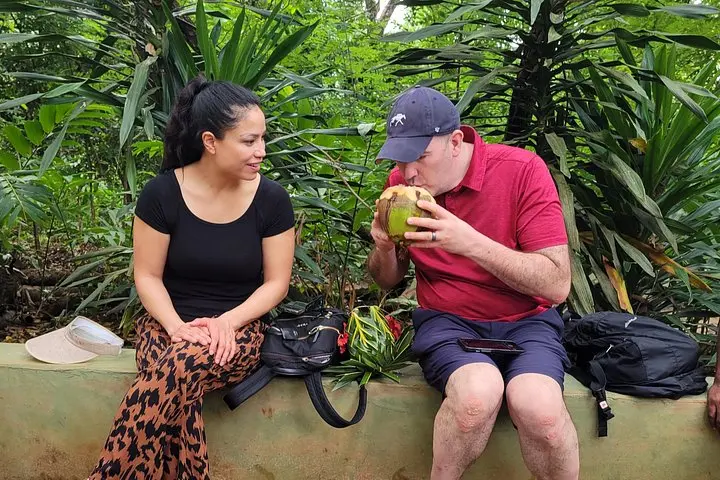
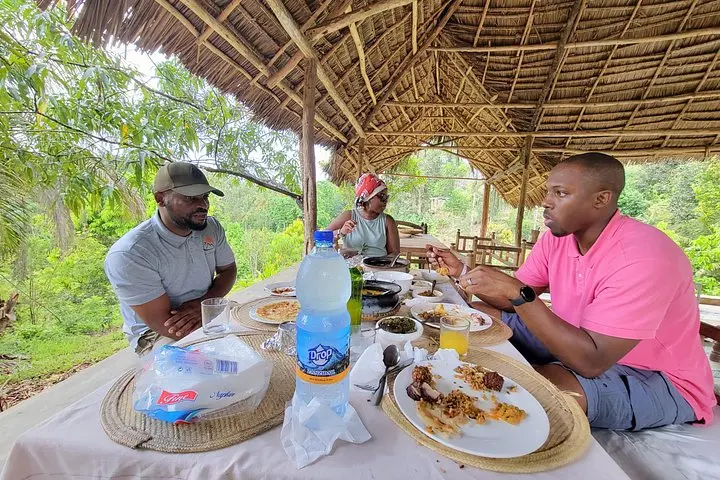
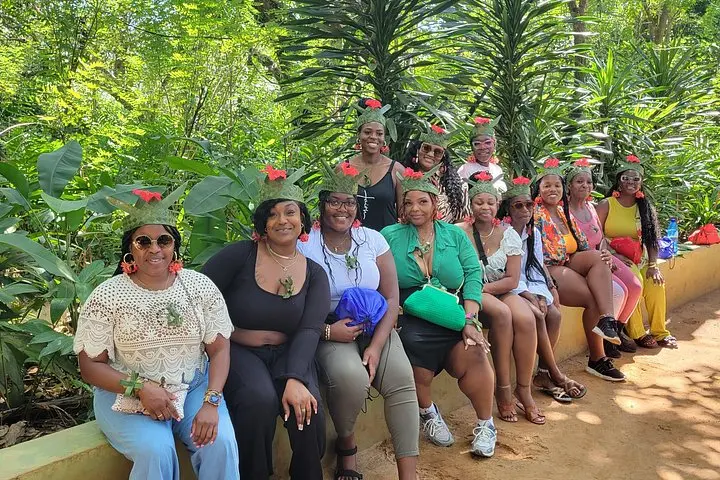
Culturally the tour folds in Swahili hospitality — a cooking demo that turns ground spices into a seafood stew, followed by a generous Swahili lunch prepared with the same ingredients you’ve just sampled. Expect a hands-on moment: locals sometimes crown visitors with coconut fronds in a playful welcome ritual and demonstrate coconut-climbing skills.
Practically, this is a half-day, moderate walk over uneven, sometimes muddy farm tracks; bring sun protection, insect repellent and water. Most tours leave Stone Town mid-morning and return by late afternoon. Small purchases of whole spices support family farms; avoid plastic packaging when possible. For first-timers, linger at the cooking demo and ask about spice-curing practices — they reveal more than recipes, they reveal the island’s history on your plate.
The full experience is about 4–5 hours, including a guided walk through the plantation, a cooking demonstration and a Swahili lunch.
Children with moderate mobility can usually join; the operator notes this tour is not recommended for pregnant travelers due to moderate walking and potential exposure to bites and strong scents.
Yes — most farms sell whole spices, dried herbs and ready-made mixes; buying directly supports local families but check packaging to avoid excess plastic.
Most operators offer pickup and drop-off in Stone Town; confirm the pickup point and any additional transfer fees when booking.
COASTLINE TOURS AND TRAVEL operates guided outdoor trips and adventures with an emphasis on safety, stewardship, and memorable experiences.
You step off the shaded lane into a heat that smells of citrus, clove and cinnamon — the garden itself seems to breathe spice. Narrow dirt paths thread between towering cloves and glossy cardamom plants; leaves flick like hands as a guide demonstrates how oil is released when pods are crushed. The day moves at a slow, tactile pace: sniffing, tasting, and learning the uses of spices that shaped trade routes across the Indian Ocean.
You step off the shaded lane into a heat that smells of citrus, clove and cinnamon — the garden itself seems to breathe spice. Narrow dirt paths thread between towering cloves and glossy cardamom plants; leaves flick like hands as a guide demonstrates how oil is released when pods are crushed. The day moves at a slow, tactile pace: sniffing, tasting, and learning the uses of spices that shaped trade routes across the Indian Ocean.
Zanzibar’s role in the spice trade stretches back centuries, with Persian, Arab and later Omani traders cultivating cloves and nutmeg that anchored the island’s economy. The volcanic soils and humid coastal climate give these plants the scent and potency locals prize, and farms often double as living classrooms for traditional medicine and cooking techniques.
Culturally the tour folds in Swahili hospitality — a cooking demo that turns ground spices into a seafood stew, followed by a generous Swahili lunch prepared with the same ingredients you’ve just sampled. Expect a hands-on moment: locals sometimes crown visitors with coconut fronds in a playful welcome ritual and demonstrate coconut-climbing skills.
Practically, this is a half-day, moderate walk over uneven, sometimes muddy farm tracks; bring sun protection, insect repellent and water. Most tours leave Stone Town mid-morning and return by late afternoon. Small purchases of whole spices support family farms; avoid plastic packaging when possible. For first-timers, linger at the cooking demo and ask about spice-curing practices — they reveal more than recipes, they reveal the island’s history on your plate.