THE ADVENTURE COLLECTIVE® · Independent discovery and booking for outdoor travel

Walk through working clove groves and learn how Zanzibar’s spices are grown, processed and sold on this private 2–3 hour tour from Stone Town. Expect hands-on demonstrations, local stories, and chances to buy small-batch spices and crafts directly from producers.
Walk through working clove groves and learn how Zanzibar’s spices are grown, processed and sold on this private 2–3 hour tour from Stone Town. Expect hands-on demonstrations, local stories, and chances to buy small-batch spices and crafts directly from producers.
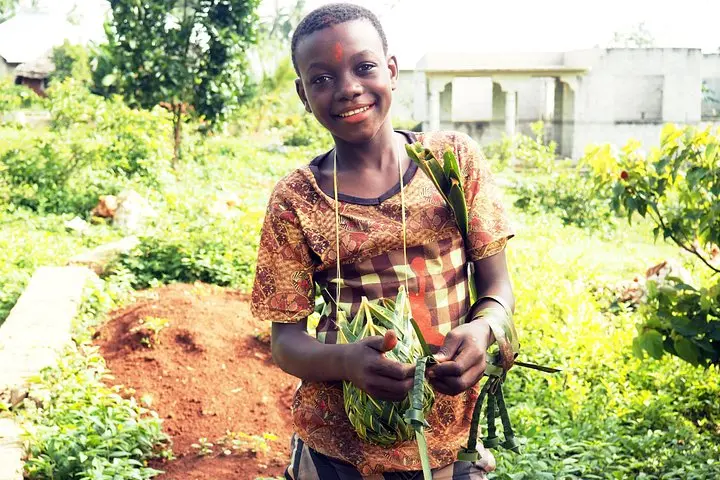
A humid breeze carries the sharp sweetness of cloves and the citrusy lift of lemongrass as the guide leads the group down a narrow trail between cultivated beds.
Verified experiences and guided adventures in the surrounding area.
Operated by We Cab Tours and Safaris · Stone Town, Zanzibar
A humid breeze carries the sharp sweetness of cloves and the citrusy lift of lemongrass as the guide leads the group down a narrow trail between cultivated beds.
On this private 2–3 hour circuit from Stone Town, visitors walk through working spice plots where farmers prune, harvest and demonstrate processing of cloves, cinnamon, nutmeg and vanilla. The experience is tactile: you crush a freshly cut pod between thumb and forefinger, the oil releasing a clean, bright scent that speaks to centuries of trade.
Zanzibar’s role as “Spice Island” grew in the 19th century, when Arab and European demand turned cloves into a major export and reshaped local agriculture and settlement patterns. Geologically the island’s coral limestone soil and coastal climate favor aromatic trees and bulbs; culturally the farms reflect Swahili agricultural traditions fused with Omani and colonial-era commerce.
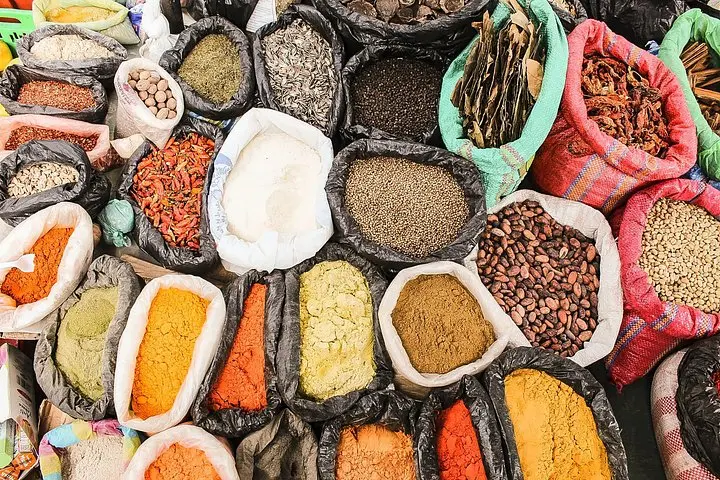
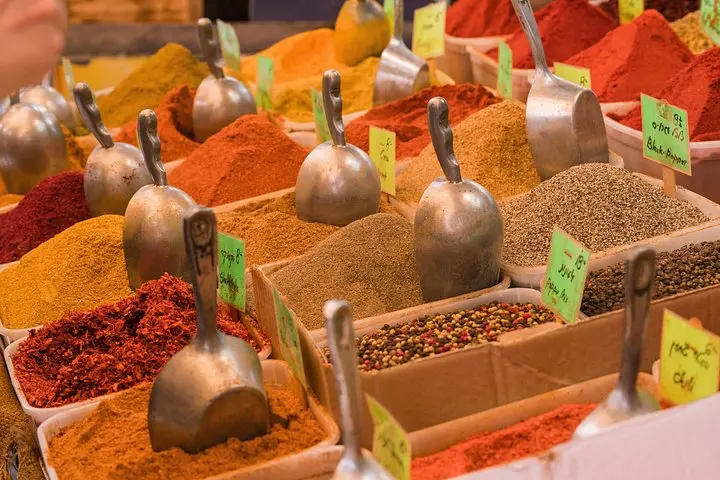
Practical details matter: tours commonly include hotel pickup in Stone Town, an English-speaking guide, bottled water and transport in an air-conditioned vehicle. Expect uneven dirt paths, occasional mud after rain, and opportunities to buy small-batch spices and handmade crafts directly from producers.
Plan for sun and mosquitoes—short sleeves are fine, but light long layers preserve skin and offer modesty in village settings. Bring cash for purchases, confirm lunch plans ahead if you want to sample local cuisine, and allow time afterward to browse Stone Town’s narrow alleys for more culinary souvenirs.
Pickups are typically arranged from Stone Town hotels; the tour returns you to your pickup point by private vehicle.
Demonstrations are included, but purchases of spices or crafts are extra—vendors accept cash and sometimes cards in Stone Town.
Yes—activity is easy; infants must sit on a guardian’s lap in vehicles and young children should be supervised around farming equipment.
Lunch is optional and available at a recommended local restaurant for an extra fee; confirm arrangements at least one day before the tour.
We Cab Tours and Safaris operates guided outdoor trips and adventures with an emphasis on safety, stewardship, and memorable experiences.

A humid breeze carries the sharp sweetness of cloves and the citrusy lift of lemongrass as the guide leads the group down a narrow trail between cultivated beds.
A humid breeze carries the sharp sweetness of cloves and the citrusy lift of lemongrass as the guide leads the group down a narrow trail between cultivated beds.
On this private 2–3 hour circuit from Stone Town, visitors walk through working spice plots where farmers prune, harvest and demonstrate processing of cloves, cinnamon, nutmeg and vanilla. The experience is tactile: you crush a freshly cut pod between thumb and forefinger, the oil releasing a clean, bright scent that speaks to centuries of trade.
Zanzibar’s role as “Spice Island” grew in the 19th century, when Arab and European demand turned cloves into a major export and reshaped local agriculture and settlement patterns. Geologically the island’s coral limestone soil and coastal climate favor aromatic trees and bulbs; culturally the farms reflect Swahili agricultural traditions fused with Omani and colonial-era commerce.
Practical details matter: tours commonly include hotel pickup in Stone Town, an English-speaking guide, bottled water and transport in an air-conditioned vehicle. Expect uneven dirt paths, occasional mud after rain, and opportunities to buy small-batch spices and handmade crafts directly from producers.
Plan for sun and mosquitoes—short sleeves are fine, but light long layers preserve skin and offer modesty in village settings. Bring cash for purchases, confirm lunch plans ahead if you want to sample local cuisine, and allow time afterward to browse Stone Town’s narrow alleys for more culinary souvenirs.