THE ADVENTURE COLLECTIVE® · Independent discovery and booking for outdoor travel

Experience Zanzibar’s aromatic Spice Island up close: touch, taste and smell cloves, cinnamon and vanilla on a guided 3-hour farm tour that includes spice tea, lunch and a visit to the historic Kidichi Persian Baths. Perfect for curious travelers wanting hands-on cultural insight.
Experience Zanzibar’s aromatic Spice Island up close: touch, taste and smell cloves, cinnamon and vanilla on a guided 3-hour farm tour that includes spice tea, lunch and a visit to the historic Kidichi Persian Baths. Perfect for curious travelers wanting hands-on cultural insight.
Stepping off the coach, the air hits you first — a warm, layered perfume of cloves, cinnamon and crushed vanilla pods that seems to draw you deeper into the farm paths.
Verified experiences and guided adventures in the surrounding area.
Operated by Noun Travel · Zanzibar City, Zanzibar
Stepping off the coach, the air hits you first — a warm, layered perfume of cloves, cinnamon and crushed vanilla pods that seems to draw you deeper into the farm paths.
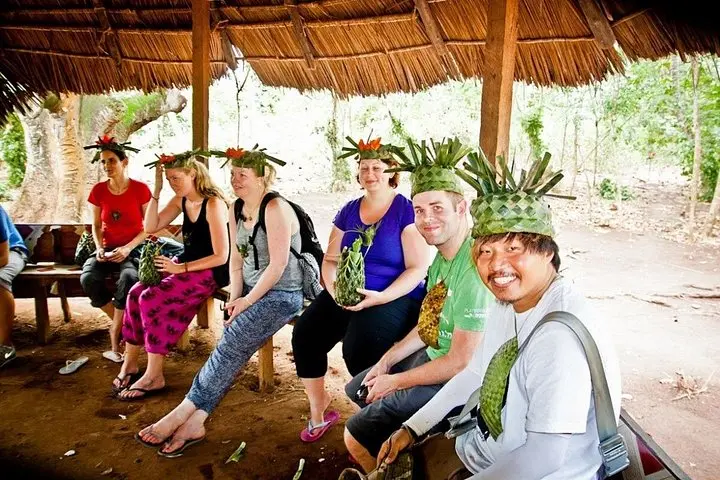
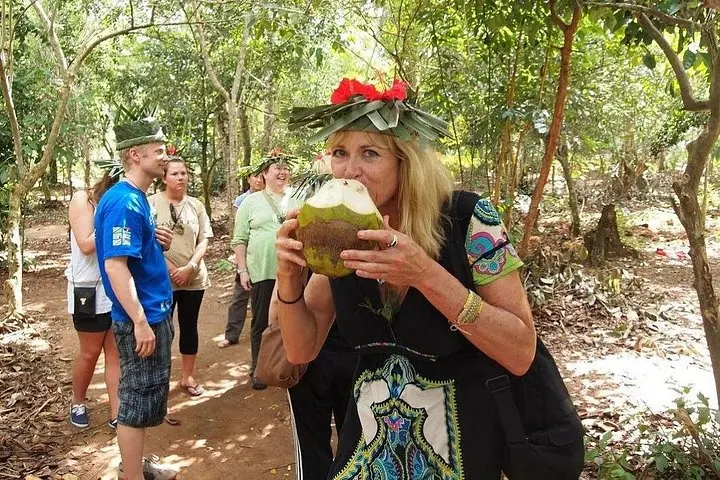
This three-hour Spice Market Discovery blends sensory exploration with tactile learning: you’ll smell cardamom pods, snap a cinnamon twig between your fingers, sample tropical fruit and sip hot spiced tea while local guides — often called the “spice boys” — demonstrate traditional uses. A brief stop at the Kidichi Persian Baths threads history into the day; built in the 19th century during Sultan Said bin Sultan’s era, the baths and nearby Mtoni Palace ruins offer a glimpse of Zanzibar’s Omani and Persian connections.
Geologically, Unguja is a coral island; soils vary in pockets where traditional planting thrives, creating dense, aromatic plots that contrast with the island’s coastal limestone and mangrove fringes. Culturally, the tour highlights Swahili agricultural know-how and smallholder practices rather than commercial plantations.
Practical guidance: wear closed-toe shoes for uneven paths and short climbs, bring sun protection and a refillable water bottle, and carry a few Tanzania shillings for snacks or local crafts. The coconut-palm climb is optional and conducted under guide supervision; it’s playful but not required. Tours include lunch and hotel transfer options with air-conditioned vehicles if selected; plan for light walking over roughly 1–2 kilometers of farm trails and brief paved sections at the baths.
Timing a morning or late-afternoon slot reduces midday heat and maximizes scent complexity. Respect plants when sampling and ask before photographing locals — the experience is as much cultural exchange as it is botanical discovery.
The tour lasts about three hours and typically includes guided spice farm walks, spice tea tasting, lunch, a visit to the Kidichi Persian Baths, and hotel pickup/drop-off if that option is selected.
No, climbing the coconut palm is optional and demonstrated with guide supervision; participants choose whether to try it.
Yes; the activity is physically easy and suitable for families—infants are required to sit on an adult’s lap during transfers if applicable.
Wear closed-toe shoes, sun protection, and bring a refillable water bottle and small local currency for souvenirs or tips.
Noun Travel operates guided outdoor trips and adventures with an emphasis on safety, stewardship, and memorable experiences.


Stepping off the coach, the air hits you first — a warm, layered perfume of cloves, cinnamon and crushed vanilla pods that seems to draw you deeper into the farm paths.
Stepping off the coach, the air hits you first — a warm, layered perfume of cloves, cinnamon and crushed vanilla pods that seems to draw you deeper into the farm paths.
This three-hour Spice Market Discovery blends sensory exploration with tactile learning: you’ll smell cardamom pods, snap a cinnamon twig between your fingers, sample tropical fruit and sip hot spiced tea while local guides — often called the “spice boys” — demonstrate traditional uses. A brief stop at the Kidichi Persian Baths threads history into the day; built in the 19th century during Sultan Said bin Sultan’s era, the baths and nearby Mtoni Palace ruins offer a glimpse of Zanzibar’s Omani and Persian connections.
Geologically, Unguja is a coral island; soils vary in pockets where traditional planting thrives, creating dense, aromatic plots that contrast with the island’s coastal limestone and mangrove fringes. Culturally, the tour highlights Swahili agricultural know-how and smallholder practices rather than commercial plantations.
Practical guidance: wear closed-toe shoes for uneven paths and short climbs, bring sun protection and a refillable water bottle, and carry a few Tanzania shillings for snacks or local crafts. The coconut-palm climb is optional and conducted under guide supervision; it’s playful but not required. Tours include lunch and hotel transfer options with air-conditioned vehicles if selected; plan for light walking over roughly 1–2 kilometers of farm trails and brief paved sections at the baths.
Timing a morning or late-afternoon slot reduces midday heat and maximizes scent complexity. Respect plants when sampling and ask before photographing locals — the experience is as much cultural exchange as it is botanical discovery.