THE ADVENTURE COLLECTIVE® · Independent discovery and booking for outdoor travel

Step inland from Stone Town to a private spice farm where cinnamon, cloves and turmeric announce themselves to the senses. This half-day tour combines guided spice walks with hands-on craft demonstrations and local snacks.
Step inland from Stone Town to a private spice farm where cinnamon, cloves and turmeric announce themselves to the senses. This half-day tour combines guided spice walks with hands-on craft demonstrations and local snacks.
The air shifts as you leave Stone Town’s coral walls and the ocean’s salt gives way to an inland green that smells of cinnamon and clove. On this half-day private tour you step into spice groves where cardamom pods cling like tiny lanterns, and ginger roots push through humus that has been warmed by equatorial sun.
Verified experiences and guided adventures in the surrounding area.
Operated by Exotic Tours & Safaris LTD · Zanzibar City, Zanzibar
The air shifts as you leave Stone Town’s coral walls and the ocean’s salt gives way to an inland green that smells of cinnamon and clove. On this half-day private tour you step into spice groves where cardamom pods cling like tiny lanterns, and ginger roots push through humus that has been warmed by equatorial sun.
Zanzibar’s position on Indian Ocean trade routes made it a global spice crossroads: Arab and European traders shaped the islands’ culture and architecture while local farmers kept the knowledge of cultivation and cure. Geologically the island is uplifted coral with thin, fertile soils in pockets—places where spice plants flourish and tropical fruit trees rise above understory shrubs.
The visit blends sensory history with living craft: guided walks through planted rows, tasting raw spices, and short workshops—mat weaving, henna application, and simple carving—led by local artisans who illustrate daily life and practice. Seasonal fruits may appear on the path—jackfruit, mangosteen, or breadfruit—depending on the month.
Practically, expect uneven, shaded dirt tracks, two hours on the farm within a four-hour round trip that includes hotel pickup in an air-conditioned vehicle. Wear closed-toe shoes, sun protection, and bring water; insect repellent is useful in damp months. The tour is family-friendly but not suited to visitors with serious back or heart conditions; ask about dietary needs if lunch or snacks are included.
Cultural courtesy matters: ask before photographing people, remove shoes for indoor family spaces, and consider bringing small local-currency notes for guides and artisans. The experience is compact but vivid—an accessible window into Zanzibar’s spice heritage and the island’s enduring relationship with the plants that shaped its history.
The tour is about 4 hours total, including hotel pickup and return; the farm visit portion runs roughly two hours.
Snacks are typically provided and lunch can be arranged on request—notify the operator of allergies ahead of time.
Yes. This listing specifies a private tour and typically includes transportation in an air-conditioned vehicle.
Yes, it’s family-friendly with light walking, but it’s not recommended for visitors with serious back or cardiovascular conditions.
Exotic Tours & Safaris LTD operates guided outdoor trips and adventures with an emphasis on safety, stewardship, and memorable experiences.
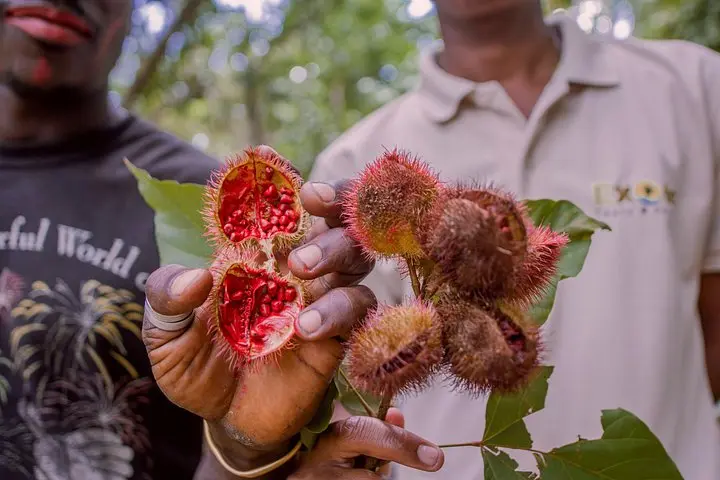
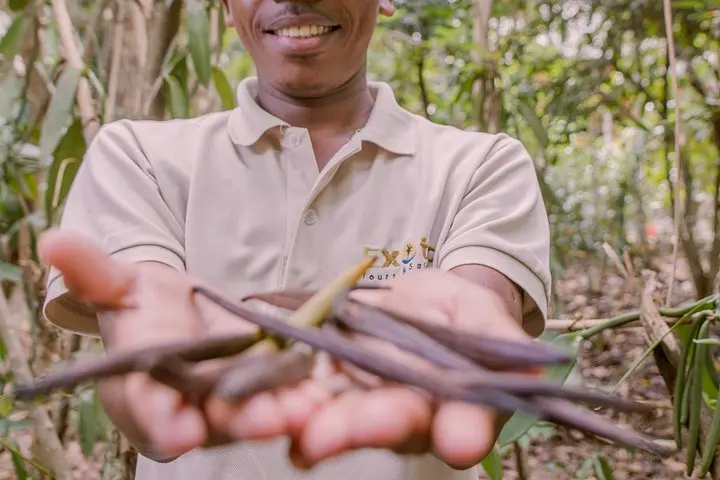
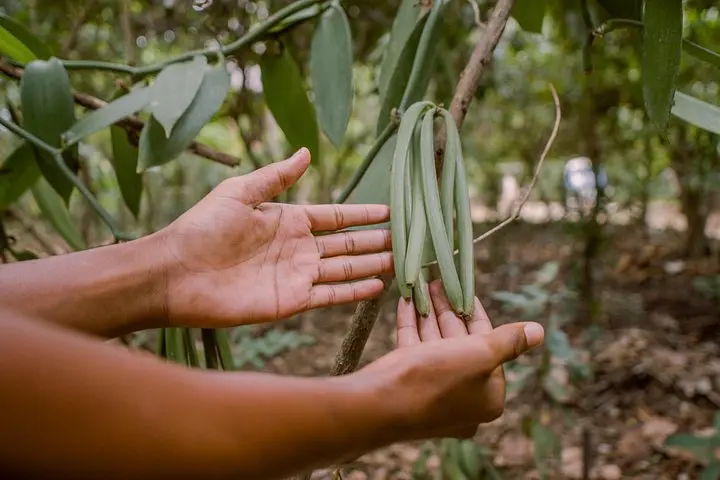
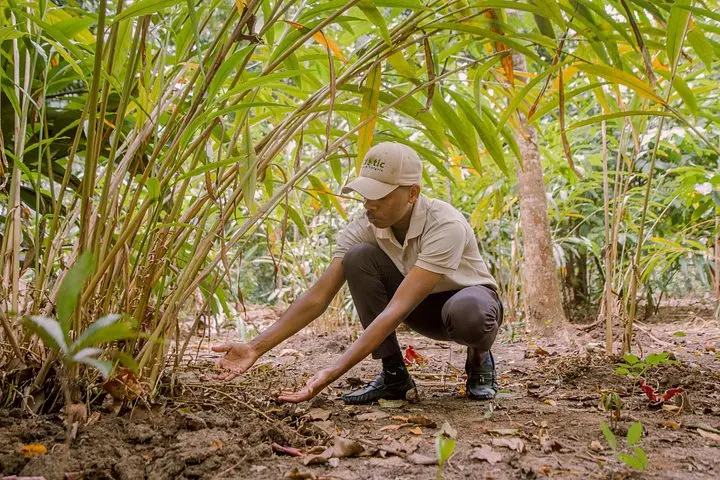
The air shifts as you leave Stone Town’s coral walls and the ocean’s salt gives way to an inland green that smells of cinnamon and clove. On this half-day private tour you step into spice groves where cardamom pods cling like tiny lanterns, and ginger roots push through humus that has been warmed by equatorial sun.
The air shifts as you leave Stone Town’s coral walls and the ocean’s salt gives way to an inland green that smells of cinnamon and clove. On this half-day private tour you step into spice groves where cardamom pods cling like tiny lanterns, and ginger roots push through humus that has been warmed by equatorial sun.
Zanzibar’s position on Indian Ocean trade routes made it a global spice crossroads: Arab and European traders shaped the islands’ culture and architecture while local farmers kept the knowledge of cultivation and cure. Geologically the island is uplifted coral with thin, fertile soils in pockets—places where spice plants flourish and tropical fruit trees rise above understory shrubs.
The visit blends sensory history with living craft: guided walks through planted rows, tasting raw spices, and short workshops—mat weaving, henna application, and simple carving—led by local artisans who illustrate daily life and practice. Seasonal fruits may appear on the path—jackfruit, mangosteen, or breadfruit—depending on the month.
Practically, expect uneven, shaded dirt tracks, two hours on the farm within a four-hour round trip that includes hotel pickup in an air-conditioned vehicle. Wear closed-toe shoes, sun protection, and bring water; insect repellent is useful in damp months. The tour is family-friendly but not suited to visitors with serious back or heart conditions; ask about dietary needs if lunch or snacks are included.
Cultural courtesy matters: ask before photographing people, remove shoes for indoor family spaces, and consider bringing small local-currency notes for guides and artisans. The experience is compact but vivid—an accessible window into Zanzibar’s spice heritage and the island’s enduring relationship with the plants that shaped its history.