THE ADVENTURE COLLECTIVE® · Independent discovery and booking for outdoor travel

Spend a morning in Zanzibar's spice gardens then cook a local meal using the island's signature flavors. This six-hour private tour combines hands-on instruction with cultural and agricultural context.
Spend a morning in Zanzibar's spice gardens then cook a local meal using the island's signature flavors. This six-hour private tour combines hands-on instruction with cultural and agricultural context.
Dawn filters through clove and cinnamon trees as participants step off an air-conditioned van into a working spice garden — the scent of citrus and earth rises, bold and insistent. The guide walks the group between rows of nutmeg and cardamom, letting leaves brush hands and inviting a squeeze of fresh lime to release its oils. The day moves from field to kitchen: learning to prepare spice rice, grill fish or chicken over charcoal, and finish plates with a coconut-based sauce that ties the island's flavors together.
Verified experiences and guided adventures in the surrounding area.
Operated by Coralsites tours & Safaris · Stone Town, Zanzibar
Dawn filters through clove and cinnamon trees as participants step off an air-conditioned van into a working spice garden — the scent of citrus and earth rises, bold and insistent. The guide walks the group between rows of nutmeg and cardamom, letting leaves brush hands and inviting a squeeze of fresh lime to release its oils. The day moves from field to kitchen: learning to prepare spice rice, grill fish or chicken over charcoal, and finish plates with a coconut-based sauce that ties the island's flavors together.
Zanzibar's role in the global spice trade accelerated in the 19th century under Sultanate influence, when cloves became a cash crop that reshaped land use and culture. Geologically, Unguja is coral limestone: shallow soils, swamps and mangroves feed the small-scale farms you visit. Culturally, the cooking blends African, Arab and South Asian techniques — expect hands-on instruction, stories about family recipes, and local markets brimming with produce.
Practical details are straightforward: plan for a roughly six-hour outing with private transport and lunch provided. The tour is rated easy and suitable for most fitness levels — paths are short but can be muddy after rain. Bring sun protection, comfortable closed-toe shoes, and a small amount of cash for souvenirs or tipping. If you have dietary restrictions or allergies, notify the operator ahead of time. For photographers, aim for morning light in the garden and late-afternoon streets in Stone Town.
This experience combines sensory learning with cultural context: it's a food lesson and a short, grounded exploration of Zanzibar's agricultural identity.
The experience runs about six hours, typically including pickup, spice garden visit, cooking class, and lunch.
Yes — private, air-conditioned transportation from Stone Town is included in the booking.
Yes; inform the operator when booking so the menu can be adapted for allergies or vegetarian needs.
Generally yes — the activity is family-friendly, though children should be supervised around cooking fires and sharp utensils.
Coralsites tours & Safaris operates guided outdoor trips and adventures with an emphasis on safety, stewardship, and memorable experiences.
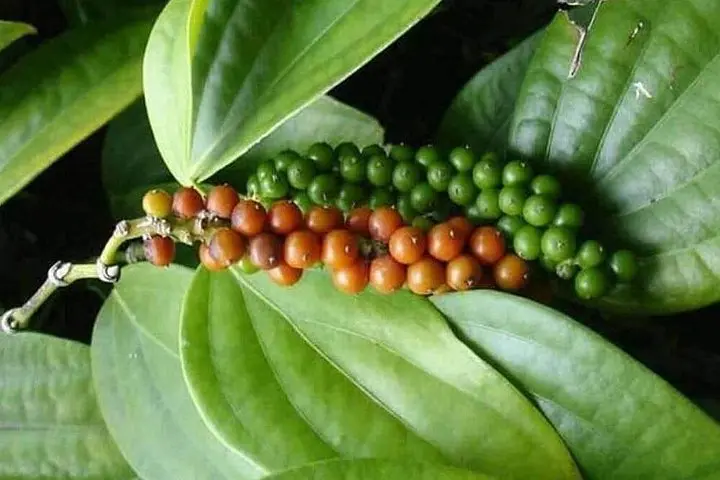
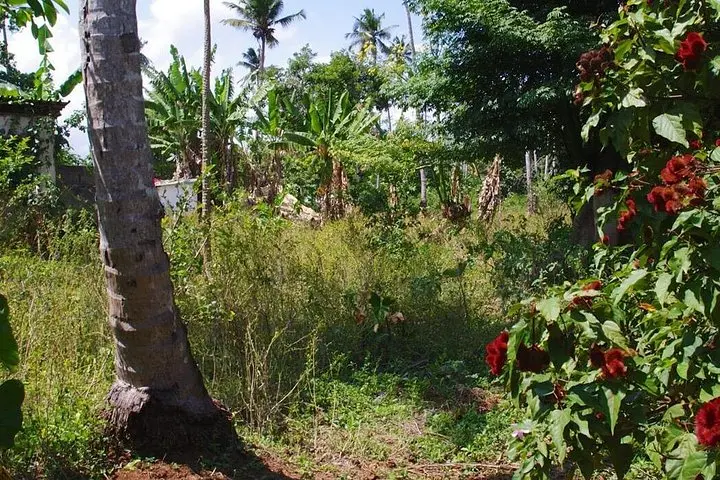
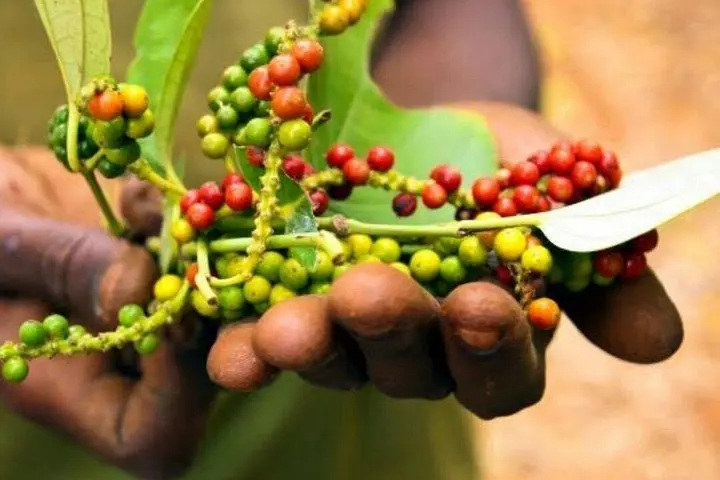
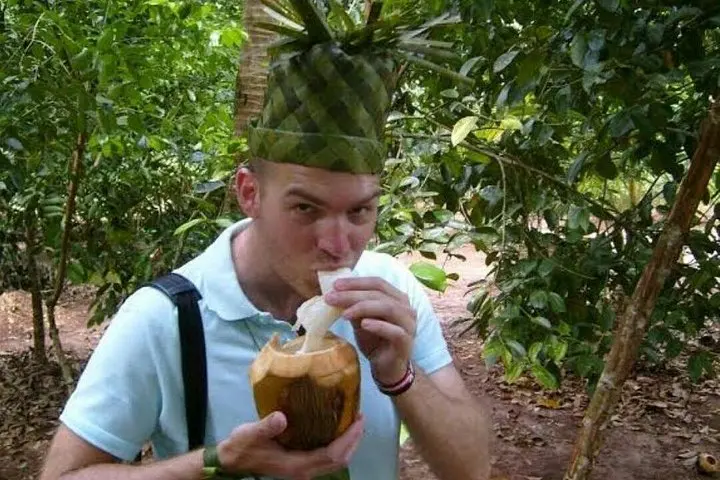
Dawn filters through clove and cinnamon trees as participants step off an air-conditioned van into a working spice garden — the scent of citrus and earth rises, bold and insistent. The guide walks the group between rows of nutmeg and cardamom, letting leaves brush hands and inviting a squeeze of fresh lime to release its oils. The day moves from field to kitchen: learning to prepare spice rice, grill fish or chicken over charcoal, and finish plates with a coconut-based sauce that ties the island's flavors together.
Dawn filters through clove and cinnamon trees as participants step off an air-conditioned van into a working spice garden — the scent of citrus and earth rises, bold and insistent. The guide walks the group between rows of nutmeg and cardamom, letting leaves brush hands and inviting a squeeze of fresh lime to release its oils. The day moves from field to kitchen: learning to prepare spice rice, grill fish or chicken over charcoal, and finish plates with a coconut-based sauce that ties the island's flavors together.
Zanzibar's role in the global spice trade accelerated in the 19th century under Sultanate influence, when cloves became a cash crop that reshaped land use and culture. Geologically, Unguja is coral limestone: shallow soils, swamps and mangroves feed the small-scale farms you visit. Culturally, the cooking blends African, Arab and South Asian techniques — expect hands-on instruction, stories about family recipes, and local markets brimming with produce.
Practical details are straightforward: plan for a roughly six-hour outing with private transport and lunch provided. The tour is rated easy and suitable for most fitness levels — paths are short but can be muddy after rain. Bring sun protection, comfortable closed-toe shoes, and a small amount of cash for souvenirs or tipping. If you have dietary restrictions or allergies, notify the operator ahead of time. For photographers, aim for morning light in the garden and late-afternoon streets in Stone Town.
This experience combines sensory learning with cultural context: it's a food lesson and a short, grounded exploration of Zanzibar's agricultural identity.