THE ADVENTURE COLLECTIVE® · Independent discovery and booking for outdoor travel

Walk among clove trees, crush vanilla pods, and taste tropical fruit on a guided spice farm tour near Stone Town. This 3–5 hour private experience blends history, hands-on tasting, and local food with practical guidance for visitors.
Walk among clove trees, crush vanilla pods, and taste tropical fruit on a guided spice farm tour near Stone Town. This 3–5 hour private experience blends history, hands-on tasting, and local food with practical guidance for visitors.
You step off the minibus and the air hits you first—warm, humid and full of spice: sharp cloves, heady vanilla and the citrus brightness of crushed lemon grass. A narrow path threads through trees heavy with pods and vines, and the guide hands you a leaf to crush; aroma rises like a dare from the plant itself.
Verified experiences and guided adventures in the surrounding area.
Operated by Bohobe Travels · Stone Town, Zanzibar
You step off the minibus and the air hits you first—warm, humid and full of spice: sharp cloves, heady vanilla and the citrus brightness of crushed lemon grass. A narrow path threads through trees heavy with pods and vines, and the guide hands you a leaf to crush; aroma rises like a dare from the plant itself.
Zanzibar’s spice trade shaped its economy and culture for centuries. Cloves, in particular, underpinned a late-19th-century boom that connected this island to traders across the Indian Ocean and beyond. Geologically the island is a coral plateau; soils are shallow but fertile in places where organic matter accumulates, allowing spice trees and tropical fruit to thrive. Cultural threads here blend Swahili traditions with Omani and Indian culinary influences—expect stories about household remedies alongside recipes for pilau and spiced teas.
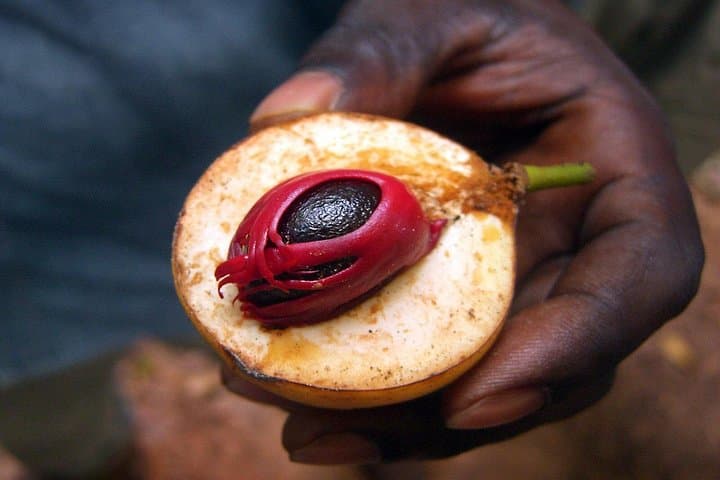
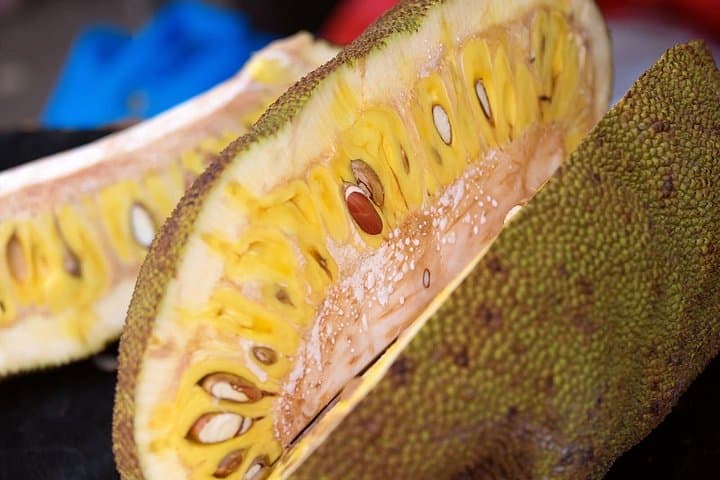
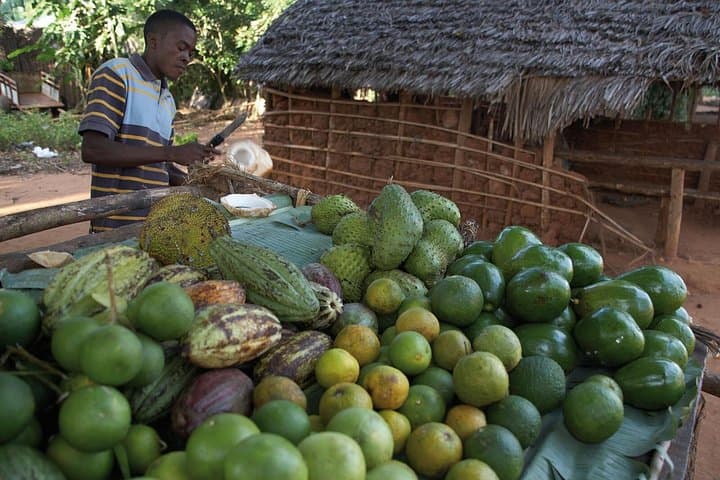
On the farm you’ll taste ripe mango and jackfruit, watch cinnamon bark stripped from a trunk, and learn how vanilla beans are cured. Guides often demonstrate traditional uses—medicinal, aromatic and culinary—while village kitchens may serve a simple Swahili lunch.
Practical guidance: wear closed-toe shoes for uneven farm tracks, bring mosquito repellent and a refillable water bottle, and carry some local cash for small purchases. Tours typically last 3–5 hours and are accessible to most fitness levels, with wheelchair-accessible sections noted. Morning visits are cooler and the scents are strongest just after a light rain. The experience is sensory and low-impact—listen, taste, and buy from local producers to keep benefits on the island.
The tour runs approximately 3–5 hours (180–300 minutes) depending on itinerary and group; many operators offer private options.
Yes—most spice farm tours include tasting of seasonal tropical fruits, spiced tea, and demonstrations with small samples.
Many spice farms have accessible paths and note wheelchair accessibility, but accessibility can vary—confirm pickup and paths when booking.
Yes; most farms have small stalls selling fresh spices, essential oils, and packaged blends—cash is commonly preferred.
Bohobe Travels operates guided outdoor trips and adventures with an emphasis on safety, stewardship, and memorable experiences.
You step off the minibus and the air hits you first—warm, humid and full of spice: sharp cloves, heady vanilla and the citrus brightness of crushed lemon grass. A narrow path threads through trees heavy with pods and vines, and the guide hands you a leaf to crush; aroma rises like a dare from the plant itself.
You step off the minibus and the air hits you first—warm, humid and full of spice: sharp cloves, heady vanilla and the citrus brightness of crushed lemon grass. A narrow path threads through trees heavy with pods and vines, and the guide hands you a leaf to crush; aroma rises like a dare from the plant itself.
Zanzibar’s spice trade shaped its economy and culture for centuries. Cloves, in particular, underpinned a late-19th-century boom that connected this island to traders across the Indian Ocean and beyond. Geologically the island is a coral plateau; soils are shallow but fertile in places where organic matter accumulates, allowing spice trees and tropical fruit to thrive. Cultural threads here blend Swahili traditions with Omani and Indian culinary influences—expect stories about household remedies alongside recipes for pilau and spiced teas.
On the farm you’ll taste ripe mango and jackfruit, watch cinnamon bark stripped from a trunk, and learn how vanilla beans are cured. Guides often demonstrate traditional uses—medicinal, aromatic and culinary—while village kitchens may serve a simple Swahili lunch.
Practical guidance: wear closed-toe shoes for uneven farm tracks, bring mosquito repellent and a refillable water bottle, and carry some local cash for small purchases. Tours typically last 3–5 hours and are accessible to most fitness levels, with wheelchair-accessible sections noted. Morning visits are cooler and the scents are strongest just after a light rain. The experience is sensory and low-impact—listen, taste, and buy from local producers to keep benefits on the island.