THE ADVENTURE COLLECTIVE® · Independent discovery and booking for outdoor travel

Walk through spice groves, taste raw cloves and vanilla, then turn those flavors into a home-cooked Zanzibari lunch. This half-day private tour blends plantation history with a practical cooking class near Stone Town.
Walk through spice groves, taste raw cloves and vanilla, then turn those flavors into a home-cooked Zanzibari lunch. This half-day private tour blends plantation history with a practical cooking class near Stone Town.
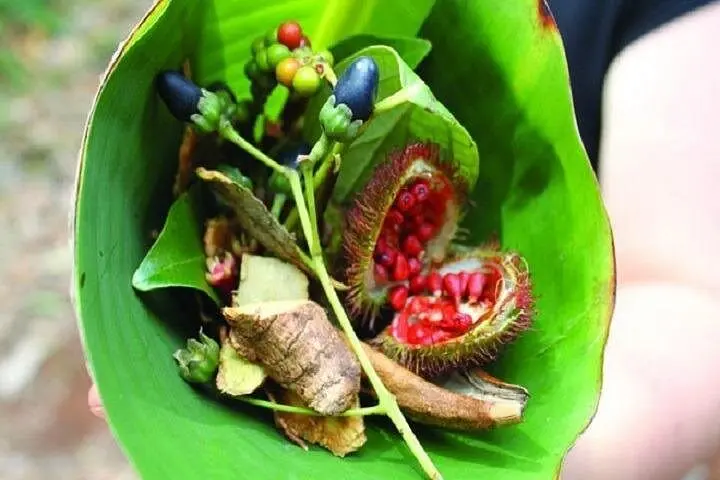
You step off the minivan into humid air that smells like citrus and crushed clove; a narrow path leads between groves where vanilla vines climb alongside cinnamon trunks and turmeric roots color the soil. The guide lifts a leaf and the scent opens—a sharp, peppery note that seems to tug at your curiosity.
Verified experiences and guided adventures in the surrounding area.
Operated by Zan Archipelago Tours & Safaris · Stone Town, Zanzibar
You step off the minivan into humid air that smells like citrus and crushed clove; a narrow path leads between groves where vanilla vines climb alongside cinnamon trunks and turmeric roots color the soil. The guide lifts a leaf and the scent opens—a sharp, peppery note that seems to tug at your curiosity.
This part of Unguja sits on land shaped by coral uplift and coastal alluvial soil, ideal for spice cultivation introduced and expanded during Omani and later European trade eras. Cloves, once the island’s dominant cash crop, still define local kitchens and markets, while smallholder farms preserve varieties and cultivation methods passed down through generations.
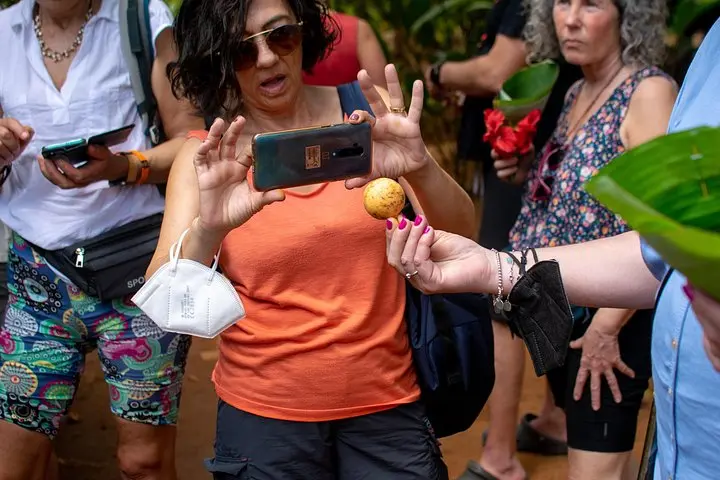
The experience combines a guided plantation walk with hands-on cooking: you taste raw nutmeg, watch ginger steam into chai, then learn to build classic Zanzibari dishes—pilau, coconut curry—using the very spices you just handled. The day threads cultural context with practical skills; the guide explains uses, medicinal lore, and where to buy responsibly.
Practical notes: the tour runs about six hours with hotel pickup in Stone Town; expect light walking on uneven, sometimes muddy paths and shaded resting spots. Wear closed-toe shoes, bring insect repellent, and carry a refillable bottle—local water is provided during the meal but tap water should be avoided. Morning departures dodge midday heat and often deliver fresher fruit and more active aromas.
This is a sensory, low-impact outing: cook, sample, and take home spices while supporting local families who keep Zanzibar’s flavor traditions alive.
Yes—pickup and drop-off around Stone Town are included; specify your hotel at booking.
Guides can adjust the cooking class for vegetarians and common allergies if informed in advance.
Yes—this activity is family-friendly, though supervision is recommended during cooking and near hot stoves.
Most guides speak English; some speak Italian, French, or Swahili—confirm language needs when booking.
Zan Archipelago Tours & Safaris operates guided outdoor trips and adventures with an emphasis on safety, stewardship, and memorable experiences.
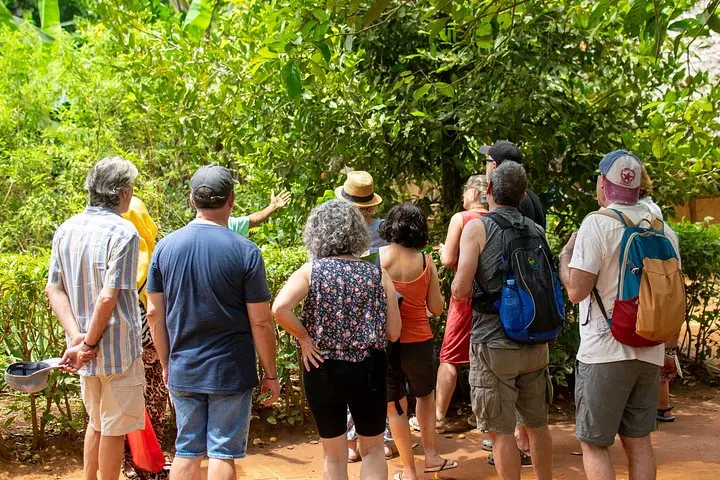
You step off the minivan into humid air that smells like citrus and crushed clove; a narrow path leads between groves where vanilla vines climb alongside cinnamon trunks and turmeric roots color the soil. The guide lifts a leaf and the scent opens—a sharp, peppery note that seems to tug at your curiosity.
You step off the minivan into humid air that smells like citrus and crushed clove; a narrow path leads between groves where vanilla vines climb alongside cinnamon trunks and turmeric roots color the soil. The guide lifts a leaf and the scent opens—a sharp, peppery note that seems to tug at your curiosity.
This part of Unguja sits on land shaped by coral uplift and coastal alluvial soil, ideal for spice cultivation introduced and expanded during Omani and later European trade eras. Cloves, once the island’s dominant cash crop, still define local kitchens and markets, while smallholder farms preserve varieties and cultivation methods passed down through generations.
The experience combines a guided plantation walk with hands-on cooking: you taste raw nutmeg, watch ginger steam into chai, then learn to build classic Zanzibari dishes—pilau, coconut curry—using the very spices you just handled. The day threads cultural context with practical skills; the guide explains uses, medicinal lore, and where to buy responsibly.
Practical notes: the tour runs about six hours with hotel pickup in Stone Town; expect light walking on uneven, sometimes muddy paths and shaded resting spots. Wear closed-toe shoes, bring insect repellent, and carry a refillable bottle—local water is provided during the meal but tap water should be avoided. Morning departures dodge midday heat and often deliver fresher fruit and more active aromas.
This is a sensory, low-impact outing: cook, sample, and take home spices while supporting local families who keep Zanzibar’s flavor traditions alive.