THE ADVENTURE COLLECTIVE® · Independent discovery and booking for outdoor travel

Walk the fragrant plots where cloves, vanilla and cinnamon grow, taste tropical fruits, and learn the island’s spice history on a compact 3‑hour tour from Stone Town. Practical, sensory, and gently paced for most travelers.
Walk the fragrant plots where cloves, vanilla and cinnamon grow, taste tropical fruits, and learn the island’s spice history on a compact 3‑hour tour from Stone Town. Practical, sensory, and gently paced for most travelers.
You step off the air‑conditioned van into a wet, warm inhale of earth and spice—the scent of cloves sharp, vanilla soft and sweet, turmeric dusting the breeze. A low canopy of palms and creepers frames a narrow dirt track; your guide, laughing, hands you a slice of raw ginger to taste and dares you to try climbing a coconut tree as villagers go about daily chores nearby.
Verified experiences and guided adventures in the surrounding area.
Operated by HALISI AFRICA TOURS · Stone Town, Zanzibar
You step off the air‑conditioned van into a wet, warm inhale of earth and spice—the scent of cloves sharp, vanilla soft and sweet, turmeric dusting the breeze. A low canopy of palms and creepers frames a narrow dirt track; your guide, laughing, hands you a slice of raw ginger to taste and dares you to try climbing a coconut tree as villagers go about daily chores nearby.
Zanzibar earned its reputation as the "Spice Island" in the 19th century, when Omani traders and global demand turned these plantations into export hubs. Geologically the island sits on a raised coral limestone platform that yields the shallow, well‑drained soils where spices and tropical fruits thrive. The tour blends botanical demonstration with Swahili culinary and medicinal lore: learn which bark is cinnamon, which leaves make a calming tea, and how cloves shaped regional trade and culture.
Expect a relaxed, sensory walk of roughly three hours through cultivated plots and small homesteads. Guides show how spices are harvested and processed and often offer fresh fruit tastings—mango, jackfruit, passion fruit—when in season. Bring sun protection and a refillable bottle; there’s bottled mineral water provided, but shade is limited in places.
Practical notes: tours typically include round‑trip pickup from Stone Town, small group sizes (under ten), and an easy physical grade suited to most travelers. Wear closed‑toed shoes for uneven farm tracks, carry small change for local crafts or extra fruit, and be prepared for tropical insects. The mix of hands‑on tasting, short demonstrations, and local stories makes this a compact cultural outing that’s equal parts education and flavor exploration.
The tour runs about 3 hours and usually includes entrance to the plantation, a guided walk with spice tastings, bottled mineral water, and round‑trip pickup from Stone Town when selected.
Some guides and farms will allow or demonstrate climbing, but guests should only attempt it at their own risk and with guidance; it’s not a required part of the program.
Yes—this is rated easy for all fitness levels; infants must sit on an adult’s lap during transport per operator policy.
The tour focuses on tasting spices and fruits rather than prepared meals; notify providers of dietary needs for any added local food demonstrations or farm kitchens in advance.
HALISI AFRICA TOURS operates guided outdoor trips and adventures with an emphasis on safety, stewardship, and memorable experiences.
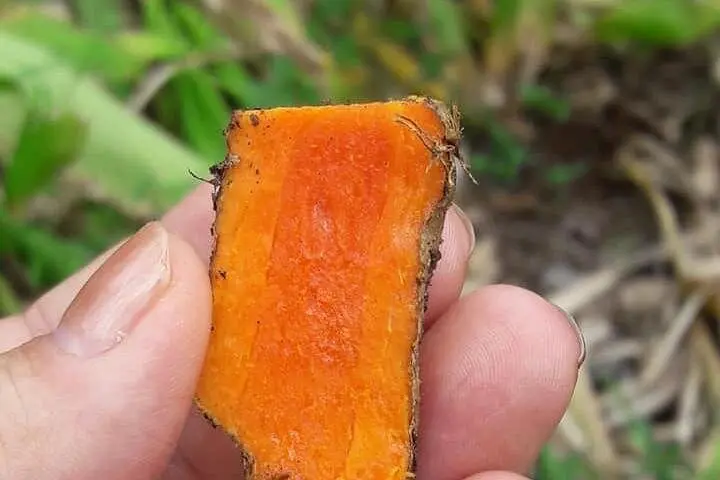

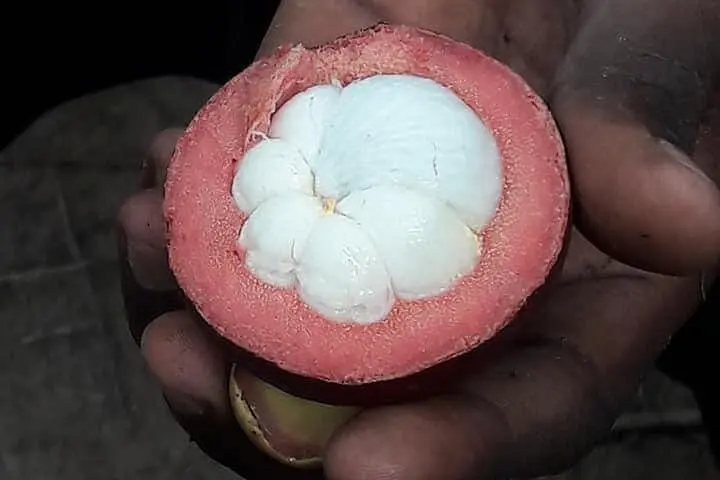
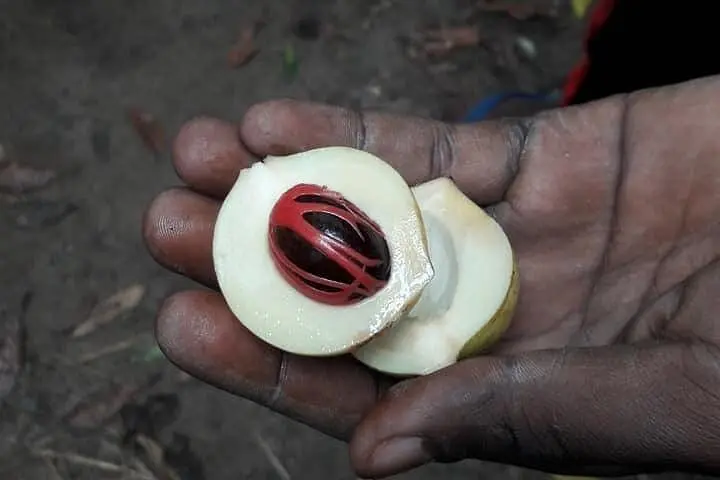
You step off the air‑conditioned van into a wet, warm inhale of earth and spice—the scent of cloves sharp, vanilla soft and sweet, turmeric dusting the breeze. A low canopy of palms and creepers frames a narrow dirt track; your guide, laughing, hands you a slice of raw ginger to taste and dares you to try climbing a coconut tree as villagers go about daily chores nearby.
You step off the air‑conditioned van into a wet, warm inhale of earth and spice—the scent of cloves sharp, vanilla soft and sweet, turmeric dusting the breeze. A low canopy of palms and creepers frames a narrow dirt track; your guide, laughing, hands you a slice of raw ginger to taste and dares you to try climbing a coconut tree as villagers go about daily chores nearby.
Zanzibar earned its reputation as the "Spice Island" in the 19th century, when Omani traders and global demand turned these plantations into export hubs. Geologically the island sits on a raised coral limestone platform that yields the shallow, well‑drained soils where spices and tropical fruits thrive. The tour blends botanical demonstration with Swahili culinary and medicinal lore: learn which bark is cinnamon, which leaves make a calming tea, and how cloves shaped regional trade and culture.
Expect a relaxed, sensory walk of roughly three hours through cultivated plots and small homesteads. Guides show how spices are harvested and processed and often offer fresh fruit tastings—mango, jackfruit, passion fruit—when in season. Bring sun protection and a refillable bottle; there’s bottled mineral water provided, but shade is limited in places.
Practical notes: tours typically include round‑trip pickup from Stone Town, small group sizes (under ten), and an easy physical grade suited to most travelers. Wear closed‑toed shoes for uneven farm tracks, carry small change for local crafts or extra fruit, and be prepared for tropical insects. The mix of hands‑on tasting, short demonstrations, and local stories makes this a compact cultural outing that’s equal parts education and flavor exploration.