THE ADVENTURE COLLECTIVE® · Independent discovery and booking for outdoor travel

Walk a spice farm on Unguja for three hours—smell fresh clove, taste vanilla and learn the island’s spice-trading history from a local guide. Comfortable, sensory, and suitable for most fitness levels with private pickup included.
Walk a spice farm on Unguja for three hours—smell fresh clove, taste vanilla and learn the island’s spice-trading history from a local guide. Comfortable, sensory, and suitable for most fitness levels with private pickup included.
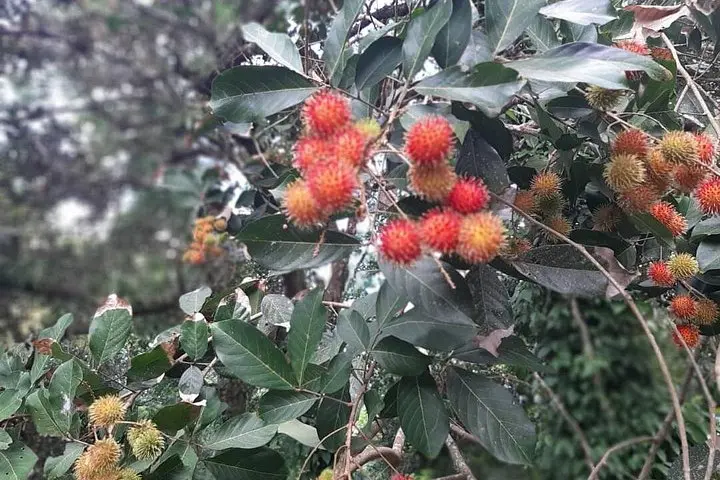
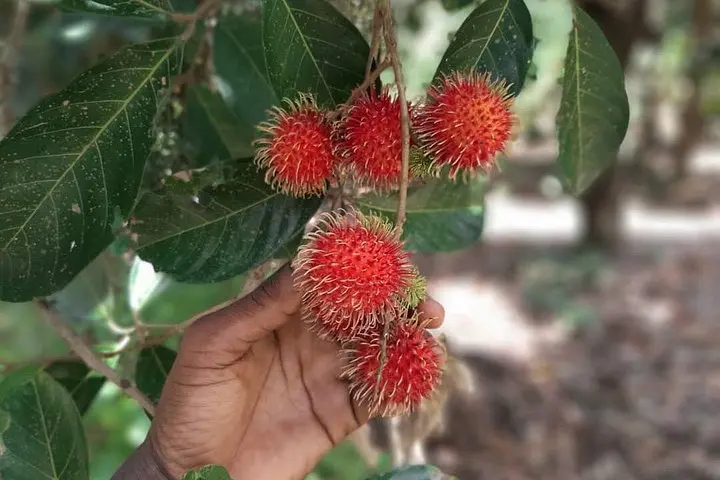
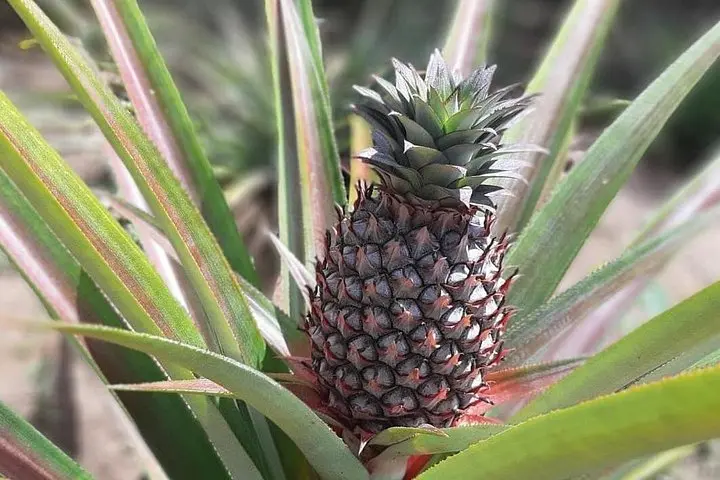
You step off the shaded lane and the air changes—owning a sudden, green heat that pushes cinnamon and clove into your nose like a dare. Leaves brush your shoulders, and a guide parts branches to reveal rows of tropical fruit and spice trees, their scents sharp and immediate. For three hours you move at a walking pace through cultivated plots, sampling vanilla pods, rubbing lemongrass between your palms and tasting papaya warmed by the equatorial sun.
Verified experiences and guided adventures in the surrounding area.
Operated by Exodus Go Tours · Stone Town (Zanzibar City), Zanzibar
You step off the shaded lane and the air changes—owning a sudden, green heat that pushes cinnamon and clove into your nose like a dare. Leaves brush your shoulders, and a guide parts branches to reveal rows of tropical fruit and spice trees, their scents sharp and immediate. For three hours you move at a walking pace through cultivated plots, sampling vanilla pods, rubbing lemongrass between your palms and tasting papaya warmed by the equatorial sun.
Zanzibar’s spice trade shaped the island’s economy and culture for centuries; clove fields brought merchants, laborers and Swahili influences that still flavor local food and language. Geologically the island is raised coral and sand, its soils along the east and central plains supporting pepper vines, nutmeg and cassava. Guides on farm tours explain planting cycles, post-harvest drying and the traditional uses—culinary, medicinal and cosmetic—while stopping at small local shops where fresh-ground masala is sold by the kilo.
Practically: the tour runs about three hours and includes private, air-conditioned pickup and bottled water. Paths are farm tracks—often soft soil after rain—so wear closed-toe walking shoes and a hat. Expect humid, hot conditions most of the year; bring insect repellent and a small amount of cash for purchases at the stalls. The pace is gentle and suitable for most fitness levels, but the route is outdoors with limited shade at times, so plan sunscreen and hydration. The experience is sensory and hands-on: taste, smell and ask questions—this is how Zanzibar’s spices tell their own history.
The tour lasts about three hours door-to-door, including private pickup and a guided walk through the farm with sampling stops.
Yes—private, air-conditioned pickup and drop-off from most Stone Town hotels is included in the standard tour.
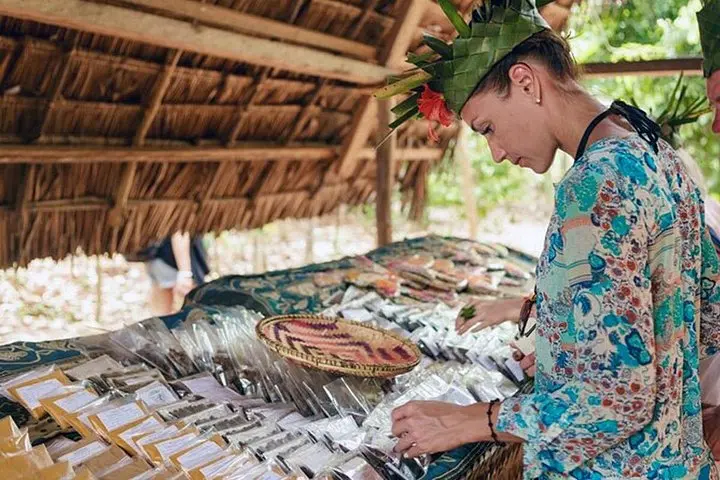
Yes; local stalls and small shops sell freshly ground spices, essential oils and ready-made blends—bring cash for easier transactions.
The walk is gentle and family-friendly, but uneven farm paths and standing during demonstrations may be challenging for those with significant mobility limitations—ask about accessible pickup options when booking.
Exodus Go Tours operates guided outdoor trips and adventures with an emphasis on safety, stewardship, and memorable experiences.
You step off the shaded lane and the air changes—owning a sudden, green heat that pushes cinnamon and clove into your nose like a dare. Leaves brush your shoulders, and a guide parts branches to reveal rows of tropical fruit and spice trees, their scents sharp and immediate. For three hours you move at a walking pace through cultivated plots, sampling vanilla pods, rubbing lemongrass between your palms and tasting papaya warmed by the equatorial sun.
You step off the shaded lane and the air changes—owning a sudden, green heat that pushes cinnamon and clove into your nose like a dare. Leaves brush your shoulders, and a guide parts branches to reveal rows of tropical fruit and spice trees, their scents sharp and immediate. For three hours you move at a walking pace through cultivated plots, sampling vanilla pods, rubbing lemongrass between your palms and tasting papaya warmed by the equatorial sun.
Zanzibar’s spice trade shaped the island’s economy and culture for centuries; clove fields brought merchants, laborers and Swahili influences that still flavor local food and language. Geologically the island is raised coral and sand, its soils along the east and central plains supporting pepper vines, nutmeg and cassava. Guides on farm tours explain planting cycles, post-harvest drying and the traditional uses—culinary, medicinal and cosmetic—while stopping at small local shops where fresh-ground masala is sold by the kilo.
Practically: the tour runs about three hours and includes private, air-conditioned pickup and bottled water. Paths are farm tracks—often soft soil after rain—so wear closed-toe walking shoes and a hat. Expect humid, hot conditions most of the year; bring insect repellent and a small amount of cash for purchases at the stalls. The pace is gentle and suitable for most fitness levels, but the route is outdoors with limited shade at times, so plan sunscreen and hydration. The experience is sensory and hands-on: taste, smell and ask questions—this is how Zanzibar’s spices tell their own history.