THE ADVENTURE COLLECTIVE® · Independent discovery and booking for outdoor travel

Five days on Zanzibar mixes Stone Town history, spice-plantation smells, white-sand beaches and a full-day Safari Blue dhow cruise. This accessible itinerary balances cultural walking tours with time on coral reefs and private sandbanks.
Five days on Zanzibar mixes Stone Town history, spice-plantation smells, white-sand beaches and a full-day Safari Blue dhow cruise. This accessible itinerary balances cultural walking tours with time on coral reefs and private sandbanks.
You arrive to the humid air of Zanzibar and the ocean immediately takes the lead—dhows dot the horizon like patient scribes, and the tide pulls soft white sand away from your footprints.
Verified experiences and guided adventures in the surrounding area.
Operated by Edge Crest Tours · Stone Town, Zanzibar
You arrive to the humid air of Zanzibar and the ocean immediately takes the lead—dhows dot the horizon like patient scribes, and the tide pulls soft white sand away from your footprints.
Start in Stone Town where coral-stone streets lead past carved doors, the Old Fort and the House of Wonders; the island’s layered history—Omani trade, Swahili culture and colonial routes—shows in architecture, language and market rhythms. Geologically the island is an uplifted coral rim ringed by fringing reefs; those reefs shape the swimming, snorkeling and sandbank stops you’ll visit on the Safari Blue day sail.
Culture is tactile here: spice farms fill the air with clove, cinnamon and vanilla; fishermen mend nets in Nungwi while the sea keeps time. On the northern beaches, low dunes and wind-sculpted palms frame calm blue water that invites easy snorkeling over shallow coral gardens. Inland, Jozani’s mangroves and forests are the last refuge for the Zanzibar red colobus monkey.
Practical guidance: Stone Town and beaches are low elevation with short transfers—expect 1.5–2 hours to Nungwi—so plan light luggage and flexible timing for boat departures that follow tides. Bring reef-safe sunscreen, a snorkel mask if you prefer your own gear, and light layers for evenings. Respect local dress codes in Stone Town and tip guides and crew modestly. Hydrate steadily in the heat and book the Safari Blue with tide windows in mind; reefs are best at lower water movement. With straightforward logistics and a mix of culture and sea, the tour delivers an accessible, lively introduction to the Spice Island.
Many nationalities require a visa for Tanzania—check the Tanzanian embassy website or your airline for visa-on-arrival rules and prepare passport details in advance.
The listing notes wheelchair accessibility for many areas and transport—confirm specific mobility needs before booking to ensure suitable vehicles and accommodations.
Tanzanian shillings are standard for small purchases and tips; US dollars are accepted in tourist areas—tip guides and boat crews modestly (5–10% or small cash amounts per person).
Snorkeling is best during the dry months (Jun–Oct, Dec–Feb) when sea visibility is higher; also check tide schedules for calmer water around reefs and sandbanks.
Edge Crest Tours operates guided outdoor trips and adventures with an emphasis on safety, stewardship, and memorable experiences.
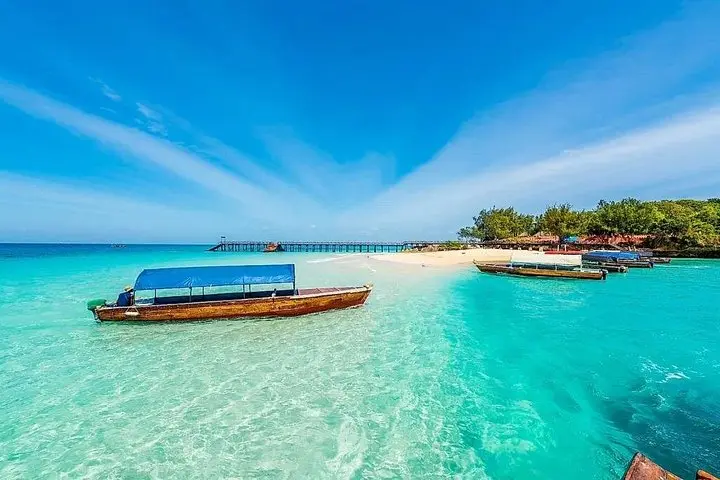


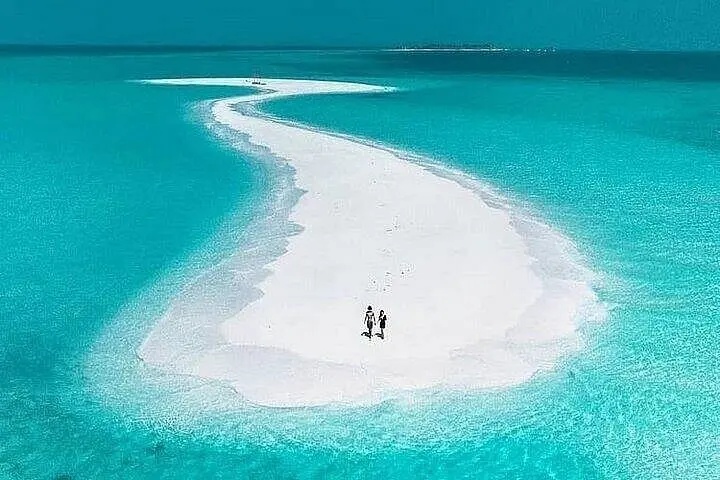
You arrive to the humid air of Zanzibar and the ocean immediately takes the lead—dhows dot the horizon like patient scribes, and the tide pulls soft white sand away from your footprints.
You arrive to the humid air of Zanzibar and the ocean immediately takes the lead—dhows dot the horizon like patient scribes, and the tide pulls soft white sand away from your footprints.
Start in Stone Town where coral-stone streets lead past carved doors, the Old Fort and the House of Wonders; the island’s layered history—Omani trade, Swahili culture and colonial routes—shows in architecture, language and market rhythms. Geologically the island is an uplifted coral rim ringed by fringing reefs; those reefs shape the swimming, snorkeling and sandbank stops you’ll visit on the Safari Blue day sail.
Culture is tactile here: spice farms fill the air with clove, cinnamon and vanilla; fishermen mend nets in Nungwi while the sea keeps time. On the northern beaches, low dunes and wind-sculpted palms frame calm blue water that invites easy snorkeling over shallow coral gardens. Inland, Jozani’s mangroves and forests are the last refuge for the Zanzibar red colobus monkey.
Practical guidance: Stone Town and beaches are low elevation with short transfers—expect 1.5–2 hours to Nungwi—so plan light luggage and flexible timing for boat departures that follow tides. Bring reef-safe sunscreen, a snorkel mask if you prefer your own gear, and light layers for evenings. Respect local dress codes in Stone Town and tip guides and crew modestly. Hydrate steadily in the heat and book the Safari Blue with tide windows in mind; reefs are best at lower water movement. With straightforward logistics and a mix of culture and sea, the tour delivers an accessible, lively introduction to the Spice Island.