THE ADVENTURE COLLECTIVE® · Independent discovery and booking for outdoor travel

Step into Zealandia’s predator‑free sanctuary on a focused 2‑hour guided tour. Learn conservation history, watch kākā and tūī at feeding stations, and explore restored forest tracks just outside Wellington.
Step into Zealandia’s predator‑free sanctuary on a focused 2‑hour guided tour. Learn conservation history, watch kākā and tūī at feeding stations, and explore restored forest tracks just outside Wellington.
An early-morning mist lifts off the gullied slopes of Karori as your guide gathers the small group at the Visitors Centre. Bird calls thread through the trees and the sanctuary’s predator-proof fence hums with a sense of purpose; this is Zealandia, a restored piece of mainland New Zealand where native species move with a confidence born of careful protection.
Verified experiences and guided adventures in the surrounding area.
Operated by Zealandia · Wellington, Wellington
An early-morning mist lifts off the gullied slopes of Karori as your guide gathers the small group at the Visitors Centre. Bird calls thread through the trees and the sanctuary’s predator-proof fence hums with a sense of purpose; this is Zealandia, a restored piece of mainland New Zealand where native species move with a confidence born of careful protection.
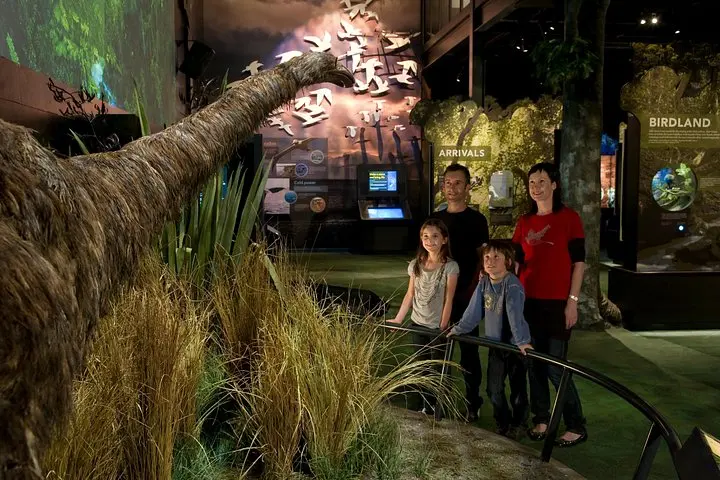
The walk begins inside an interpretive exhibition and short film that outline the sanctuary’s modern conservation story — a 500‑hectare urban restoration built around a predator‑proof fence and a bold plan to reintroduce species once lost from the Wellington basin. Geology here is subtle: sandstone ridgelines, stream gullies and pockets of podocarp and broadleaf forest that shape the tracks and lookout points. Māori cultural links to the land are woven into the narrative, with kōkako, tūī and kākā returning as part of a broader ecological recovery.
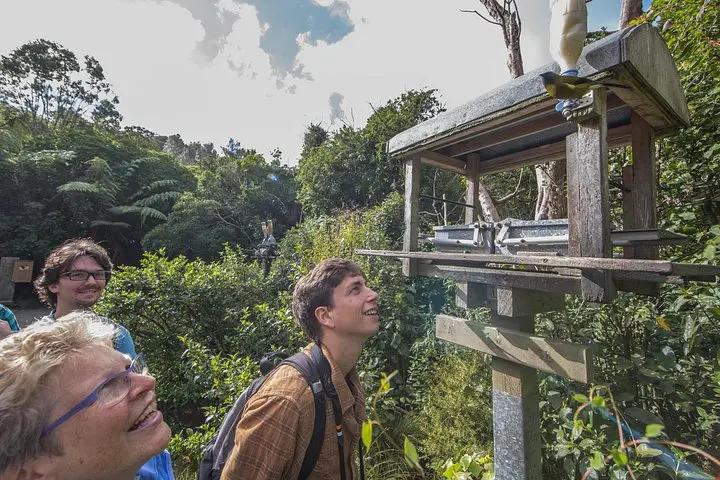
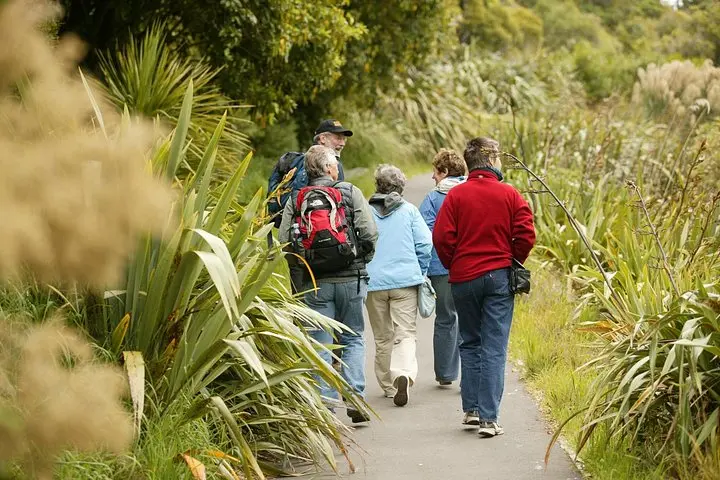
Expect concentrated wildlife viewing: feeding stations draw tūī, bellbird and kākā into close view, and guides point out signs of takahē, tuatara and native lizards. Paths vary from compact boardwalks to uneven forest trails, so the pace alternates between slow, interpretive stops and steady walking.
Practical notes: arrive 15 minutes early, wear layered, all‑weather clothing and sturdy footwear, and bring a small pack for water and a camera. Tours operate in most weather and are limited to 12 people, which keeps group sizes intimate and wildlife encounters quieter. This short, guided loop is ideal for travelers who want a focused, interpretive introduction to New Zealand’s unique fauna without a long hike.
Some tracks at Zealandia are wheelchair accessible, but this small‑group tour includes uneven trails; contact the operator to arrange a private accessible tour.
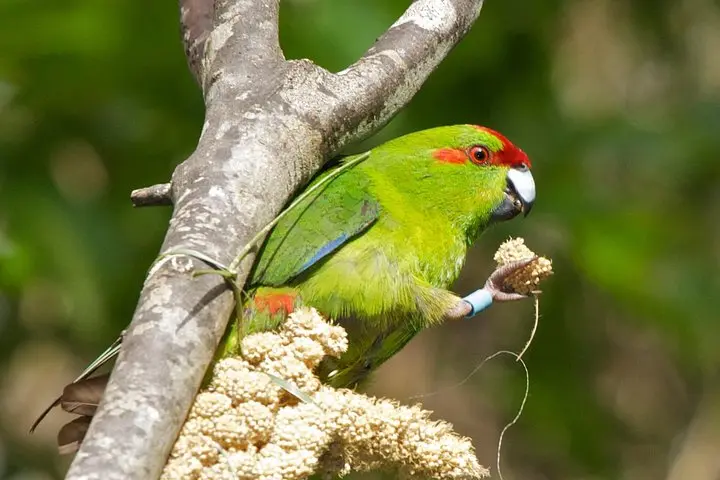
Common sightings include tūī, bellbird, kākā at feeding stations and often kākāriki; takahē, hihi and tuatara are possible but less predictable.
Yes — children are welcome but must be accompanied by an adult; infants may ride in prams on some paths but uneven surfaces may limit access.
Full refunds are available if you cancel at least 24 hours before the scheduled start; check your booking confirmation for details.
Zealandia operates guided outdoor trips and adventures with an emphasis on safety, stewardship, and memorable experiences.
An early-morning mist lifts off the gullied slopes of Karori as your guide gathers the small group at the Visitors Centre. Bird calls thread through the trees and the sanctuary’s predator-proof fence hums with a sense of purpose; this is Zealandia, a restored piece of mainland New Zealand where native species move with a confidence born of careful protection.
An early-morning mist lifts off the gullied slopes of Karori as your guide gathers the small group at the Visitors Centre. Bird calls thread through the trees and the sanctuary’s predator-proof fence hums with a sense of purpose; this is Zealandia, a restored piece of mainland New Zealand where native species move with a confidence born of careful protection.
The walk begins inside an interpretive exhibition and short film that outline the sanctuary’s modern conservation story — a 500‑hectare urban restoration built around a predator‑proof fence and a bold plan to reintroduce species once lost from the Wellington basin. Geology here is subtle: sandstone ridgelines, stream gullies and pockets of podocarp and broadleaf forest that shape the tracks and lookout points. Māori cultural links to the land are woven into the narrative, with kōkako, tūī and kākā returning as part of a broader ecological recovery.
Expect concentrated wildlife viewing: feeding stations draw tūī, bellbird and kākā into close view, and guides point out signs of takahē, tuatara and native lizards. Paths vary from compact boardwalks to uneven forest trails, so the pace alternates between slow, interpretive stops and steady walking.
Practical notes: arrive 15 minutes early, wear layered, all‑weather clothing and sturdy footwear, and bring a small pack for water and a camera. Tours operate in most weather and are limited to 12 people, which keeps group sizes intimate and wildlife encounters quieter. This short, guided loop is ideal for travelers who want a focused, interpretive introduction to New Zealand’s unique fauna without a long hike.