THE ADVENTURE COLLECTIVE® · Independent discovery and booking for outdoor travel

Walk Zealandia at twilight and watch the urban sanctuary trade daytime noise for night calls. This guided 2.5‑hour tour combines close wildlife encounters, cultural context and practical field guidance for evening exploration.
Walk Zealandia at twilight and watch the urban sanctuary trade daytime noise for night calls. This guided 2.5‑hour tour combines close wildlife encounters, cultural context and practical field guidance for evening exploration.
A low sun slips behind Wellington's ridgelines and the valley at Zealandia inhales the day. On the Twilight Guided Eco Wildlife Tour a small group follows a guide through a fully fenced urban sanctuary as the forest shifts from diurnal clatter to nocturnal hush. Wētā skitter in leaf litter, ruru (morepork) call from shadowed canopy and, if luck holds, a kiwi moves through the understorey, invisible but audible.
Verified experiences and guided adventures in the surrounding area.
Operated by Zealandia · Wellington, Wellington
A low sun slips behind Wellington's ridgelines and the valley at Zealandia inhales the day. On the Twilight Guided Eco Wildlife Tour a small group follows a guide through a fully fenced urban sanctuary as the forest shifts from diurnal clatter to nocturnal hush. Wētā skitter in leaf litter, ruru (morepork) call from shadowed canopy and, if luck holds, a kiwi moves through the understorey, invisible but audible.
The valley is part of a 500-year restoration vision to recover pre‑human ecosystems in the basin carved by tectonics and rain. Geologically young greywacke hills surround the sanctuary; culturally, Zealandia stands as a modern conservation success in Aotearoa, reconnecting Wellingtonians to native birds and reptiles. Exhibits in the visitor centre outline Māori relationships to the land and the sanctuary’s predator‑proof fence that changed local ecology.
Practically, this is a 2.5‑hour guided walk that begins about two hours before sunset. Trails are uneven, sometimes muddy; the pace is deliberate to let wildlife reveal itself. Guides serve kawakawa tea and interpret species behavior, making the night chorus legible. Access is ten minutes from Wellington CBD by car or taxi—public transit runs nearby but after‑hours options are limited.
Bring waterproof layers, sturdy footwear and a headlamp with a red filter for safety off the boardwalk. Cameras without flash preserve animal behavior. The experience is quiet, low‑impact and weather‑resilient, a short, intimate window into Aotearoa’s nocturnal wilds.
Guides position groups at respectful distances; sightings depend on animal behavior—you may hear kiwi more often than see one up close.
Children aged 5 and up may join but must be supervised; uneven terrain and late hours make it unsuitable for very young kids.
The standard twilight tour is not wheelchair accessible due to uneven trails; contact Zealandia to enquire about private or accessible options.
Tours operate in most weather but can be cancelled for extreme conditions—check cancellation policy and dress for rain and wind.
Zealandia operates guided outdoor trips and adventures with an emphasis on safety, stewardship, and memorable experiences.
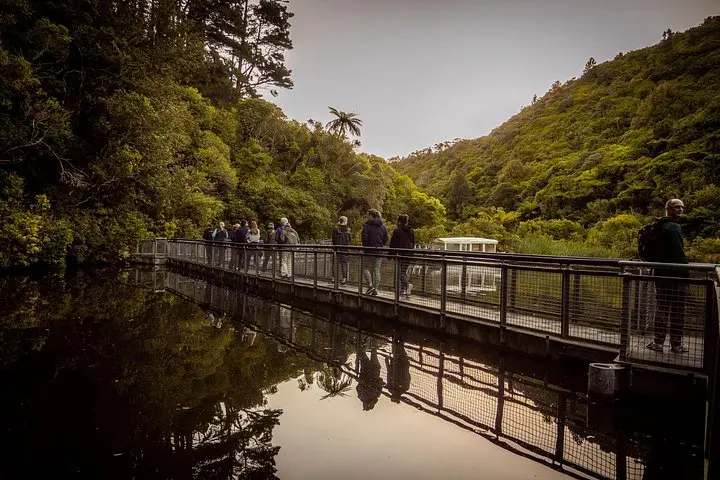
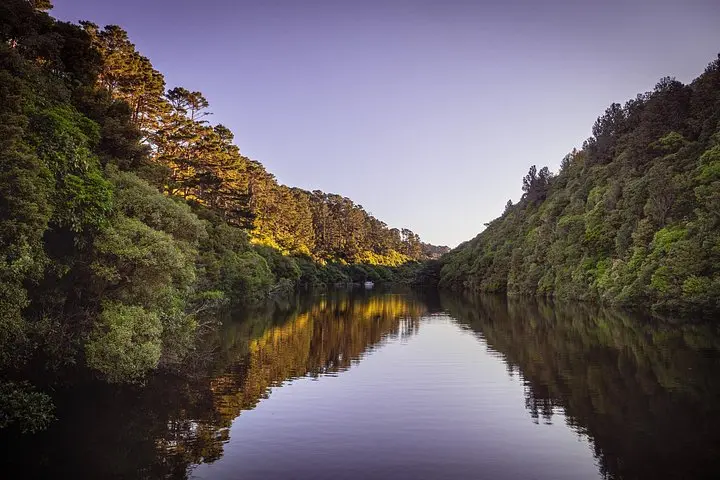
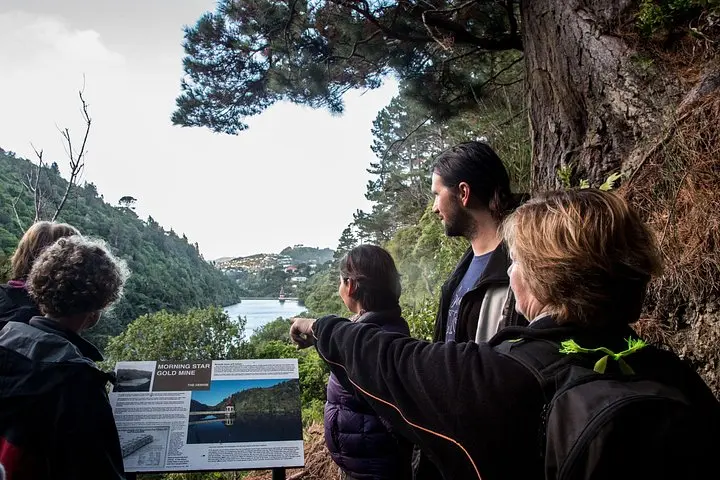
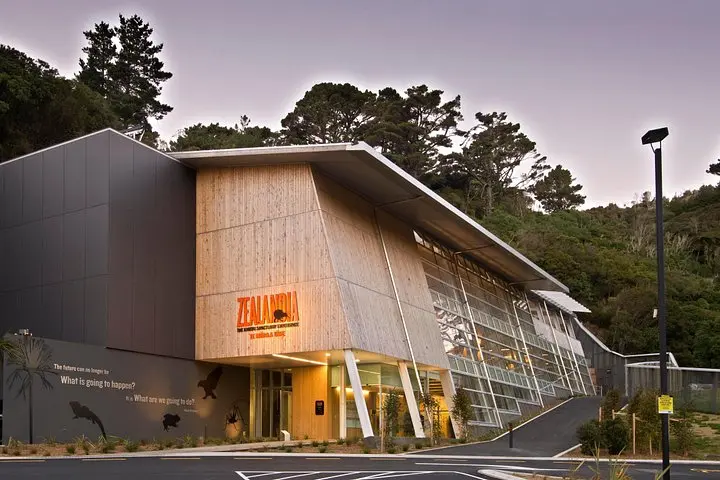
A low sun slips behind Wellington's ridgelines and the valley at Zealandia inhales the day. On the Twilight Guided Eco Wildlife Tour a small group follows a guide through a fully fenced urban sanctuary as the forest shifts from diurnal clatter to nocturnal hush. Wētā skitter in leaf litter, ruru (morepork) call from shadowed canopy and, if luck holds, a kiwi moves through the understorey, invisible but audible.
A low sun slips behind Wellington's ridgelines and the valley at Zealandia inhales the day. On the Twilight Guided Eco Wildlife Tour a small group follows a guide through a fully fenced urban sanctuary as the forest shifts from diurnal clatter to nocturnal hush. Wētā skitter in leaf litter, ruru (morepork) call from shadowed canopy and, if luck holds, a kiwi moves through the understorey, invisible but audible.
The valley is part of a 500-year restoration vision to recover pre‑human ecosystems in the basin carved by tectonics and rain. Geologically young greywacke hills surround the sanctuary; culturally, Zealandia stands as a modern conservation success in Aotearoa, reconnecting Wellingtonians to native birds and reptiles. Exhibits in the visitor centre outline Māori relationships to the land and the sanctuary’s predator‑proof fence that changed local ecology.
Practically, this is a 2.5‑hour guided walk that begins about two hours before sunset. Trails are uneven, sometimes muddy; the pace is deliberate to let wildlife reveal itself. Guides serve kawakawa tea and interpret species behavior, making the night chorus legible. Access is ten minutes from Wellington CBD by car or taxi—public transit runs nearby but after‑hours options are limited.
Bring waterproof layers, sturdy footwear and a headlamp with a red filter for safety off the boardwalk. Cameras without flash preserve animal behavior. The experience is quiet, low‑impact and weather‑resilient, a short, intimate window into Aotearoa’s nocturnal wilds.