THE ADVENTURE COLLECTIVE® · Independent discovery and booking for outdoor travel

Ride the historic Gornergrat cogwheel train from Zermatt to a 3,000m observation deck with sweeping Matterhorn and glacier views. The ticket includes access to the ZOOM exhibition for context on the alpine landscape.
Ride the historic Gornergrat cogwheel train from Zermatt to a 3,000m observation deck with sweeping Matterhorn and glacier views. The ticket includes access to the ZOOM exhibition for context on the alpine landscape.
A crisp bell tugs at the platform as the cogwheel train eases out of Zermatt, alpine air filling the carriage and the Matterhorn looming behind like a challenge you can see but not yet touch.
Verified experiences and guided adventures in the surrounding area.
Operated by SwissTravelGuide.ch · Zermatt, Valais
A crisp bell tugs at the platform as the cogwheel train eases out of Zermatt, alpine air filling the carriage and the Matterhorn looming behind like a challenge you can see but not yet touch.
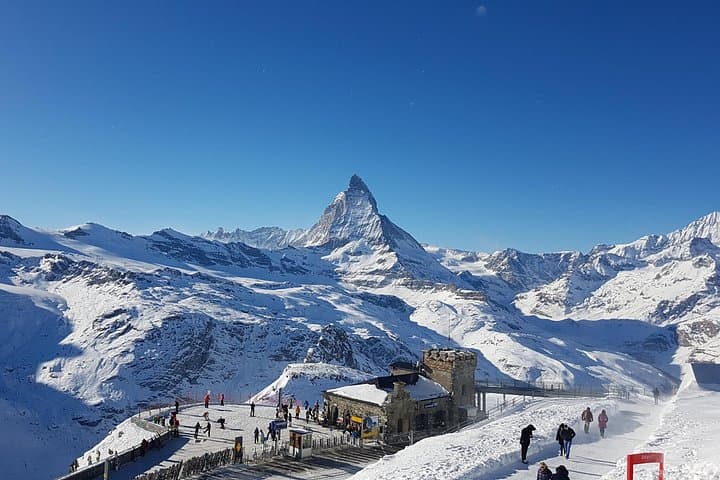
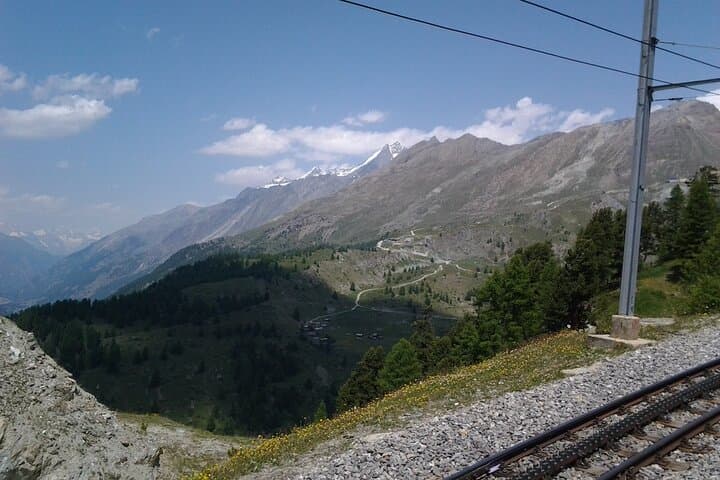
Riding the Gornergrat Railway is as much about ascent as orientation: the line, opened in the late 19th century, climbs through montane forest into a high-alpine environment where glacial tongues and rocky ridgelines tell of ice-carved geology. At the summit station, the observation deck frames the Matterhorn, Monte Rosa and Mont Blanc across a sweep of glaciers that shaped both local culture and mountaineering lore.
The included ZOOM exhibition extends the experience, translating glaciology and regional history into interactive displays—useful if weather truncates views. Alpine restaurants at the top serve traditional Valais fare; service is straightforward and focused on fueling hikers and sightseers.
Practically, this is a self-paced, low-effort excursion: the return ticket is valid on the day, trains run frequently, and the summit visit typically fits into a half-day (2–4 hours) including exhibition time. Weather changes fast above 3,000 m—sun can be intense, temperatures can drop quickly, and visibility may shift from panoramic to misty in minutes. Accessibility is good: stations and trains accommodate wheeled users, but anyone with cardiovascular concerns should plan conservatively.
Timing your ride for morning or late afternoon reduces crowds and offers cleaner light on peaks. Bring layered clothing, sunglasses, and a camera; a short loop walk from the station rewards those who want to stretch legs and meet the alpine environment up close.
Plan 2–4 hours total for the round trip including time at the summit and the ZOOM exhibition; trains run frequently from Zermatt.
Yes—the Gornergrat Railway and stations provide accessibility options, though assistance and advance planning are recommended.
Visibility depends on weather; mornings or late afternoons often offer the clearest views, but clouds can obscure peaks unpredictably.
Yes—mountain-top restaurants and facilities serve simple Swiss dishes and provide restrooms at the summit station.
SwissTravelGuide.ch operates guided outdoor trips and adventures with an emphasis on safety, stewardship, and memorable experiences.
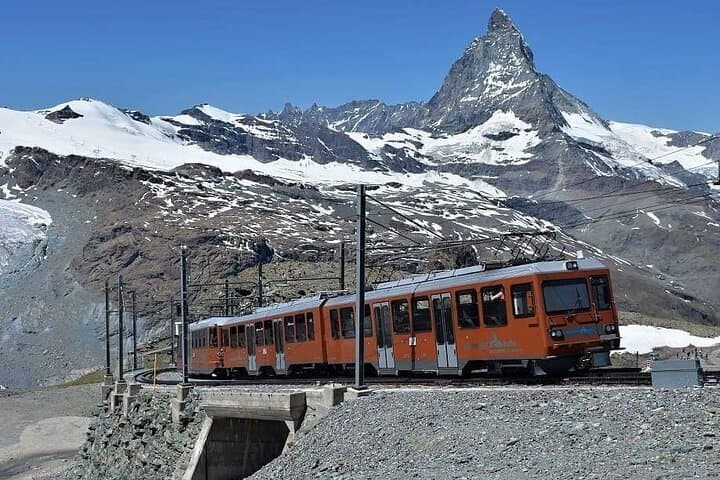
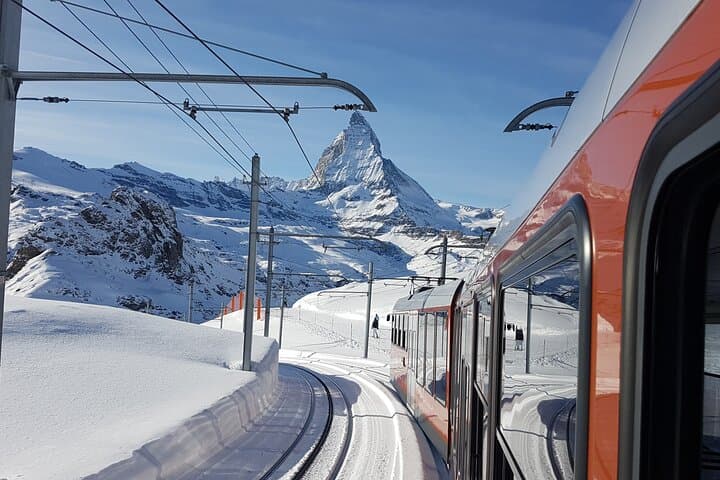
A crisp bell tugs at the platform as the cogwheel train eases out of Zermatt, alpine air filling the carriage and the Matterhorn looming behind like a challenge you can see but not yet touch.
A crisp bell tugs at the platform as the cogwheel train eases out of Zermatt, alpine air filling the carriage and the Matterhorn looming behind like a challenge you can see but not yet touch.
Riding the Gornergrat Railway is as much about ascent as orientation: the line, opened in the late 19th century, climbs through montane forest into a high-alpine environment where glacial tongues and rocky ridgelines tell of ice-carved geology. At the summit station, the observation deck frames the Matterhorn, Monte Rosa and Mont Blanc across a sweep of glaciers that shaped both local culture and mountaineering lore.
The included ZOOM exhibition extends the experience, translating glaciology and regional history into interactive displays—useful if weather truncates views. Alpine restaurants at the top serve traditional Valais fare; service is straightforward and focused on fueling hikers and sightseers.
Practically, this is a self-paced, low-effort excursion: the return ticket is valid on the day, trains run frequently, and the summit visit typically fits into a half-day (2–4 hours) including exhibition time. Weather changes fast above 3,000 m—sun can be intense, temperatures can drop quickly, and visibility may shift from panoramic to misty in minutes. Accessibility is good: stations and trains accommodate wheeled users, but anyone with cardiovascular concerns should plan conservatively.
Timing your ride for morning or late afternoon reduces crowds and offers cleaner light on peaks. Bring layered clothing, sunglasses, and a camera; a short loop walk from the station rewards those who want to stretch legs and meet the alpine environment up close.