THE ADVENTURE COLLECTIVE® · Independent discovery and booking for outdoor travel

Explore Zhangjiajie’s dramatic pillar peaks with a 4-day admission that includes eco-bus access and single-use cableway or Bailong Elevator rides on selected dates. This guide explains routes, timing, and what to expect on the park’s most popular lines.
Explore Zhangjiajie’s dramatic pillar peaks with a 4-day admission that includes eco-bus access and single-use cableway or Bailong Elevator rides on selected dates. This guide explains routes, timing, and what to expect on the park’s most popular lines.
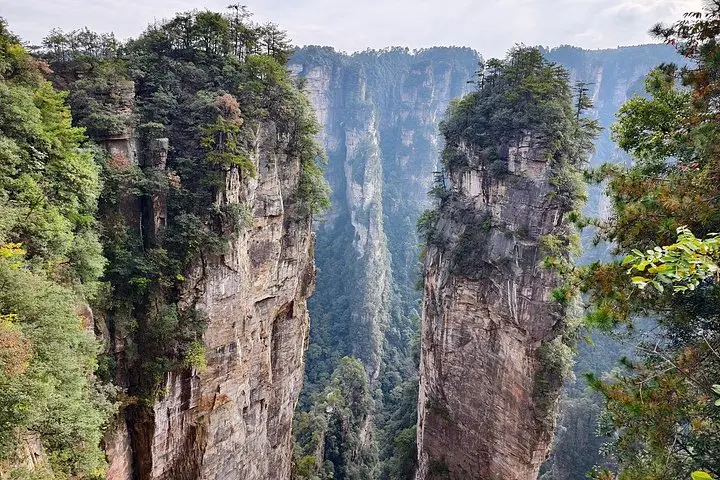
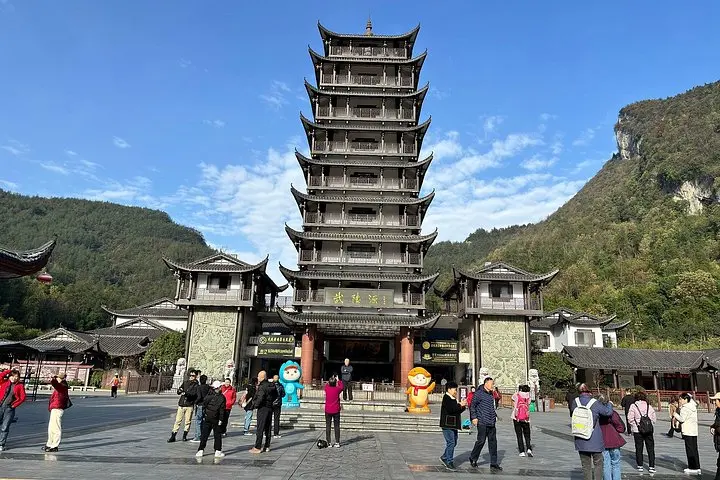
You step through the East Gate as morning mist clings to pillar-like sandstone peaks. The pines and cliff faces wake first; the valley exhales and a cable car hums upward, lifting you past sheer walls and a scatter of cloud. Up here the stone fingers stare back—strange, vertical karst columns that have shaped local folklore and driven explorers for a century.
Verified experiences and guided adventures in the surrounding area.
Operated by Travel China Guide · Zhangjiajie, Hunan
You step through the East Gate as morning mist clings to pillar-like sandstone peaks. The pines and cliff faces wake first; the valley exhales and a cable car hums upward, lifting you past sheer walls and a scatter of cloud. Up here the stone fingers stare back—strange, vertical karst columns that have shaped local folklore and driven explorers for a century.
The park’s story is geological and cultural: millions of years of erosion carved the quartz-sandstone into the spires that inspired Avatar’s “Hallelujah Mountains.” Local Tujia and Miao communities have long read the land for medicinal plants and seasonal routes; today the eco-bus and mapped trails thread through both wild and human histories.
Expect a practical choreography: your four-day admission allows multiple entries and eco-bus travel, but one-way cableway and the Bailong Elevator are single-use on the booked date. Lines can form at the elevator; plan your ascent/descent order—East Gate Line A and B swap cable and elevator roles for different views and queues.
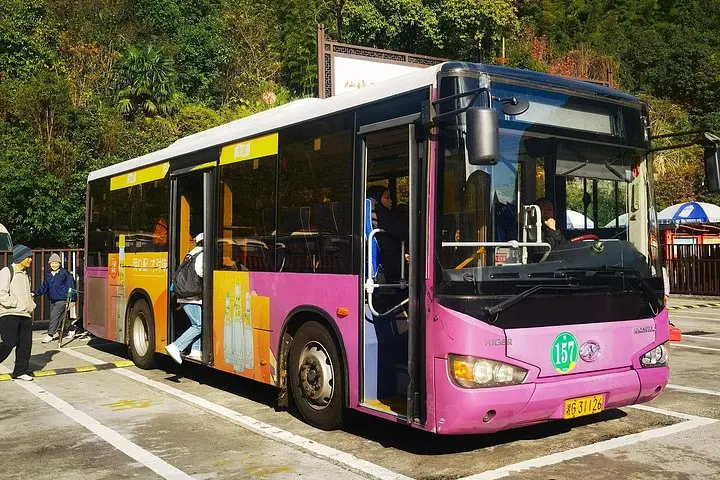
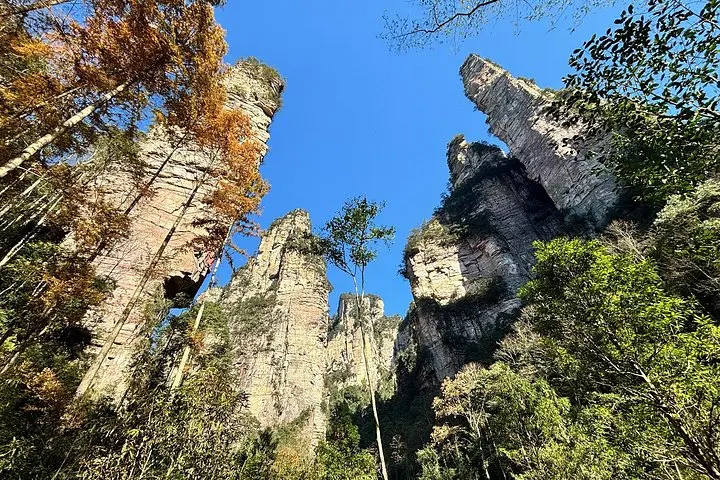
On the trail you’ll move from paved switchbacks to forested singletrack, with elevation changes that reward pause and careful footing. Bring sturdy shoes, water and your passport for on-site verification and facial registration. Aim for early starts to avoid afternoon crowds and haze; leave time to ride both cableway and elevator on their scheduled days. Respect posted routes, carry out waste, and use shuttle buses to reduce parking pressure. The result is vivid: stone pillars that push the eye upward, thin mist tugging at your jacket, and a landscape that compels you to keep climbing—slowly, deliberately, and with a practiced step.
The admission ticket is valid for four days from your first verified entry; the first entry must match your reserved gate and time slot.
No. The one-way cableway and Bailong Elevator tickets are single-use and valid only on the specific date you select at booking.
Kids under 120cm enjoy free entrance and pay half price for the elevator and cableway on-site—bring ID to verify height.
East Gate Lines A and B are popular: Line A typically uses the Tianzi cable car up and Bailong down; Line B often starts with Bailong up then Tianzi down—pick based on desired views and queue tolerance.
Travel China Guide operates guided outdoor trips and adventures with an emphasis on safety, stewardship, and memorable experiences.
You step through the East Gate as morning mist clings to pillar-like sandstone peaks. The pines and cliff faces wake first; the valley exhales and a cable car hums upward, lifting you past sheer walls and a scatter of cloud. Up here the stone fingers stare back—strange, vertical karst columns that have shaped local folklore and driven explorers for a century.
You step through the East Gate as morning mist clings to pillar-like sandstone peaks. The pines and cliff faces wake first; the valley exhales and a cable car hums upward, lifting you past sheer walls and a scatter of cloud. Up here the stone fingers stare back—strange, vertical karst columns that have shaped local folklore and driven explorers for a century.
The park’s story is geological and cultural: millions of years of erosion carved the quartz-sandstone into the spires that inspired Avatar’s “Hallelujah Mountains.” Local Tujia and Miao communities have long read the land for medicinal plants and seasonal routes; today the eco-bus and mapped trails thread through both wild and human histories.
Expect a practical choreography: your four-day admission allows multiple entries and eco-bus travel, but one-way cableway and the Bailong Elevator are single-use on the booked date. Lines can form at the elevator; plan your ascent/descent order—East Gate Line A and B swap cable and elevator roles for different views and queues.
On the trail you’ll move from paved switchbacks to forested singletrack, with elevation changes that reward pause and careful footing. Bring sturdy shoes, water and your passport for on-site verification and facial registration. Aim for early starts to avoid afternoon crowds and haze; leave time to ride both cableway and elevator on their scheduled days. Respect posted routes, carry out waste, and use shuttle buses to reduce parking pressure. The result is vivid: stone pillars that push the eye upward, thin mist tugging at your jacket, and a landscape that compels you to keep climbing—slowly, deliberately, and with a practiced step.