THE ADVENTURE COLLECTIVE® · Independent discovery and booking for outdoor travel

A private 10‑day road pilgrimage across the Gangetic plains linking Delhi, Agra, Bodh Gaya and Varanasi. This guided itinerary pairs Mughal highlights with core Buddhist sites—ideal for travelers seeking a compact cultural and spiritual survey by private car.
A private 10‑day road pilgrimage across the Gangetic plains linking Delhi, Agra, Bodh Gaya and Varanasi. This guided itinerary pairs Mughal highlights with core Buddhist sites—ideal for travelers seeking a compact cultural and spiritual survey by private car.
You step out of an air-conditioned car into the humid wash of the Gangetic plains and the day smells of dust, river mud and incense. Roads stretch toward white-domed stupas and ochre fort walls, while roadside banyans shade small shrines; the route reads like a map of South Asian religious history — each stop a pause in time.
Verified experiences and guided adventures in the surrounding area.
Operated by Pacific Tour India · New Delhi, Delhi
You step out of an air-conditioned car into the humid wash of the Gangetic plains and the day smells of dust, river mud and incense. Roads stretch toward white-domed stupas and ochre fort walls, while roadside banyans shade small shrines; the route reads like a map of South Asian religious history — each stop a pause in time.
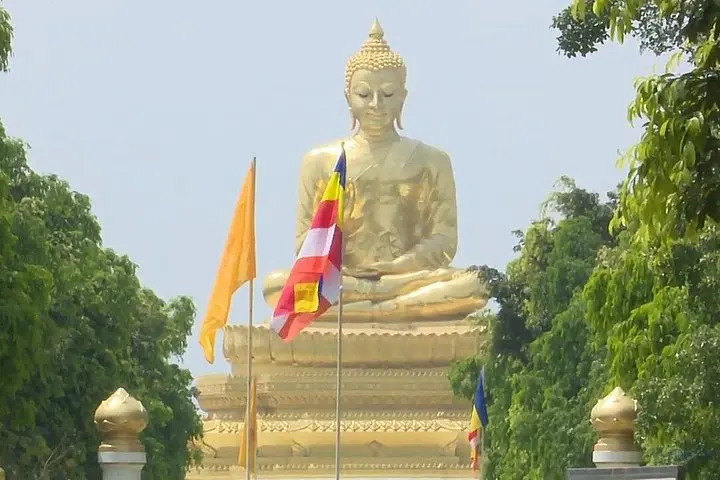
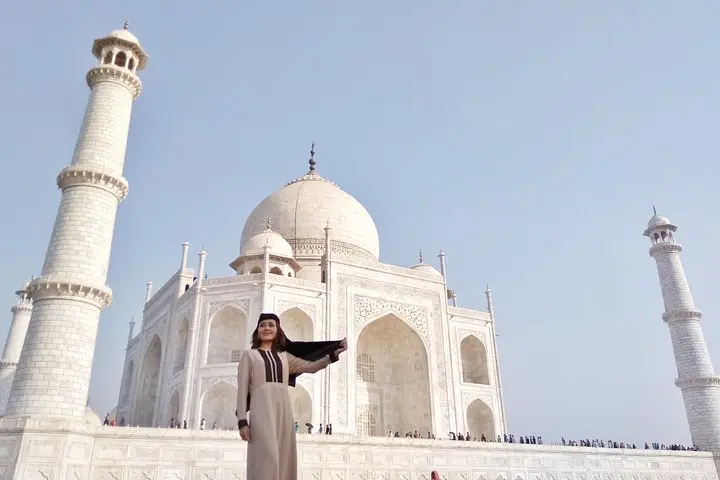
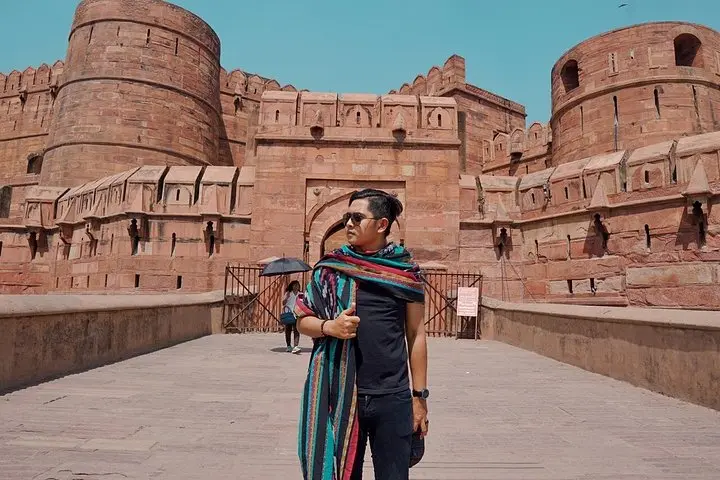
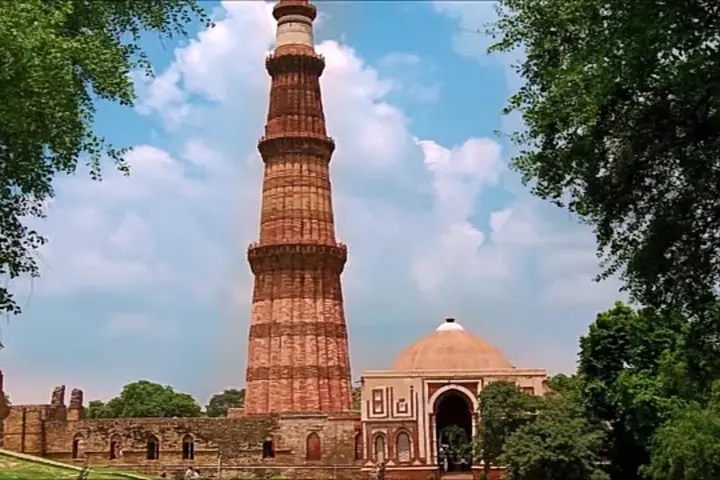
This private 9‑night, 10‑day itinerary threads New Delhi, Agra, Lucknow, Sravasti, Kushinagar, Patna, Bodh Gaya and Varanasi. It connects Mughal-era monuments — the Taj Mahal and Agra Fort — with the Buddhist pilgrim circuit: Jetavana, Parinirvana Stupa, the Bodhi Tree and Sarnath. Geology here is simple: fertile alluvial plains shaped by the Yamuna and Ganges; culturally, the corridor has been a crossroads for empires, merchants and monastics for millennia.
Expect quiet temple courtyards, the low thrum of ritual chanting and expansive river ghats that demand early mornings for best light. The travel rhythm is road-based: days of guided visits and short local walks, evenings in 3–5★ hotels and a final drop at Varanasi’s airport.
Practical guidance: carry layered clothing for sticky days and cooler early mornings, a small first‑aid kit and cash for temple offerings and local shops. Mornings are best for crowds and photography; allow time for traffic between long stretches (Delhi–Agra ~3–4 hours under normal conditions). The tour is suitable for most fitness levels but isn’t recommended for those with serious back, heart or pregnancy restrictions. Respect temple dress codes, remove shoes where required, and aim to minimize plastic waste at sacred sites.
The itinerary typically starts in New Delhi and ends with a drop at Lal Bahadur Shastri International Airport in Varanasi.
The tour lists wheelchair-accessible transportation and many sites have accessible areas, but some historic monuments and temple steps may have limited access—check specifics with the operator before booking.
Breakfast is included for nine days; other meals are generally at your own expense unless otherwise noted by the operator.
Full refund is available if you cancel at least 24 hours before departure; cancellations within 24 hours are not refundable.
Pacific Tour India operates guided outdoor trips and adventures with an emphasis on safety, stewardship, and memorable experiences.
You step out of an air-conditioned car into the humid wash of the Gangetic plains and the day smells of dust, river mud and incense. Roads stretch toward white-domed stupas and ochre fort walls, while roadside banyans shade small shrines; the route reads like a map of South Asian religious history — each stop a pause in time.
You step out of an air-conditioned car into the humid wash of the Gangetic plains and the day smells of dust, river mud and incense. Roads stretch toward white-domed stupas and ochre fort walls, while roadside banyans shade small shrines; the route reads like a map of South Asian religious history — each stop a pause in time.
This private 9‑night, 10‑day itinerary threads New Delhi, Agra, Lucknow, Sravasti, Kushinagar, Patna, Bodh Gaya and Varanasi. It connects Mughal-era monuments — the Taj Mahal and Agra Fort — with the Buddhist pilgrim circuit: Jetavana, Parinirvana Stupa, the Bodhi Tree and Sarnath. Geology here is simple: fertile alluvial plains shaped by the Yamuna and Ganges; culturally, the corridor has been a crossroads for empires, merchants and monastics for millennia.
Expect quiet temple courtyards, the low thrum of ritual chanting and expansive river ghats that demand early mornings for best light. The travel rhythm is road-based: days of guided visits and short local walks, evenings in 3–5★ hotels and a final drop at Varanasi’s airport.
Practical guidance: carry layered clothing for sticky days and cooler early mornings, a small first‑aid kit and cash for temple offerings and local shops. Mornings are best for crowds and photography; allow time for traffic between long stretches (Delhi–Agra ~3–4 hours under normal conditions). The tour is suitable for most fitness levels but isn’t recommended for those with serious back, heart or pregnancy restrictions. Respect temple dress codes, remove shoes where required, and aim to minimize plastic waste at sacred sites.