THE ADVENTURE COLLECTIVE® · Independent discovery and booking for outdoor travel

Leap into an intimate Zodiac whale watching tour out of Cabo San Lucas led by a marine biologist. Expect close humpback encounters, hydrophone listening when sea conditions allow, and free tour photos included.
Leap into an intimate Zodiac whale watching tour out of Cabo San Lucas led by a marine biologist. Expect close humpback encounters, hydrophone listening when sea conditions allow, and free tour photos included.
The Zodiac surges out of the marina, spray catching the sun as the skyline of Cabo San Lucas slides aft. Your captain threads the narrow channel past the Arch, where currents push and swirl like a river meeting the ocean, and Pelican Rock perches on the horizon, sharp against a bright sky. A marine biologist scans the surface with binoculars; beneath their calm voice the ocean seems to have a character of its own, curious and occasionally exuberant. Within minutes a dorsal fin arcs, then a spray and the unmistakable back-and-forth of a humpback—huge, deliberate, and close enough for a quiet, reverent pause.
Verified experiences and guided adventures in the surrounding area.
Operated by Whale Watch Cabo · Cabo San Lucas, Baja California Sur
The Zodiac surges out of the marina, spray catching the sun as the skyline of Cabo San Lucas slides aft. Your captain threads the narrow channel past the Arch, where currents push and swirl like a river meeting the ocean, and Pelican Rock perches on the horizon, sharp against a bright sky. A marine biologist scans the surface with binoculars; beneath their calm voice the ocean seems to have a character of its own, curious and occasionally exuberant. Within minutes a dorsal fin arcs, then a spray and the unmistakable back-and-forth of a humpback—huge, deliberate, and close enough for a quiet, reverent pause.
Whale watching in Cabo sits at the junction of oceanography and human history. The Sea of Cortez and the Pacific create thermal fronts that funnel krill and small fish into seasonal corridors, drawing humpbacks here each winter to breed and nurse. Whale watching evolved from local fishermen's seasonal knowledge into a regulated ecotourism industry; since the early 2000s operators have worked with biologists and navy guidelines to protect animals while sharing encounters.
Geology is part of the show: the Arch (El Arco) is a granite spur carved by waves and wind, a landmark that signals the meeting point of two seas. Culturally, the marina hums with a mix of fishing lore, tourist service, and artists selling wind-bleached photos—reminders that these tours stitch natural spectacle into local life.
Practical realities matter. Tours run about 2.5 hours and use rigid-zodiacs seating up to 10 for a personal feel; that means open exposure to sun, wind, and spray. The operator emphasizes non-invasive viewing: boats maintain regulated distances, and guides will use a hydrophone when conditions allow to hear humpback song—a rare and moving classroom moment. Photographers get free high-quality images taken by the guide, which makes packing a phone or small waterproof camera a smart choice rather than hauling heavy gear.
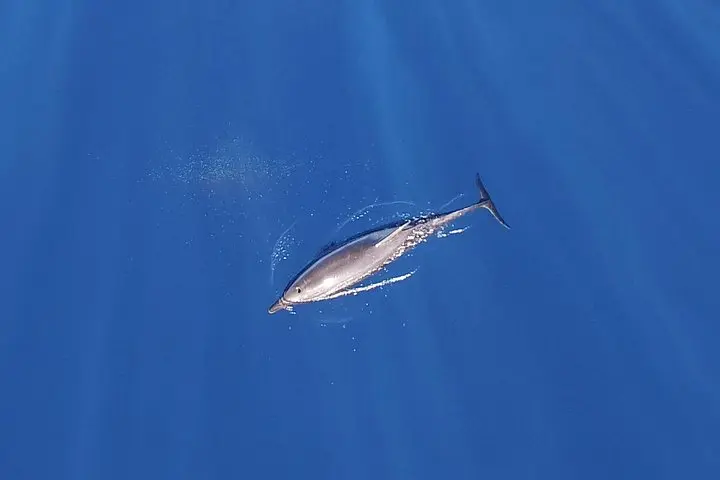
Timing is everything: peak humpback season runs December through mid-April, when a sightings guarantee often applies. Summer brings different visitors—dolphins, mobula rays, and turtles—but fewer breeding humpbacks. Wear layers and reef-safe sunscreen, secure loose items, and plan to arrive 30 minutes early to check in.
For travelers, the trip balances thrill with education. Expect several close encounters, a chance to hear whales through a hydrophone, and short interpretive talks about behavior, migration, and conservation. Whether you’re a first-timer wanting a reliable close-up or a repeat visitor chasing a whale’s song, the Zodiac tour is a compact, informative way to put the Pacific’s giants center stage without compromising their space.
From Dec 15–Apr 15 sightings are extremely high and the operator offers a sightings guarantee; outside that window dolphins and rays are common but humpback encounters drop.
Yes—minimum age is 8; families are common but young children should be supervised and wear lifejackets.
Guides deploy a hydrophone in calm seas to broadcast humpback song live; it’s used when whales are vocalizing and conditions permit.
Advance booking is recommended during peak whale season (Dec–Apr) since tours have a 10-guest maximum and often sell out.
Yes—high-quality tour photos taken by the guide are provided free, so you can enjoy the encounter without worrying about photographing every moment.
Tours may cancel for safety or weather; the operator offers refunds for cancellations made at least 24 hours in advance and reschedules or refunds for weather-related cancellations.
Whale Watch Cabo operates guided outdoor trips and adventures with an emphasis on safety, stewardship, and memorable experiences.
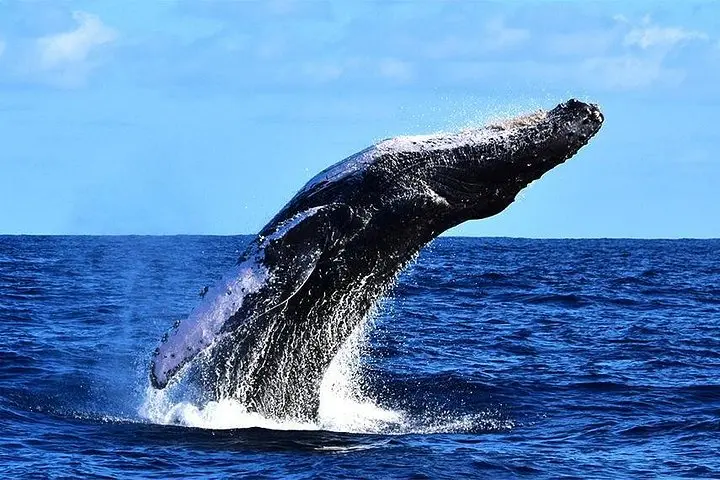
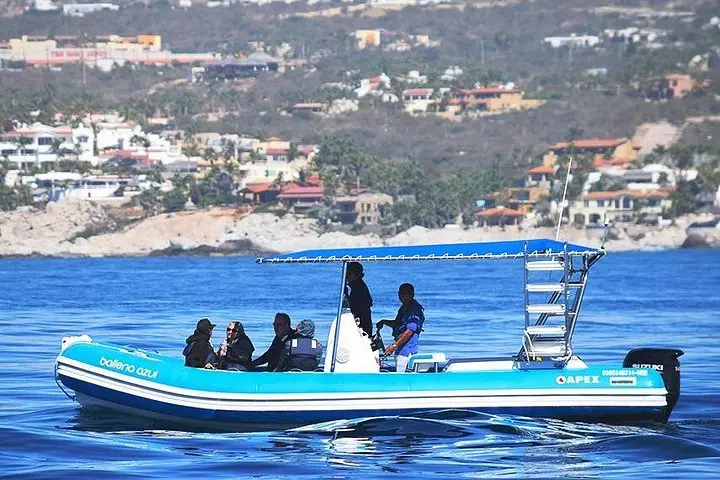
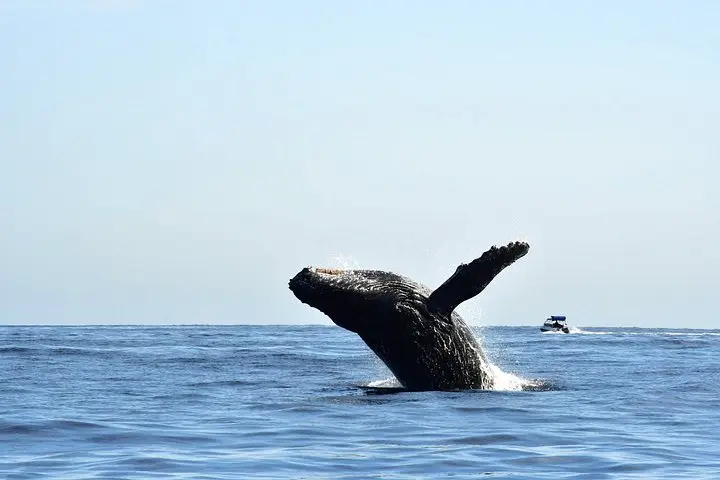
The Zodiac surges out of the marina, spray catching the sun as the skyline of Cabo San Lucas slides aft. Your captain threads the narrow channel past the Arch, where currents push and swirl like a river meeting the ocean, and Pelican Rock perches on the horizon, sharp against a bright sky. A marine biologist scans the surface with binoculars; beneath their calm voice the ocean seems to have a character of its own, curious and occasionally exuberant. Within minutes a dorsal fin arcs, then a spray and the unmistakable back-and-forth of a humpback—huge, deliberate, and close enough for a quiet, reverent pause.
The Zodiac surges out of the marina, spray catching the sun as the skyline of Cabo San Lucas slides aft. Your captain threads the narrow channel past the Arch, where currents push and swirl like a river meeting the ocean, and Pelican Rock perches on the horizon, sharp against a bright sky. A marine biologist scans the surface with binoculars; beneath their calm voice the ocean seems to have a character of its own, curious and occasionally exuberant. Within minutes a dorsal fin arcs, then a spray and the unmistakable back-and-forth of a humpback—huge, deliberate, and close enough for a quiet, reverent pause.
Whale watching in Cabo sits at the junction of oceanography and human history. The Sea of Cortez and the Pacific create thermal fronts that funnel krill and small fish into seasonal corridors, drawing humpbacks here each winter to breed and nurse. Whale watching evolved from local fishermen's seasonal knowledge into a regulated ecotourism industry; since the early 2000s operators have worked with biologists and navy guidelines to protect animals while sharing encounters.
Geology is part of the show: the Arch (El Arco) is a granite spur carved by waves and wind, a landmark that signals the meeting point of two seas. Culturally, the marina hums with a mix of fishing lore, tourist service, and artists selling wind-bleached photos—reminders that these tours stitch natural spectacle into local life.
Practical realities matter. Tours run about 2.5 hours and use rigid-zodiacs seating up to 10 for a personal feel; that means open exposure to sun, wind, and spray. The operator emphasizes non-invasive viewing: boats maintain regulated distances, and guides will use a hydrophone when conditions allow to hear humpback song—a rare and moving classroom moment. Photographers get free high-quality images taken by the guide, which makes packing a phone or small waterproof camera a smart choice rather than hauling heavy gear.
Timing is everything: peak humpback season runs December through mid-April, when a sightings guarantee often applies. Summer brings different visitors—dolphins, mobula rays, and turtles—but fewer breeding humpbacks. Wear layers and reef-safe sunscreen, secure loose items, and plan to arrive 30 minutes early to check in.
For travelers, the trip balances thrill with education. Expect several close encounters, a chance to hear whales through a hydrophone, and short interpretive talks about behavior, migration, and conservation. Whether you’re a first-timer wanting a reliable close-up or a repeat visitor chasing a whale’s song, the Zodiac tour is a compact, informative way to put the Pacific’s giants center stage without compromising their space.