THE ADVENTURE COLLECTIVE® · Independent discovery and booking for outdoor travel

Spend a day at Zoo Negara in Kuala Lumpur to see giant pandas, Malaysian wildlife, and themed habitats. This practical guide covers what to expect, how to plan your visit, and tips for making the most of the zoo’s exhibits.
Spend a day at Zoo Negara in Kuala Lumpur to see giant pandas, Malaysian wildlife, and themed habitats. This practical guide covers what to expect, how to plan your visit, and tips for making the most of the zoo’s exhibits.
You step under the broad entrance gates and the city noise falls away—paths thread through open habitats where hornbills call and otters slip between rocks. Morning light makes the giant panda enclosure a quiet theater; Xing Xing and Liang Liang move with slow intent, the keepers’ commentary adding context to each chew and stretch.
Verified experiences and guided adventures in the surrounding area.
Operated by Mayflower Holidays · Kuala Lumpur, Kuala Lumpur
You step under the broad entrance gates and the city noise falls away—paths thread through open habitats where hornbills call and otters slip between rocks. Morning light makes the giant panda enclosure a quiet theater; Xing Xing and Liang Liang move with slow intent, the keepers’ commentary adding context to each chew and stretch.
Opened in the 1960s, Zoo Negara was Malaysia’s response to a growing conservation movement, shifting from classical menageries to naturalistic exhibits. The site occupies lowland terrain shaped by alluvial soils and old river channels, so trails are generally flat with shaded, humid understory. Cultural ties run deep: the zoo participates in regional breeding programs and public education, reflecting Malaysia’s emphasis on biodiversity protection.
Expect themed zones—Savannah Walk, Reptile House, Ape Centre—and indoor attractions like the Tunku Abdul Rahman Aquarium and Butterfly Garden. Daily keeper talks and feedings give structure to a visit; the panda center is air-conditioned and often the busiest stop. Photography is allowed but be mindful of flash and crowding.
Practical guidance: wear breathable shoes for several kilometers of walking between exhibits, bring a refillable water bottle, and check the daily schedule on arrival for feeding times. Public transport and parking are available; the park is largely accessible for strollers and wheelchairs. Rain can arrive suddenly—carry a light rain layer—and plan 3–6 hours to move at a relaxed pace. Follow signage, respect enclosure barriers, and avoid feeding animals. With basic planning, Zoo Negara delivers an informative, family-friendly day that balances close animal encounters with conservation-focused interpretation.
Most visitors spend 3–6 hours to see the major exhibits and catch a few keeper talks; full-day visits are possible if you move slowly or have children.
Viewing is usually on a first-come basis but crowds peak mid-morning; check the centre’s posted times for any special viewing slots or keeper interaction sessions.
Yes—pathways and major exhibits are generally accessible, and the zoo lists wheelchair and stroller access among its amenities; some smaller exhibits may have steps.
Outside snacks are generally allowed, but feeding animals is prohibited; there are kiosks and cafés on site offering Malaysian and international options.
Mayflower Holidays operates guided outdoor trips and adventures with an emphasis on safety, stewardship, and memorable experiences.

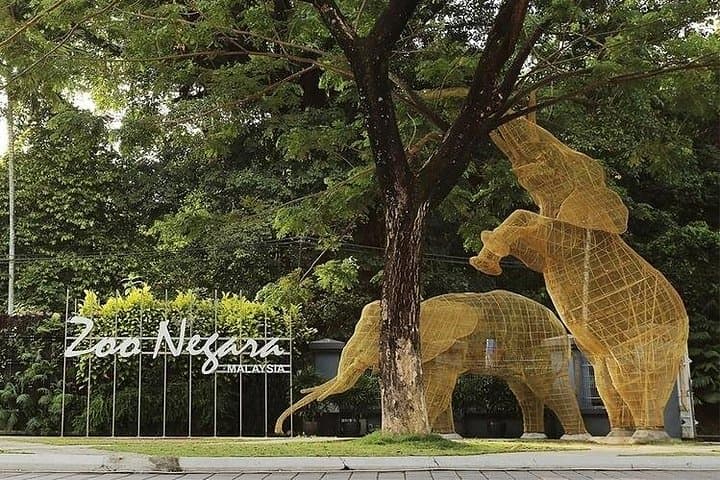

You step under the broad entrance gates and the city noise falls away—paths thread through open habitats where hornbills call and otters slip between rocks. Morning light makes the giant panda enclosure a quiet theater; Xing Xing and Liang Liang move with slow intent, the keepers’ commentary adding context to each chew and stretch.
You step under the broad entrance gates and the city noise falls away—paths thread through open habitats where hornbills call and otters slip between rocks. Morning light makes the giant panda enclosure a quiet theater; Xing Xing and Liang Liang move with slow intent, the keepers’ commentary adding context to each chew and stretch.
Opened in the 1960s, Zoo Negara was Malaysia’s response to a growing conservation movement, shifting from classical menageries to naturalistic exhibits. The site occupies lowland terrain shaped by alluvial soils and old river channels, so trails are generally flat with shaded, humid understory. Cultural ties run deep: the zoo participates in regional breeding programs and public education, reflecting Malaysia’s emphasis on biodiversity protection.
Expect themed zones—Savannah Walk, Reptile House, Ape Centre—and indoor attractions like the Tunku Abdul Rahman Aquarium and Butterfly Garden. Daily keeper talks and feedings give structure to a visit; the panda center is air-conditioned and often the busiest stop. Photography is allowed but be mindful of flash and crowding.
Practical guidance: wear breathable shoes for several kilometers of walking between exhibits, bring a refillable water bottle, and check the daily schedule on arrival for feeding times. Public transport and parking are available; the park is largely accessible for strollers and wheelchairs. Rain can arrive suddenly—carry a light rain layer—and plan 3–6 hours to move at a relaxed pace. Follow signage, respect enclosure barriers, and avoid feeding animals. With basic planning, Zoo Negara delivers an informative, family-friendly day that balances close animal encounters with conservation-focused interpretation.