THE ADVENTURE COLLECTIVE® · Independent discovery and booking for outdoor travel

Spend a day in the Valley of a Thousand Hills visiting iSithumba village and a lively Zulu dance at PheZulu. This guided tour mixes a 2-hour community walk with traditional performance and local lunch.
Spend a day in the Valley of a Thousand Hills visiting iSithumba village and a lively Zulu dance at PheZulu. This guided tour mixes a 2-hour community walk with traditional performance and local lunch.
Morning light slices into the Valley of a Thousand Hills as the minivan threads a narrow road away from Durban, dropping you into green slopes where cattle graze and the river hurries like a question.
Verified experiences and guided adventures in the surrounding area.
Operated by Durban Safaris and Tours · Durban, KwaZulu-Natal
Morning light slices into the Valley of a Thousand Hills as the minivan threads a narrow road away from Durban, dropping you into green slopes where cattle graze and the river hurries like a question.
The day begins with a two-hour guided walk through iSithumba, a working Zulu village where homestead kraals, a life-giving river and a local spaza store form the everyday rhythm. Guides who live in the community lead conversations about lineage, healing practices at the iSisangoma (traditional healer) and the role of the chief and his households, offering a direct window into contemporary Zulu life.
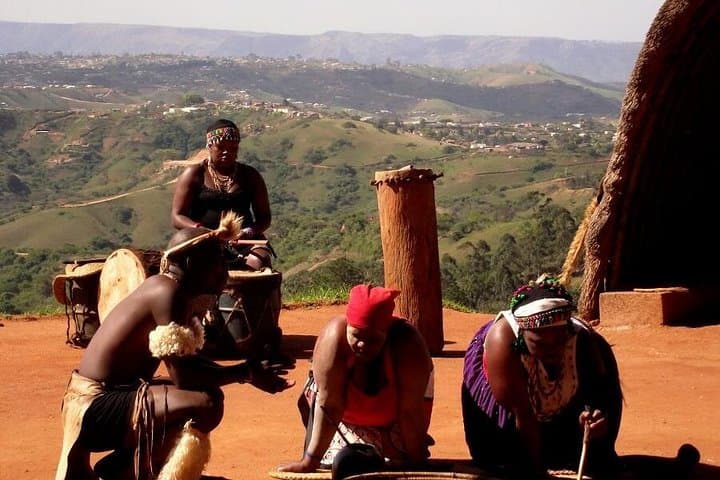
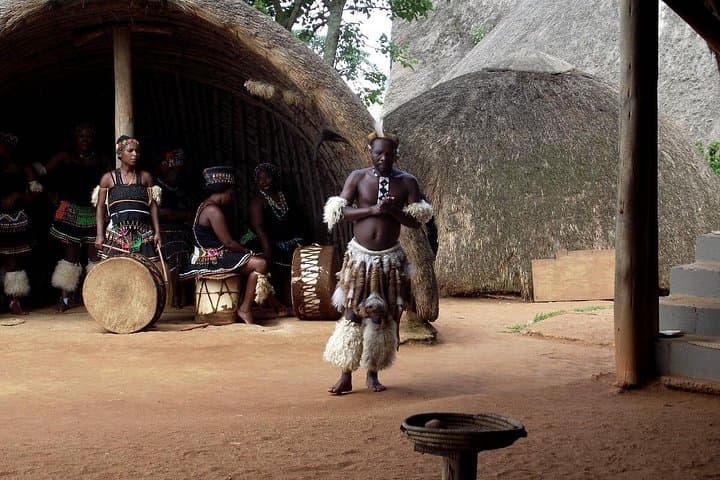
The region’s rolling hills are underlain by ancient Natal Group sandstones, worn into broad valleys and ridgelines that shape settlement patterns and the agricultural terraces you’ll pass. PheZulu Cultural Park, the second stop, has staged music and dance presentations for decades and frames performance as living history: choreography, costume and call-and-response song that trace Zulu social roles and wartime traditions.
Practically, this is a full-day outing (6–8 hours) with periods of standing, walking over uneven earth and steps, and a short seated performance. Bring sunscreen and a sun hat for open stretches, sturdy closed shoes for unpaved village lanes, and a reusable bottle to refill. Respectful behavior is essential—ask before photographing people, and follow guides’ directions when entering homesteads or meeting the sangoma.
Timing your visit for the cooler morning light makes conversation easier and the dance rehearsals crisper; the tour works well as a cultural primer for travelers who want context beyond museum exhibits.
The tour runs approximately 6–8 hours, including a 2-hour village visit, lunch, and a 30-minute dance show at PheZulu.
Yes, but note the tour involves walking and standing; infant seats are available and very young children may find parts of the visit tiring.
Photography is allowed but you should always ask residents or guides for permission before photographing people or private spaces.
The itinerary includes lunch at a local restaurant in the Valley of a Thousand Hills, typically featuring regional dishes.
Durban Safaris and Tours operates guided outdoor trips and adventures with an emphasis on safety, stewardship, and memorable experiences.


Morning light slices into the Valley of a Thousand Hills as the minivan threads a narrow road away from Durban, dropping you into green slopes where cattle graze and the river hurries like a question.
Morning light slices into the Valley of a Thousand Hills as the minivan threads a narrow road away from Durban, dropping you into green slopes where cattle graze and the river hurries like a question.
The day begins with a two-hour guided walk through iSithumba, a working Zulu village where homestead kraals, a life-giving river and a local spaza store form the everyday rhythm. Guides who live in the community lead conversations about lineage, healing practices at the iSisangoma (traditional healer) and the role of the chief and his households, offering a direct window into contemporary Zulu life.
The region’s rolling hills are underlain by ancient Natal Group sandstones, worn into broad valleys and ridgelines that shape settlement patterns and the agricultural terraces you’ll pass. PheZulu Cultural Park, the second stop, has staged music and dance presentations for decades and frames performance as living history: choreography, costume and call-and-response song that trace Zulu social roles and wartime traditions.
Practically, this is a full-day outing (6–8 hours) with periods of standing, walking over uneven earth and steps, and a short seated performance. Bring sunscreen and a sun hat for open stretches, sturdy closed shoes for unpaved village lanes, and a reusable bottle to refill. Respectful behavior is essential—ask before photographing people, and follow guides’ directions when entering homesteads or meeting the sangoma.
Timing your visit for the cooler morning light makes conversation easier and the dance rehearsals crisper; the tour works well as a cultural primer for travelers who want context beyond museum exhibits.