Wilderness Landscape & Natural Heritage
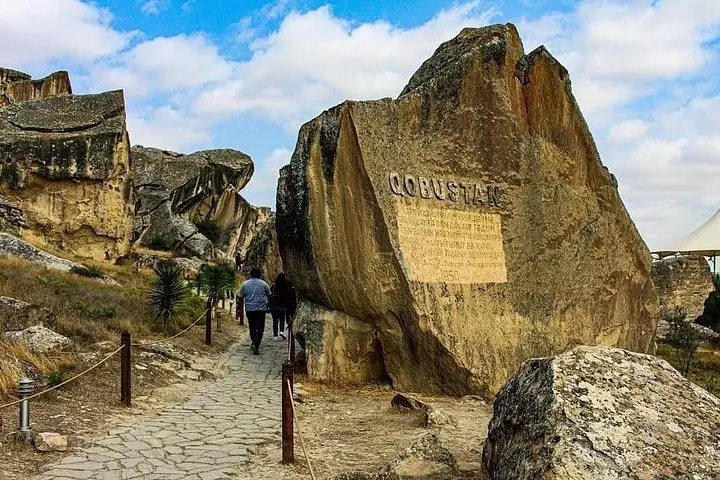
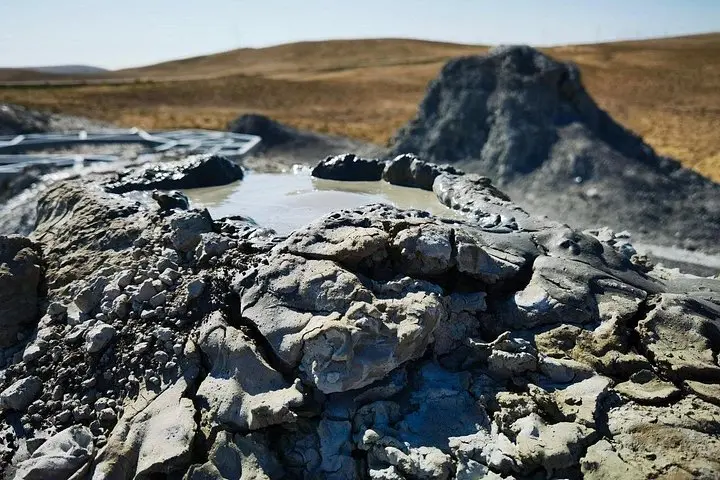
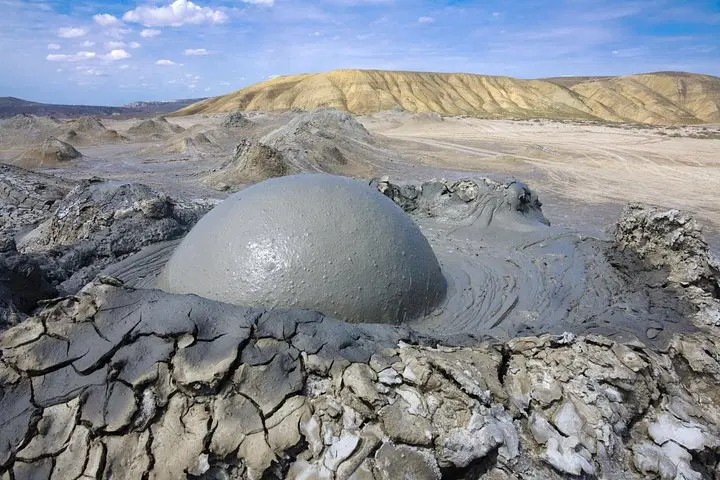
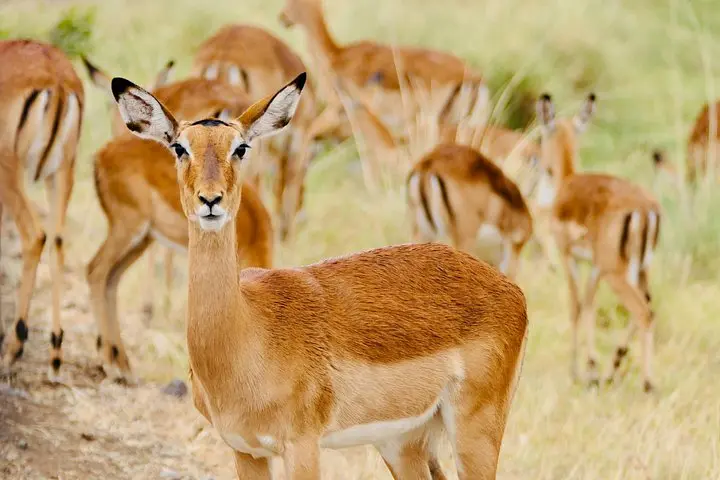
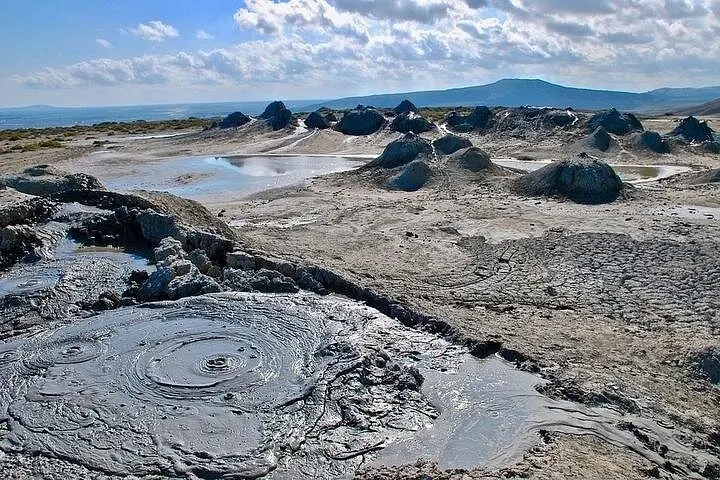
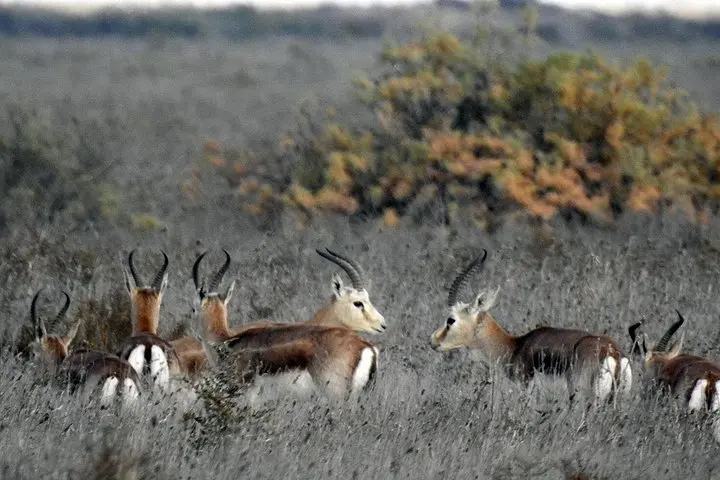
Located about 64 kilometers southwest of Baku, Azerbaijan, Gobustan National Historical and Artistic Reserve is an extraordinary open-air museum renowned for its extensive collection of petroglyphs, archaeological sites, and mud volcanoes. Spanning a semi-arid steppe landscape with rocky outcrops and gulfs along the Caspian Sea, Gobustan has been inhabited intermittently for over 40,000 years. The reserve features over 6,000 rock engravings, many depicting scenes of hunting, dancing, and ritualistic activities, providing invaluable insight into the lives of prehistoric hunter-gatherers and early agricultural communities. Beyond the rock art, visitors can explore ancient settlements, burial mounds, and remains of medieval inhabitants. The geology is notable for its unique mud volcanoes and gas vents, contributing to the region's distinct ecosystem. Outdoor enthusiasts have opportunities for hiking among the rocks, photography of dramatic landscapes, and guided tours explaining archaeological findings. The reserve's blend of cultural heritage and natural features draws historians, archaeologists, and nature lovers alike. Gobustan's designation as a UNESCO World Heritage Site underscores its global significance and encourages preservation while allowing for responsible tourism. Visitors often combine their trip with stops at nearby natural attractions and the Caspian coastline, enhancing the experience of Azerbaijan's cultural and environmental richness.