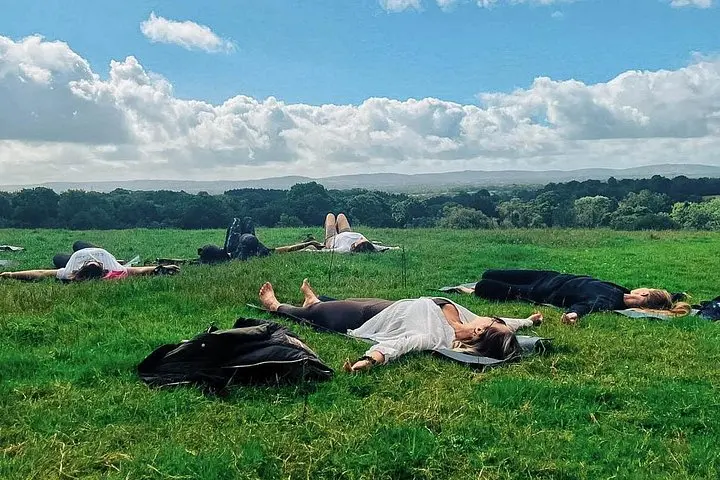
Wilderness Landscape & Natural Heritage
Amberley Wild Brooks is a prominent floodplain habitat located along the floodplain of the River Arun in West Sussex. The area consists primarily of wet grasslands and grazing marshes, intersected by a network of ditches and water channels. This Site of Special Scientific Interest supports a diverse range of wildlife, particularly birds such as lapwing, snipe, redshank, and curlew, which breed and overwinter here. The marshes are seasonally flooded, maintaining a unique wetland ecosystem that sustains rare plants and a variety of aquatic life. Historically, the area has been managed traditionally for grazing, which helps preserve the open landscape and prevents scrub and woodland encroachment. Outdoor recreation opportunities include birdwatching, walking on nearby public footpaths, and nature photography, especially during migration seasons and winter months when bird activity peaks. Visitors are drawn by the peaceful rural character and sense of remoteness, as well as the chance to observe wetland wildlife in a largely undeveloped setting. Access routes are predominantly on foot or via nearby country lanes, and care should be taken to respect land management practices and protected habitats. The area's ecological importance has led to conservation efforts focused on maintaining habitat quality and water management to support the specialized species dependent on the wetlands. Visitors interested in natural history will find Amberley Wild Brooks an excellent site to appreciate floodplain biology and traditional English lowland marshland landscapes.