
Safeguarding Wildlife During Your Chiloquin Trip: A Practical Guide
Chiloquin invites adventurers into a landscape alive with wildlife and rugged beauty. Learn how to safeguard local species and habitats on your trip, ensuring your hike respects the wild while delivering a memorable outdoor experience.
Stay on Marked Trails
Off-trail exploration damages sensitive plant life and interrupts animal habitats. Stick to designated paths to minimize ecological impact.
Carry Out All Trash
Even biodegradable waste can harm wildlife and pollute waterways. Pack out everything to keep the forest healthy.
Keep Noise Levels Low
Loud sounds startle wildlife and break the natural calm. Communicate quietly to observe animals without stress.
Leash Your Dog
Unleashed pets chase and disrupt animals, causing unnecessary stress. Leash dogs to protect local fauna and comply with regulations.
Safeguarding Wildlife During Your Chiloquin Trip: A Practical Guide

Eight Hour Gear Rental
All Ages • Gear for Fishing, Wildlife Observation, and Snow Trips!
Discover the joy of a private fishing adventure in Chiloquin, Oregon, with Sky Lakes Wilderness Adventures' Eight Hour Gear Rental. Perfect for anglers of all levels, this experience offers top-quality equipment and expert guidance for a memorable day on the water.
Chiloquin, Oregon, offers an adventurous gateway into wildlands where forests whisper secrets and rivers challenge your resolve. While the rugged landscape invites exploration, it also demands respect for the lives that call it home. This guide focuses on protecting local wildlife during your journey—because every hiker’s impact counts.
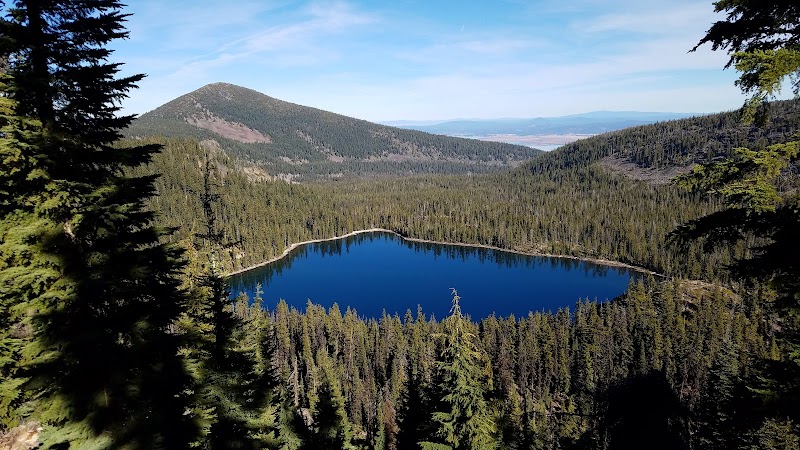
Start your adventure with awareness. Chiloquin’s trails, averaging 5 to 8 miles with elevation gains near 1,000 feet, wind through dense forests and alongside streams that beckon with restless energy. The thick canopy and underbrush harbor animals from elusive deer to bright birds, all fiercely territorial and sensitive to disturbance.
Practical steps ensure that you walk lightly. Keep noise to a minimum, allowing animals to move freely without alarm. Stick firmly to established paths where trampling vegetation is limited—off-trail detours fracture habitats and threaten nesting sites. Your presence is a ripple; make sure it blends, rather than disrupts.
Feeding wildlife is a temptation with its promise of connection, but it breaks natural cycles. Food scraps alter diets and behavior, inviting animals closer to humans and increasing risks for both. Carry out all trash, including biodegradable items. The currents of the Sprague River nearby readily carry pollutants into aquatic ecosystems if carelessly discarded.
Prepare to manage your waste responsibly. Use designated toilet areas and pack out sanitary supplies to keep the forest floor unspoiled. When camping, select established sites to avoid impacting fragile ground and wildlife trails.
Timing plays a crucial role. Early mornings and twilight hours are peak activity times—observe quietly from a distance. Keep dogs leashed; their instincts to chase disrupt local fauna. Cameras and binoculars permit close-up glimpses without intrusion.
Hydration and gear choices contribute indirectly to conservation. Adequate water means less need to source from natural streams, preserving those habitats. Durable boots reduce erosion by stabilizing footing on steep or muddy sections.
Respecting wildlife means recognizing they are not obstacles but neighbors. By tuning into their rhythms and needs—watching quietly, leaving no trace—you transform a hike into a shared experience, one where adventure is enriched by stewardship.
Chiloquin’s wild offers a challenge and a reward. Approach it prepared, alert to nature’s cues, and committed to leaving nothing but footprints behind.
Nearby Trips
All Adventures
Boat Charters
Water Activities
Adventures near Klamath Falls
Discover the unique and memorable adventures that make Klamath Falls special.
Frequently Asked Questions
What wildlife can I expect to see on Chiloquin trails?
Visitors often encounter mule deer, black-tailed deer, various songbirds, and occasionally elk. Early mornings and dusk increase chances of sightings. Be alert but respectful, observing from a safe distance.
Are dogs allowed on the trails?
Yes, but dogs must be kept on a leash at all times. This prevents disturbances to wildlife as many animals treat unleashed pets as predators.
How can I minimize my impact on the environment?
Stick to marked trails, avoid feeding animals, pack out all trash, and avoid loud noises. These actions help preserve natural behaviors and keep the ecosystem balanced.
When is the best time to visit to see wildlife?
Spring and fall offer the best wildlife viewing opportunities due to animal activity levels and mild weather. Mornings are the peak activity periods.
Are there any endangered species in the Chiloquin area?
The region is home to sensitive species such as the spotted owl, which relies on old-growth forest stands. Maintaining a quiet presence and avoiding nesting areas helps protect these birds.
What should I do if I encounter a wild animal on the trail?
Stay calm and do not approach. Give the animal space to move away. Avoid direct eye contact and back away slowly if necessary.
Recommended Gear
Sturdy Hiking Boots
Provides secure footing on mixed terrain and protects against rough surfaces to prevent injury and minimize trail erosion.
Water Bottle or Hydration System
Adequate hydration is critical, especially during warmer months to prevent dehydration and reduce need to use natural water sources.
Binoculars
Allows for respectful wildlife observation from a distance without disrupting animal behavior.
Trash Bags
Carry out all waste and pack out any litter encountered to maintain the pristine quality of the habitat.
Local Insights
Hidden Gems
- "Pine Mountain Viewpoint offers panoramic views rarely crowded by other hikers."
- "A secluded spot along Sprague River known for painted turtles sunning mid-morning."
Wildlife
- "American marten, a rarely seen forest carnivore."
- "Great horned owls active during twilight hours."
History
"Chiloquin sits near the Klamath tribal lands, whose traditional knowledge of the terrain ties deeply to sustainable wildlife interaction and respect for the forest."