
Navigating the Currents: Meeting Points and Transport for Western Massachusetts Paddling Clinics
Western Massachusetts’ rivers call with dynamic currents that challenge paddlers of all levels. This guide maps out essential meeting points and transportation tips for paddling clinics, combining practical advice with a clear preview of the adventure to prepare you for the water’s push.
Arrive Early to Warm Up
Paddling clinics often start early to capture calm water conditions. Arriving 20–30 minutes early lets you prepare gear and get accustomed to the environment.
Wear Grippy Footwear
Launch points can be slippery and uneven. Closed-toe water shoes or sturdy sandals with tread provide safety when entering and exiting the water.
Plan Transport Carefully
Public transport options are limited near launch points. Renting a car or arranging rideshares ensures reliable arrival and departure.
Keep Electronics Dry
Use waterproof bags or dry sacks to protect phones, wallets, and cameras from unexpected splashes or capsizes.
Navigating the Currents: Meeting Points and Transport for Western Massachusetts Paddling Clinics

Teen Beginner Kayak 3 Day Immersion Course
Ages 14-17 | Beginner/Novice Level | Class I-II Rapids
Discover how teenagers can gain confidence on the water with Zoar Outdoor’s 3-day beginner kayak course in Charlemont, MA. Perfect for new paddlers, this immersive experience combines expert instruction with fun riverside adventure.
Western Massachusetts offers paddling clinics that invite adventurers of all skill levels to engage with rivers and lakes that are fiercely alive—currents that challenge, waters that invite steady navigation. The key to embracing these experiences lies not only in mastering your paddle strokes but also in smooth logistics. Knowing where to meet, how to get there, and what to expect transforms your clinic day from a scramble into a streamlined venture.
Most paddling clinics gather at accessible launch points along the Connecticut River and the Deerfield River, two main arteries weaving through the region’s landscape. Locations like the Look Park boat launch in Northampton or the Conway boat ramp along the Deerfield serve as primary hubs. These spots offer ample parking, clearly marked access paths to the water, and often nearby facilities for pre-session preparations.
Transportation logistics hinge on the dispersed nature of these paddling sites. For locals or those driving in from Springfield or Amherst, private vehicles remain the most reliable option. Parking is usually free but limited during peak weekends. For visitors relying on public transport, the Pioneer Valley Transit Authority (PVTA) services several towns nearby, but its routes rarely extend directly to launch points, requiring added coordination such as rideshares or local taxi services.
Timeliness matters. Clinics often start early to take advantage of calmer morning waters—the river’s playful currents are less demanding, offering safer conditions while the sun is rising. Arriving 20-30 minutes prior to the session offers time to rig gear, warm up, and orient yourself with the group.
Packing light but smart aids mobility. Carry waterproof bags for valuables and bring layered clothing suited to river spray and shifting temperatures. Footwear with good grip is essential as launch areas can be slippery and uneven. Hydration and snacks should be upheld—though clinics are typically a few hours, dehydration creeps on unnoticed if not prepared.
If you’re new, expect a brief orientation on accessing these meeting points—clinic hosts usually send detailed maps and GPS coordinates. For seasoned paddlers, knowing the hidden access points along less crowded tributaries can offer a more intimate connection to the wild water.
Ultimately, the rivers here are a force of nature with their own rhythms, daring you to keep pace and respect their whims. Your journey begins long before you dip your paddle, with every practical move positioning you closer to the water’s pulse and all the adventure it brings.
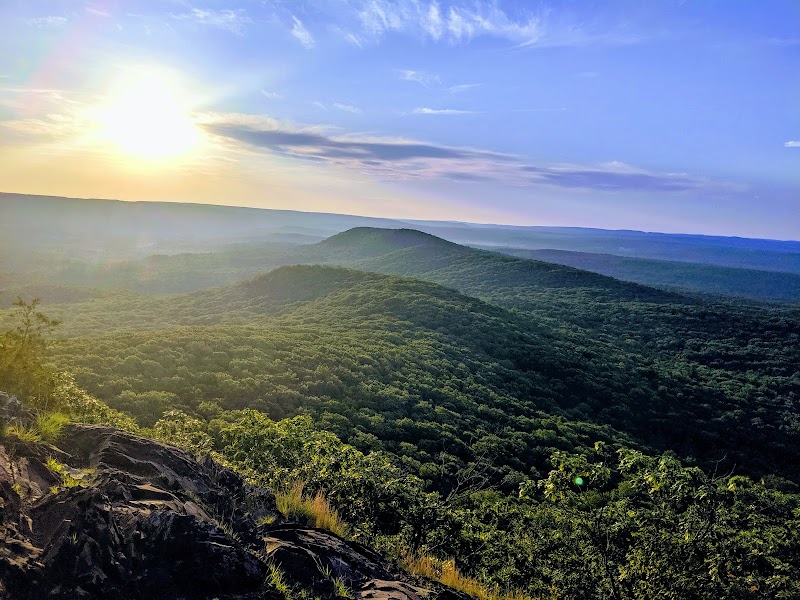
Nearby Trips
All Adventures
Boat Charters
Water Activities
Adventures near Northampton
Discover the unique and memorable adventures that make Northampton special.
Frequently Asked Questions
What are the primary meeting points for paddling clinics in Western Massachusetts?
Key gathering spots include Look Park in Northampton along the Connecticut River and the Conway boat ramp on the Deerfield River. Both offer parking and easy water access.
Is public transportation available to paddling clinic sites?
Public transit options like PVTA service the general area but rarely bring you directly to launch points. Organizing a car rental or rideshare is most practical.
What skill level is required to join these clinics?
Most clinics cater to beginners through intermediates, focusing on safety and technique with moderate physical demands.
Are paddling clinics seasonal, and what is the best time to attend?
Clinics primarily run from late spring through early fall to avoid cold water hazards and inaccessible roads during winter.
Can I bring my own gear or is it provided?
Many clinics offer rentals for kayaks or canoes and paddles, but bringing your own equipment ensures comfort and quick adaptation.
What environmental considerations should attendees be aware of?
Paddlers should avoid disturbing wildlife, adhere to carry-in carry-out policies, and respect waterway regulations to maintain river health.
Recommended Gear
Personal Flotation Device (PFD)
Mandatory for safety; ensures buoyancy in moving water and provides added security in case of capsizing.
Waterproof Dry Bag
Keeps essentials like phones, keys, and snacks dry even if splashed or briefly submerged.
Layered Clothing
Quick-drying and insulating layers protect from cold water spray and changing weather.
Water Shoes
Provides grip and foot protection on slippery launch sites and rocky shores.
Local Insights
Hidden Gems
- "The river bend near Haydenville offers a quiet spot with less current, ideal for practicing strokes."
- "The ‘Devil’s Washbowl’ on the Deerfield River presents a dramatic natural pool worth viewing post-session."
Wildlife
- "Look for herons stalking fish near shores and the occasional bald eagle soaring overhead, a reminder of the river’s thriving ecosystem."
History
"The Connecticut and Deerfield Rivers have long served as trade routes and natural borders, with Native American heritage deeply tied to these waters shaping early settlement."