
Timing Your St. Joe Bay Cruise: Weather and Seasonal Insights for Peak Adventure
Cruising St. Joe Bay offers a unique blend of serene waters and coastal excitement shaped by seasonal shifts. Learn the best times and weather conditions for your adventure to navigate the bay safely, comfortably, and in harmony with its natural rhythm.
Check Weather Forecasts Before Departure
Local weather patterns can change rapidly, especially in summer. Always review the forecast for thunderstorms and wind conditions to avoid dangerous situations on the water.
Start Early for Calm Waters
Morning cruises generally experience lighter winds and smoother water, perfect for beginners and photographers looking to capture still reflections.
Bring Layered Clothing
Temperatures can swing widely, especially in cooler months. Layers help you adapt quickly from warm sun exposure to chilly winds on open water.
Pack Hydration and Sun Protection
The sun’s reflection off the water intensifies UV exposure. Drink plenty of water and use high SPF sunscreen with a wide-brimmed hat for protection.
Timing Your St. Joe Bay Cruise: Weather and Seasonal Insights for Peak Adventure

St Joseph Bay Touring
For all ages! • 4 Hours • Up to 4 People
Join T-Man's Charters for a peaceful boat ride across St Joseph Bay, where vibrant waters and sandy beaches await. Discover marine life and unwind in this relaxing coastal escape, perfect for all ages.
St. Joe Bay pulls you into its rhythm with waters that beckon and winds that steer your course through one of Florida’s lesser-known coastal treasures. Cruising these emerald waves is an experience shaped profoundly by when and how you set sail. Optimal timing hinges on understanding the bay’s shifting mood through its seasons and weather—each bringing a distinct character and challenge to your voyage.
The prime window for a smooth and rewarding St. Joe Bay cruise spans late spring to early fall, roughly May through October. This period aligns with warm, stable weather where tranquil mornings and gentle afternoon breezes set the stage for exploration. The bay’s water temperature rises, inviting a closer encounter with the marine life darting below your vessel. Be mindful, though, that summer’s heat can rally afternoon thunderstorms with fierce gusts that demand a swift return to shore.
Winter months, from December to February, paint a cooler, brisk picture. While the bay’s currents calm and skies clear, temperatures dip, making water activities less comfortable without proper gear. Winds can stiffen, turning the calm bay into a testing ground for even experienced sailors. Early spring thaw invites a delicate balance of cool air and warming water—unpredictable but often rewarding as the bay wakes.
Consider tides and wind patterns as your unseen navigators. Morning hours often offer minimal wind, ideal for beginners or those seeking a peaceful connection with the water’s surface. Afternoon breezes rise with the sun’s heat, providing just enough push for exhilarating speed without losing control. Avoid late-day cruises during summer thunderstorms common to the region’s climate; they arrive suddenly and with authority.
Practical preparation is your best ally. Pack layered clothing to counter swift temperature shifts, a reliable marine radio to stay in touch with changing conditions, and sufficient hydration to beat the sun’s unrelenting pull. Footwear with good grip is indispensable—a boat deck can hide slick patches that dare you to misstep. Sunscreen, polarized sunglasses, and hats are straightforward yet essential against the bay’s reflective glare.
St. Joe Bay’s waterway is as much a journey through light and shadow as it is through salt and breeze. Hidden oyster bars peek just below the surface, daring you to navigate carefully. The bay’s edges pulse with birdlife—an osprey circles overhead, its keen eyes scanning the water for a lunch catch. Mangroves cling fiercely to the shoreline, not just a backdrop but a living boundary guarding this dynamic ecosystem.
Planning your trip with these weather and timing insights lets St. Joe Bay reveal its full character—an adventure that’s both inviting and demanding. Respect the bay’s currents and climate moods, and you’re rewarded with a cruising experience that’s both thrilling and thoroughly manageable. Your journey here is a conversation with a natural force that is fiercely itself, waiting to shape your adventure on its terms.
Nearby Trips
All Adventures
Boat Charters
Water Activities
Adventures near Port St. Joe
Discover the unique and memorable adventures that make Port St. Joe special.
Frequently Asked Questions
When is the best time of day to cruise St. Joe Bay?
Early morning offers the calmest waters and light winds, ideal for smooth sailing and photography. Late afternoon brings stronger winds, good for experienced sailors seeking more thrilling conditions but also increased risk of storms in summer.
Are there any specific weather patterns to watch out for on the bay?
Yes, afternoon thunderstorms especially in summer can develop quickly, producing strong gusts and heavy rain. Always plan to be docked or in safe harbor before storm windows, and keep an eye on marine weather alerts.
How cold does the water get in winter, and is it safe for all watercraft?
Water temperatures can fall to the mid-50s°F (around 13°C) in winter. While safe for kayaking and cruising with proper gear, swimmers should be cautious, and motorized vessels need to be prepared for windier conditions.
Are there any lesser-known spots in St. Joe Bay worth exploring?
The eastern oyster bars and narrow mangrove channels often go unnoticed but offer unique wildlife viewing and navigating challenges that seasoned adventurers appreciate.
What wildlife can I expect to see during a cruise?
Look for osprey hunting overhead, dolphins playing near the surface, and herons stalking shallow edges. Seasonal migrations also bring numerous waterfowl and occasionally manatees to these warm bays.
Is there any historical significance related to St. Joe Bay?
St. Joe Bay was historically vital for local fishing communities and early maritime trade. Evidence of Native American use and historic settlements exists along its shores, connecting the cruise experience to deeper cultural roots.
Recommended Gear
Layered Quick-Dry Clothing
Allows you to adapt to temperature and weather changes during your cruise, keeping you comfortable.
Marine Radio or Weather Alert Device
Critical for timely weather updates and communication in case conditions suddenly worsen.
Polarized Sunglasses
Reduces glare from the bay’s surface, improving visibility and protecting your eyes.
Non-Slip, Closed-Toe Footwear
Ensures safety and stability on wet, sometimes slick boat decks or piers.
Local Insights
Hidden Gems
- "Oyster bars east of Shell Point – tidal areas with high marine biodiversity"
- "Mangrove-lined creeks ideal for quiet wildlife observation"
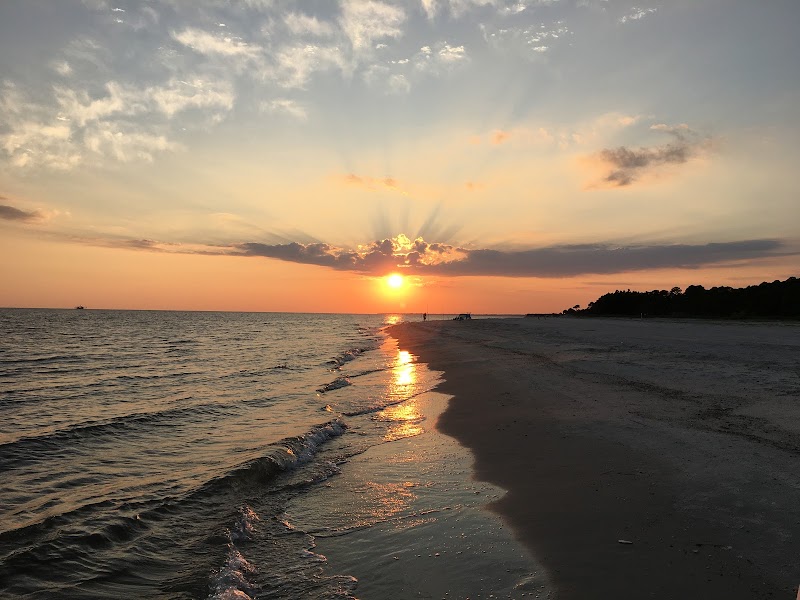
- "Abandoned piers near St. Joe Beach that frame striking sunset views"
Wildlife
- "Osprey"
- "Bottlenose dolphins"
- "Manatees"
- "Great blue herons"
- "Various migratory shorebirds"
History
"The bay played a key role in regional development, linking fishing villages and trading routes since Native American occupation through early settlers in the 19th century."