About this landmark
Kalidonia Waterfall: Cyprus’ Hidden Gem
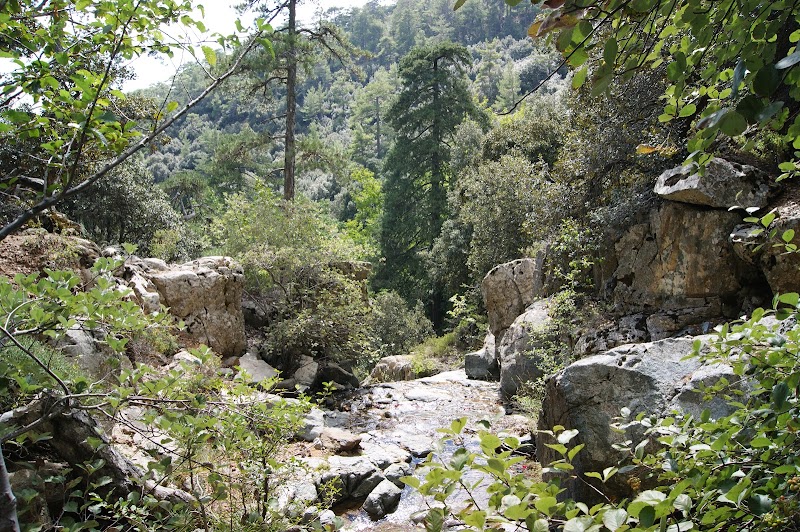
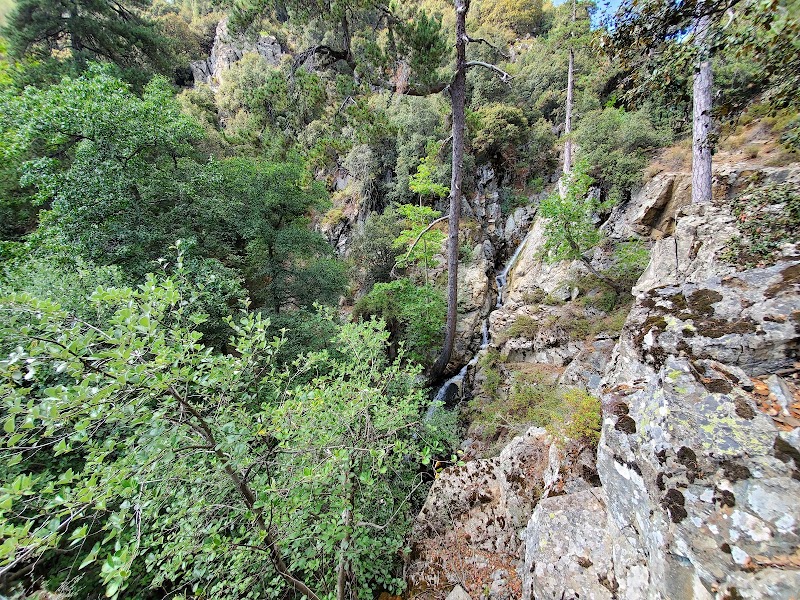
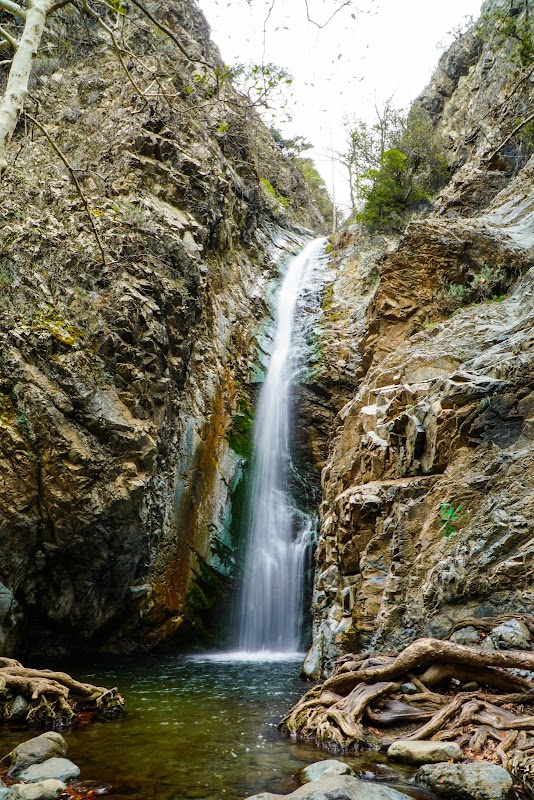
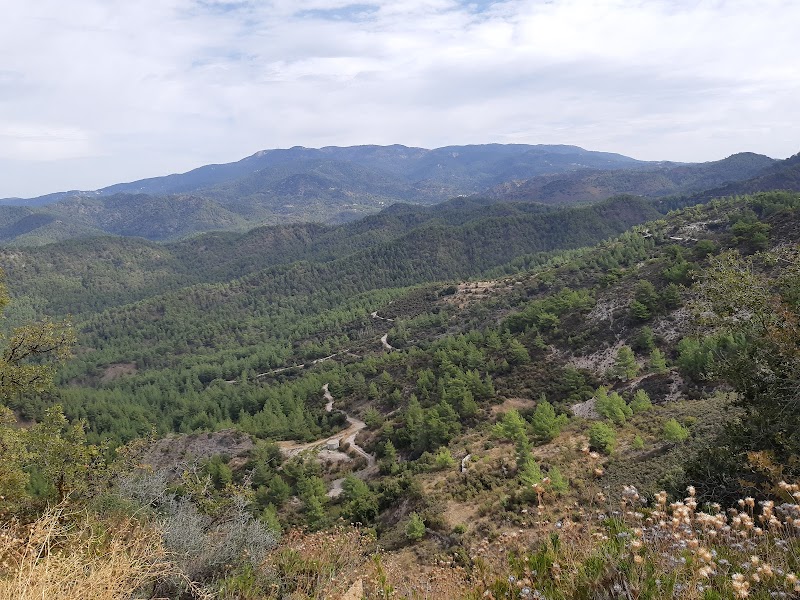
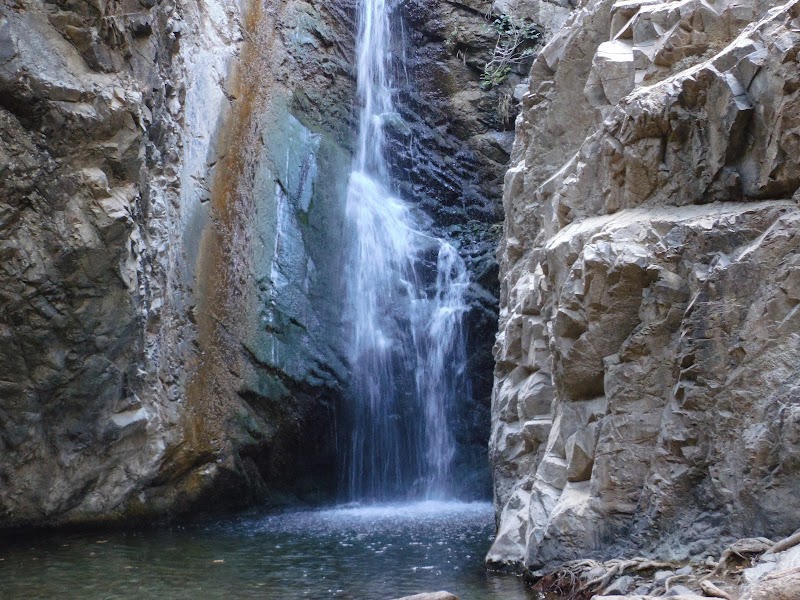
Kalidonia Waterfall cascades beautifully amidst the lush forests of Pano Platres, Cyprus. Tucked away within the Troodos Mountains, this serene waterfall is one of Cyprus's natural treasures, drawing nature enthusiasts and hikers alike. At roughly 12 meters tall, the waterfall creates a soothing ambiance as water flows over rugged rocks into a tranquil pool below. Surrounded by dense greenery, it offers a refreshing contrast to Cyprus’s sun-kissed coastlines.
The Troodos Mountains are renowned for their biodiversity, and visitors to Kalidonia can experience a rich tapestry of plant life, including pine and plane trees, while listening to the gentle murmurs of nature that permeate the air. The flora offers shelter to diverse fauna, including several bird species, making it a fantastic location for birdwatching. Historically, the name "Kalidonia" is thought to have been inspired by a visit from a Scottish Governor in the 19th century, reminiscent of his homeland of Caledonia.
Visit Kalidonia Waterfall and immerse yourself in Cyprus’s natural charm, where each step uncovers unique sights and sounds.
Adventure Guide to Kalidonia Waterfall
Hiking Kalidonia Nature Trail
- Location: Starts in Pano Platres, Cyprus.
- What makes it special: This trail offers stunning views, traversing through rich forest landscapes, leading directly to the waterfall.
- Features: Well-marked paths, birdwatching opportunities, and picnic spots.
- Local Insights: The trail is about 2 kilometers long, combining nature with history, as it follows paths used by ancient civilizations.
- Visitor Tips:
- Best visited in spring for blooming flora.
- Bring hiking boots and water.
- Accessible by a 1.5-hour drive from Nicosia.
Photography at Kalidonia Waterfall
- What makes it special: Picturesque scenery that captures the essence of Cyprus's natural beauty.
- Features: Waterfall provides a perfect backdrop, especially during golden hour.
- Visitor Tips:
- Arrive early to capture morning light.
- Carry a camera and tripod.
Wildlife Observation
- What makes it special: Spot rare birds and small mammals in their natural habitats.
- Visitor Tips: Bring binoculars and a guidebook on local fauna.
Visitor Tips
- Best Times:Spring for favorable conditions and optimal lighting.
- What to Bring:Plenty of water, sun protection, a camera, and respectful Leave-No-Trace mindset.