About this landmark
Socotra's Alien Beauty
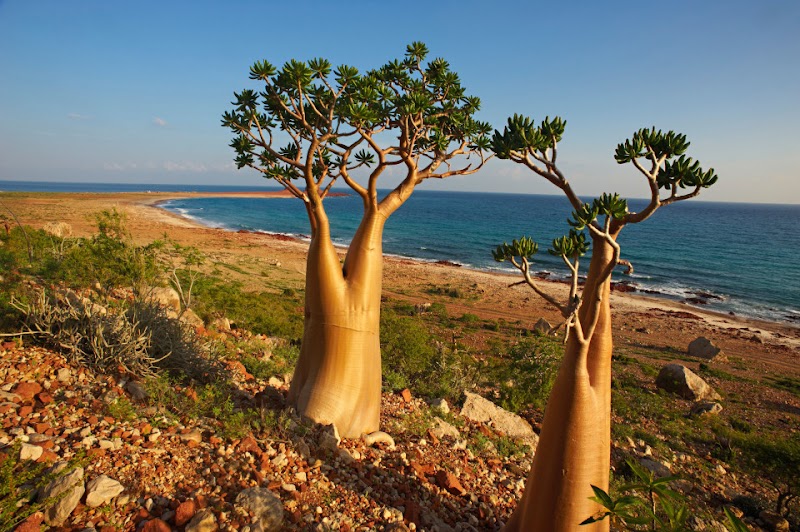
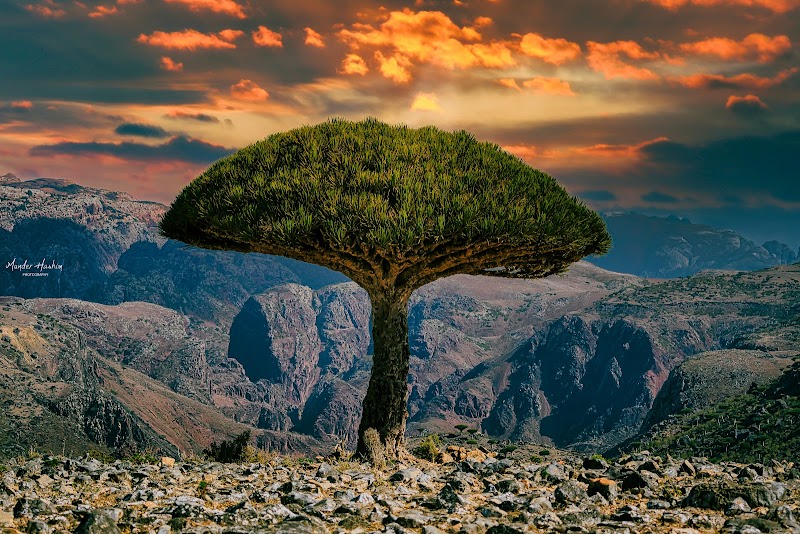
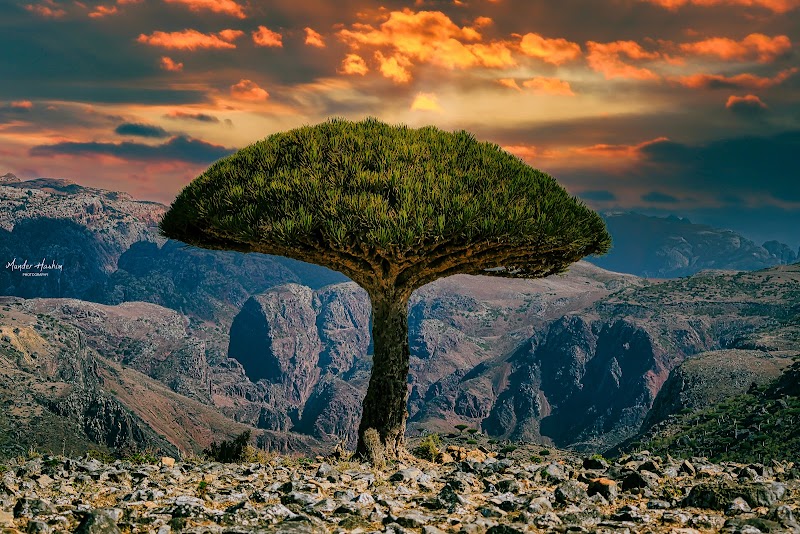
Socotra, an enchanting island off the coast of Yemen, is a natural wonder that captivates visitors with its otherworldly landscapes. Known for its unique flora, particularly the iconic Dragon's Blood Trees, this remote archipelago is a treasure trove of biodiversity. These umbrella-shaped trees, with their red sap, have become synonymous with the island's mystique, creating a scene unlike anywhere else on Earth.
The island's peculiar plant life, which has evolved in isolation for millions of years, includes several species found nowhere else. Socotra’s sandy beaches, limestone plateaus, and rugged mountains provide habitats for species uniquely adapted to its challenging environment. Beyond its ecological marvels, Socotra is slowly opening up to explorers seeking to experience its surreal landscapes and extraordinary nature.
Visitors are often awestruck by the island's beauty and ecological importance, living proof of evolution’s creativity. Discover the magical allure of Socotra and immerse yourself in its serene yet captivating environment.
Adventure Guide to Socotra
Camping at Arher Beach
- What Makes It Special: Nestled between giant sand dunes and the sea, Arher Beach is the perfect spot for camping. The unique combination of fresh water springs and sand dunes offers striking scenery.
- Visitor Tips: Best visited in late winter or early spring to avoid summer heat. Bring sturdy tents, plenty of water, and sun protection.
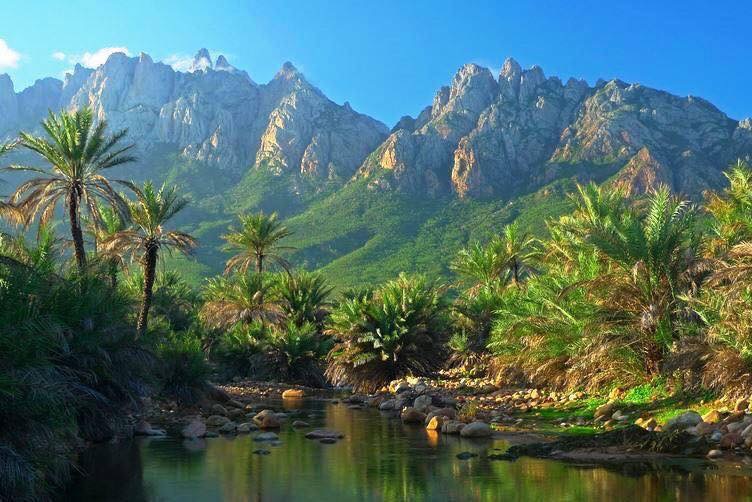
Hiking in the Haghier Mountains
- What Makes It Special: The dramatic peaks of the Haghier Mountains promise mesmerizing views and a chance to see rare plant species.
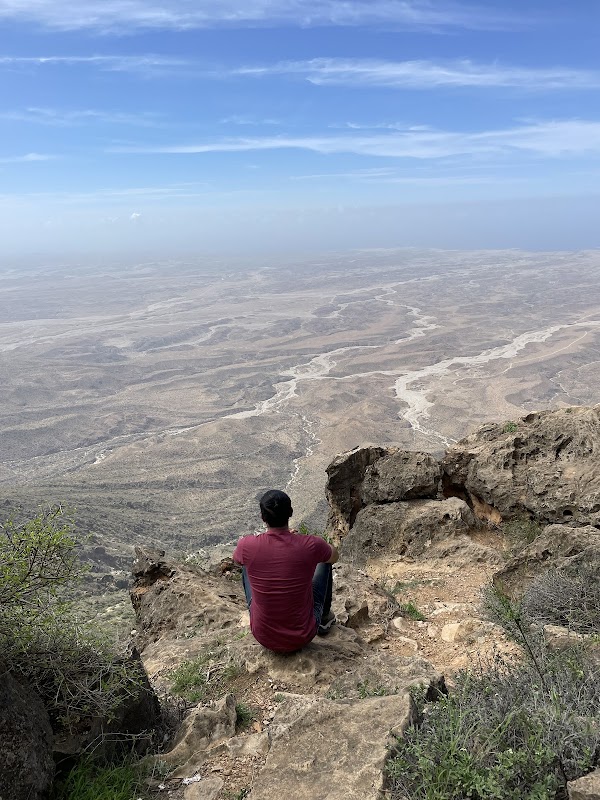
- Visitor Tips: Ideal for experienced hikers. Visit during cooler months. Essentials include hiking boots, water, and navigation tools.
Exploring Homhil Nature Reserve
- What Makes It Special: Famous for its pools and alien-like landscapes dotted with Dragon's Blood Trees.
- Visitor Tips: Accessible with a guide. Late autumn is best. Bring swimming gear to enjoy natural pools.
Visitor Tips
- Best Times:Late Winter to Early Spring for favorable conditions and optimal lighting.
- What to Bring:Plenty of water, sun protection, a camera, and respectful Leave-No-Trace mindset.