
What the day feels like
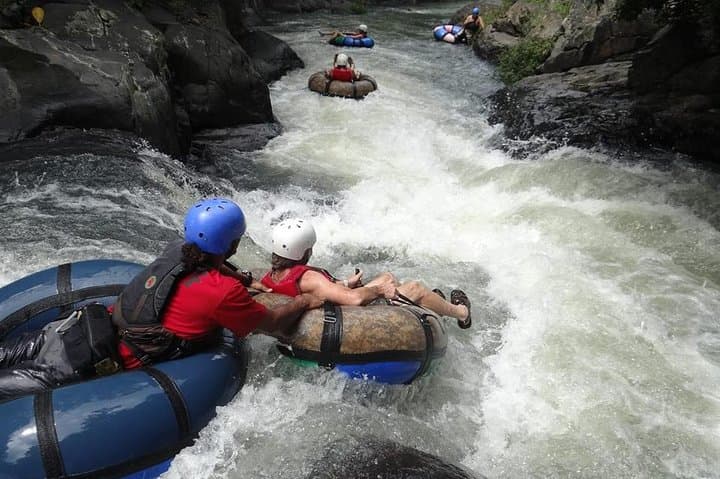
You step off the van and the air changes. The salt-tinged breeze from Tamarindo fades and the scent of earth and wet leaves settles in—damp, mineral-rich, and a little metallic around the fumaroles. For the next eight hours you are in the foothills of Rincón de la Vieja, a volcanic complex that still flexes beneath the highlands of Guanacaste. This is not a postcard beach day; it is a day of movement and decision. There are ropes to trust, a river to read, and hot springs hidden by jungle canopy that feel like a reward you earned by getting there. The Full-Day Canyon Adventure Tour From Tamarindo Beach strings together four distinct experiences—canopy and ferrata wall, rock climbing and rappelling, river tubing on Río Colorado, and thermal hot-spring relaxation—into a single, satisfying loop that shows a wild, lesser-known side of Costa Rica's northwestern interior. The geology here insists on variety. Rincón de la Vieja is a volcanic complex made of lava domes, fumaroles, and hot springs, and the foothills are a mix of steep gullies and carved canyons where water has been negotiating lava and ash for millennia. Trails thread through dry tropical forest that bursts with orchids and heliconias in the rainy months and turns brittle during the dry season. The river—clear, tannin-stained, and at times quick—acts like a local character, nudging you into action when it swells or lying flat and lazy on calm days readying itself for tubing. Culturally, this region is a crossroads: traditional Guanacaste ranching and cowboy (sabanero) culture meet a growing adventure-tourism economy. Many guides on the tour come from nearby communities and combine technical training with local knowledge—where to find a particular viewpoint, which hot spring pools run hottest, or how to listen for the raptors that patrol the ridgelines. The day begins with a short but purposeful hike to the activity staging point where guides fit harnesses and helmets, and run a quick safety briefing. The ferrata and canopy section is both exposed and guided—metal rungs and fixed lines let you move along the rock face with a sense of control even as the forest drops away below you. Expect a handful of assisted rock climbs and at least two rappels that require a brief learning curve but are fully guided; the sensation is decisive: gravity is asking you to participate and you answer by trusting the equipment and guide commands. After the vertical work, you trade chalk for a tube. Río Colorado’s current is one of the day’s moods—steady enough to feel like a glide, quick enough in sections to make you laugh and shout as you float through narrow sections and rounded boulders. Guides know the swelling patterns and choose the timing to keep the ride playful rather than perilous. The finale is a soak in volcanic-fed hot springs, the kind of elemental contrast that makes the day cohere: the heat wraps around you after the river cools your skin, and steam rises into a canopy of trees. Practicalities matter: this is an eight-hour outing, with active transitions and mixed terrain. The length and variety mean you’ll want to be fit enough for several hours of hiking, scrambling, and standing in harness; you do not need prior technical experience—this tour is guided and beginner-friendly—but you should be comfortable with basic movement on uneven ground and with heights. Guides supply technical gear like harnesses, helmets, and ropes; bring your own quick-dry layers, closed-toe shoes with good grip, and a small daypack for snacks and water. Timing is tactical: start early in the dry season for more stable conditions and warmer hot springs; in the rainy season, expect mid-day showers that can raise river levels and make some sections more thrilling. Safety is baked into the itinerary—briefings, redundancy in rigging, and local guide knowledge—but weather is the wild card. This itinerary is perfect for travelers who want an active, varied day that feels genuinely outdoorsy without the logistical burden of DIY canyoning. It’s also a good fit for mixed-level groups: the guided nature of the activities means children and less-experienced adventurers can participate if comfortable. For photographers, there is a pleasing variety: tight gorge light, overhead canopy frames, and steam-and-water abstracts in the hot springs. The tour’s rating and reviews reflect reliable guide teams and a strongly organized day-length structure; what you sacrifice in personalized itinerary choice you get back in seamless transitions and gear support. Bottom line: If your Costa Rica trip is mostly sand and surf but you have one day to push inland, this tour is the perfect contrast—a concentrated package of adrenaline, landscape, and thermal reward that reveals a volcanic interior few beach days ever touch.
Trail wisdom
Small choices, better day.
Start Early
Departures typically begin morning—earlier starts avoid heat and afternoon showers, and deliver calmer river conditions.
Footwear First
Wear sturdy, closed-toe shoes with aggressive tread—river sections and ferrata approaches are slippery.
Hydrate and Snack
Bring 1–2 liters of water and energy snacks; the full-day itinerary is active and guides may not carry full personal supplies for you.
Trust the Guide
Technical sections are guided—listen to instructions on belays, body position, and river etiquette to stay safe.
Local knowledge
Read the place, not just the route.
Watch for native species including Howler monkey, Turquoise-browed motmot.
Keep an eye out for wildlife during the transition between areas and habitats. Respect distance guidelines.
This area balances tourism with protected volcanic lands; stick to trails, avoid stepping on vegetation, and follow guide instructions to minimize impact on fragile riparian zones.
Follow the guide's instructions on size limits, ethical handling, and leave-no-trace practices.
Small geothermal pools off the main hot-spring area that are quieter midweek. A lookout ridge near the start point with a sweeping view of the Nicoya Gulf on clear mornings
Locally recommended viewpoints and quiet spots known best to local operators.
The Guanacaste region blends indigenous Chorotega influence and Spanish colonial ranching traditions; ranchos and trails here were historically used for cattle drives that shaped the local landscape.
Maritime roots and regional tradition shape the waterways and working coasts.
Seasonal guide
Four versions of the same landscape.
Spring
Best forDry-season hikes · Clear ferrata days · Warm hot springs
ChallengesTransition rains possible · Dusty trails early season
Late dry-season days are stable and warm, ideal for the ferrata and hot springs; pack sun protection and a light rain layer for unpredictable showers.
Summer
Best forLush forest photography · Higher river flows for tubing
ChallengesAfternoon thunderstorms · Slippery approaches
Summer brings more greenery and fuller rivers—good for dramatic tubing but prepare for wet footing and potential delays.
Fall
Best forLower crowds · Warm springs
ChallengesHeavier rains later in season · Trail erosion in places
Early fall can still be good if rains are moderate; guides monitor river conditions closely and may alter routing for safety.
Winter
Best forConsistent dry weather · Best visibility
ChallengesBusier with tourists · Hot springs more popular
Dry-season winter months offer the most predictable conditions and the warmest, sunlit hot-spring soaks—expect more visitors.
Operator details
What the booking data adds.
Included
- ✓Buffet lunch
- ✓Professional art historian guide
- ✓Activities
- ✓Hotel pickup and drop-off (selected hotels only)
Not included
- —Alcoholic drinks (available to purchase)
Good to know
- ✓Not recommended for travelers with spinal injuries
- ✓Not recommended for pregnant travelers
- ✓Specialized infant seats are available
- ✓Travelers should have at least a moderate level of physical fitness
- ✓Children must be accompanied by an adult
- ✓A current valid passport is required on the day of travel
- ✓A minimum of 2 people per booking is required
Pack with intention
What to bring.
Good to know
Common questions.
No—this is a guided experience designed for beginners through experienced adventurers; guides provide technical gear and instruction for rappels and ferrata sections.
Plan the edges
The details that make the day easier.
Rincón de la Vieja is one of Costa Rica’s active volcanic complexes and its geothermal features feed many of the hot springs in the surrounding foothills.
After the day’s exertion, head back toward Tamarindo for fresh ceviche or casados at a local sodal; Playa Flamingo has excellent seafood dinners and small beers for cooling down—ask your guide for a recommended ranch-style gallo pinto stop on the way back.
- Closest airport
- Daniel Oduber Quirós International Airport (Liberia, LIR) ~1–1.5 hours drive; Typical pickup: Tamarindo
- Playa Flamingo area; Driving distance from Tamarindo
- ~1–1.5 hours; Cell service: intermittent in canyons; Permits: none required for the tour—operator handles access.
Guides operate in sensitive riparian and volcanic environments—pack out trash, avoid disturbing wildlife, and follow all route instructions to reduce erosion and habitat impacts.
Explore by topic
Follow the threads.
Keep exploring
Make the story part of the trip.
 Related story
Less than two hours from Nairobi, Kereita Forest pairs hands-on canopy adventure with quiet montane trails and a sobering colonial history—perfect for families, teams, and curious travelers seeking a full-day pulse of nature.
Set out from Bass Harbor for a private, customizable day on Blue Hill Bay — lighthouses, puffins, seals, and the chance to feel Acadia from the water. Small groups, local captains, unforgettable views.
In four hours you can move from shaded canyon ferns to wind-scoured coastal ridgelines, guided by someone who knows where the light—and the hidden views—live. This private half-day hike on the Monterey Peninsula or Big Sur is compact, curated, and perfect for travelers who want depth without a multiday commitment.