
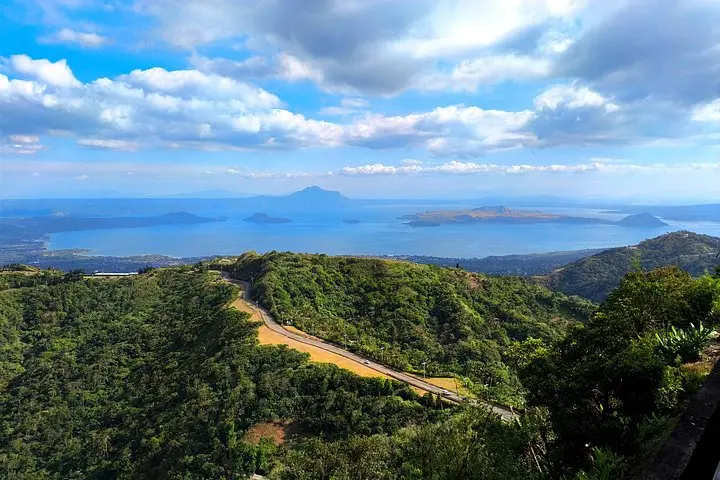
What the day feels like
You feel the lake before you see it. From the rim of Tagaytay the air thins and cools, the bustle of Metro Manila shrinking into a distant hum, and then the eye is drawn down—a perfect blue bowl split by a smoking island, a lake within a volcano within a lake. On a clear morning the light slants across Taal Lake in sheets; fishermen push small outrigger bangkas into a glassy surface that seems to dare you to cross it. The tour begins with this invitation: a short drive out of Tagaytay, a quick transfer to a wooden boat, and the slow, steady chop as the wake pushes you toward something that looks improbably small and impossibly wild.
The ride itself is more than transport. The boat hums, the pilot knows the currents and where wind will toss spray into your face, and the lake—patient, moody—seems to push you toward the island as if testing your resolve. There are moments when the crater looks like a painted set: cliffs dropping vertical into a green rim, a smaller lake inside the island’s hollow. Then you land on the ashy shore, follow a short, steep path, and find the viewpoint where steam breathes from the fumaroles and the crater lake sits like a quiet eye.
Taal’s story is written in fire and water. Geologically, it’s a caldera complex formed by repeated eruptions over thousands of years, and today it’s one of the Philippines’ most active volcanoes—small in stature (its highest point is about 311 meters), but with a dramatic legacy. Spanish missionaries mapped it in the 16th century; local folklore ties the land to elemental forces; and in modern times the volcano’s eruptions—most recently in 2020—have shaped livelihoods, emergency procedures, and how visitors approach the site. That history is visible: abandoned settlements along the lake’s rim, terraces reclaimed by nature, and communities that read the mountain’s moods closely.
Culture here is lake culture. The towns around Taal Lake—Talisay, San Nicolas, Agoncillo—are fishing towns first, tourist towns second. From Tagaytay you can taste the region’s slow-food rhythms: grilled freshwater fish at a lakeside eatery, coffee farms that trade in the mountain’s cool breeze, and vendors who’ve learned to balance local life with a steady trickle of visitors seeking the sight of smoke against sky.
Practically: the experience is straightforward but demands respect. The typical tour is an eight-hour day—pick up in Tagaytay, a scenic stop at People’s Park in the Sky for views of the lake, a launch from a lakeside barangay, a 30–45 minute boat ride across often-calm waters, and then a brisk 20–45 minute hike up to the crater rim depending on your pace and conditions. The trail is short and steep, composed of volcanic ash, loose rock, and mud when wet—expect traction to be inconsistent. Guides and local boatmen manage logistics; in some seasons horses are offered but, given their variable treatment and risk on unstable slopes, many guides discourage their use.
Timing matters. Early mornings bring the clearest water and the coolest air; afternoons can produce winds that chop the lake and cloud the crater in steam. Because Taal is active, access can change quickly—always check current volcanic alert levels and travel advisories. Respect exclusion zones and the advice of local authorities; the volcano isn’t a postcard, it’s a dynamic system that sometimes refuses visitors.
For planners: the trip is accessible to most adventurers with a basic level of fitness. Footwear with good tread, sun protection, and at least a liter of water will keep you comfortable. Bring a light windbreaker for the crater rim—steam and wind can make the air feel sharp. Photography rewards patience: dawn and low sun emphasize the color of the lake and the layers of cliffs, while a polarizing filter reduces glare on the water. Practically every tour wraps these elements into one clean day, price points starting around the advertised rate, and usually runs with instant confirmation and flexible cancellation—handy given how weather and alerts can change plans.
This is an experience of contrasts: placid lake to volatile vent, tourist infrastructure to fishing village life, quick boat chop to the silent green of the crater lake. It’s not a technical climb, but it demands attention—trail underfoot, ash in the air, and the knowledge that you’re standing on an active volcano. Do it with a guide who knows the lake and the language of the mountain, leave no trace, and let the place keep some of its mystery.
Why go? Because Taal is compact in a way few volcanic experiences are—it’s possible to cross a lake, hike to a crater, photograph steam vents, and be back in a Tagaytay restaurant before dark. It’s a full-sensory day that pairs easy logistics with elemental scenery. For travelers who want a big geological story in a small footprint, it’s one of the Philippines’ most direct invitations to stand somewhere wild and watch the land breathe.
If you go: pick the morning for calm water, hire a local guide, and carry the essentials. Leave the single-use plastic behind, respect the lake’s communities, and remember that a small island can have the power of a continent under the surface.
Trail wisdom
Small choices, better day.
Start Early
Depart at dawn for calmer water, cooler air, and better light for photos.
Grip Over Speed
Wear shoes with good tread—ash and loose rock make the short climb deceptively slippery.
Respect Volcanic Alerts
Check the Philippine Institute of Volcanology and Seismology (PHIVOLCS) alert level before booking; access can be restricted at short notice.
Bring Local Cash
Small fees, guide tips, and lakeside snacks often require cash—ATMs are limited near the launch points.
Local knowledge
Read the place, not just the route.
Watch for native species including Kingfishers and egrets around the lake, Occasional monitor lizards along the shoreline.
Keep an eye out for wildlife during the transition between areas and habitats. Respect distance guidelines.
Support local operators and avoid single-use plastics; the lake’s fisheries and shoreline habitats are sensitive to pollution and unmanaged tourism.
Follow the guide's instructions on size limits, ethical handling, and leave-no-trace practices.
People’s Park in the Sky—panoramic vantage point above Tagaytay often overlooked for quick photos. Lakeside fish markets in Talisay for grilled tawilis and local lake delicacies
Locally recommended viewpoints and quiet spots known best to local operators.
Taal has been a focal point in Philippine history since Spanish colonial times; settlements around the lake have been affected by recurrent eruptions for centuries.
Maritime roots and regional tradition shape the waterways and working coasts.
Seasonal guide
Four versions of the same landscape.
Spring
Best forCooler mornings · Less haze for photos
ChallengesIntermittent showers · Muddy trails after rain
Spring (dry-to-wetting transition) offers crisp mornings and good visibility, but occasional rain can make the ash trail slippery.
Summer
Best forLong daylight hours · Warm, clear skies
ChallengesHeat and sun exposure · Afternoon winds on the lake
Summer brings longer days and clear views; pack sun protection and aim for an early start to avoid wind and heat.
Fall
Best forStable weather · Comfortable temperatures
ChallengesTourist peak days · Variable lake conditions
Fall is often the most pleasant window for balanced weather and comfortable hiking conditions—expect more visitors on weekends.
Winter
Best forDry-season clarity · Calm mornings for smooth boat rides
ChallengesCooler early mornings · Occasional ash or steam if activity increases
The Philippines’ dry season (Nov–Feb) gives the best visibility and calm water—ideal for photographs and comfortable travel.
Operator details
What the booking data adds.
Included
- ✓In-person Guide: English
- ✓Snacks
- ✓All Fees and Taxes
- ✓Air-conditioned vehicle
Not included
- —Lunch
Good to know
- ✓Wheelchair accessible
- ✓Infants and small children can ride in a pram or stroller
- ✓Public transportation options are available nearby
- ✓Infants are required to sit on an adult’s lap
- ✓Transportation options are wheelchair accessible
- ✓Not recommended for travelers with poor cardiovascular health
- ✓Suitable for all physical fitness levels
Pack with intention
What to bring.
Good to know
Common questions.
The crossing typically takes 30–45 minutes depending on launch point and lake conditions.
Plan the edges
The details that make the day easier.
Taal Volcano is notable as a lake within a volcano on an island in a lake—a rare geological configuration—and it remains one of the Philippines’ most active volcanoes.
After the hike, head back to Tagaytay for a lakeside meal—try grilled tawilis or sinigang sa Taal, and pair it with locally roasted coffee; for a casual drink, lakeside cafes offer sunset views over the water.
- Closest airport
- Ninoy Aquino International Airport (Manila, ~1.5–2 hours by car to Tagaytay). Typical launch points: Talisay or San Nicolas on Taal Lake (short drive from Tagaytay). Cell service: generally available in Tagaytay and lakeside towns; intermittent on the island and crater rim. Permits: Park fees and local guide
Taal Lake’s ecosystem and shoreline communities are sensitive—pack out trash, avoid feeding wildlife, and stay on established trails to minimize erosion and habitat disturbance.
Explore by topic
Follow the threads.
Keep exploring
Make the story part of the trip.
 Related story
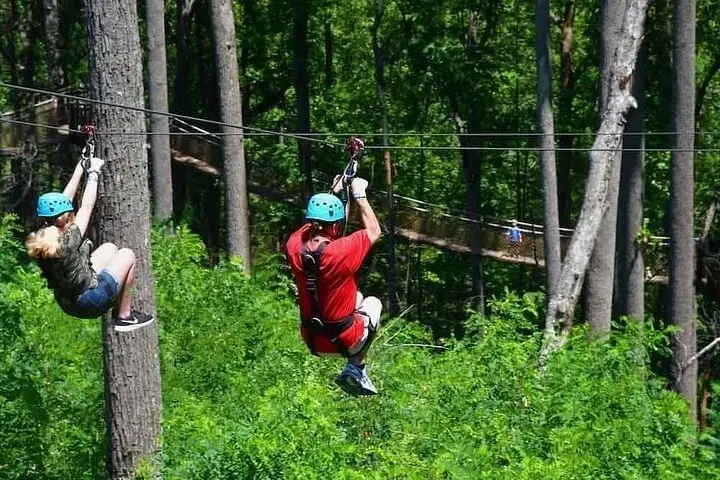
Less than two hours from Nairobi, Kereita Forest pairs hands-on canopy adventure with quiet montane trails and a sobering colonial history—perfect for families, teams, and curious travelers seeking a full-day pulse of nature.
 Related story
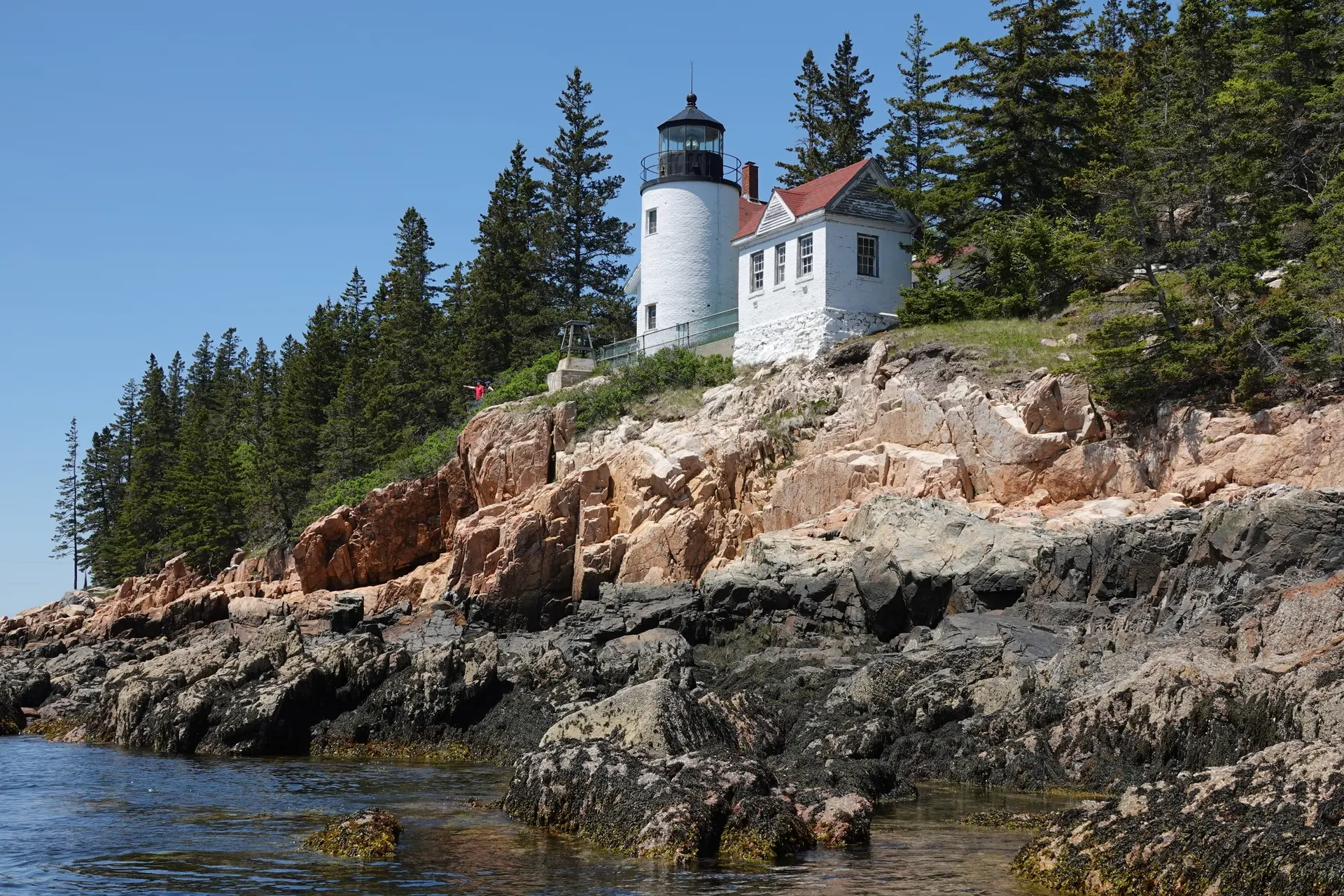
Set out from Bass Harbor for a private, customizable day on Blue Hill Bay — lighthouses, puffins, seals, and the chance to feel Acadia from the water. Small groups, local captains, unforgettable views.
 Related story
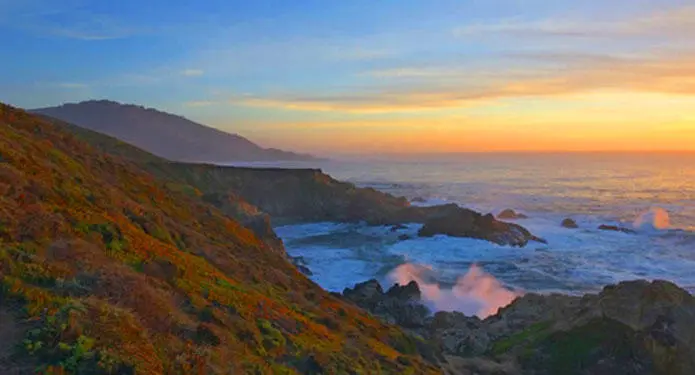
In four hours you can move from shaded canyon ferns to wind-scoured coastal ridgelines, guided by someone who knows where the light—and the hidden views—live. This private half-day hike on the Monterey Peninsula or Big Sur is compact, curated, and perfect for travelers who want depth without a multiday commitment.