
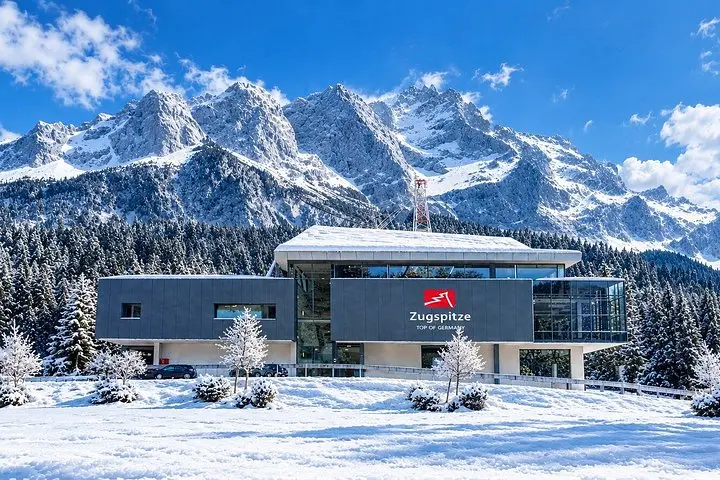
What the day feels like
You step off the coach and the air seems to rearrange itself—thinner, colder, and scented with pine and something mineral. A cable car waits like a glass-walled stagecoach, and within minutes you are riding the German sky toward Zugspitze, the Alps’ weathered throne. Below, Eibsee’s water veers from emerald to slate and dares you to keep looking: islands and drowned trees make a puzzle of depth that refuses to be solved from a distance. This is a day designed to move you through scales of perspective—close-up glass and stone, then the cinematic sweep of castle turrets against alpine sky.
The tour compresses a lot into nine hours: ascent to Zugspitze for a pan-Alpine horizon, a lakeside interlude at Eibsee, a heart-stopping stroll across Highline179 in Austria, and a finale at Neuschwanstein and the gentler Alpsee. It’s an itinerary that wears several hats—mountain summit, lake wander, suspension-bridge adrenaline, and Bavarian fairytale—each with its own practical demands and rewards.
Geology and history conspire here. The Northern Limestone Alps rose from oceanic sediments and were folded and uplifted by the collisions that formed the Alps; glaciers sculpted bowls and carved the basins that hold Eibsee and Alpsee. Neuschwanstein, by contrast, is human-made drama: King Ludwig II built his castle in the late 19th century as both homage and escape, its turrets and theatrical interiors planting the seed for the modern fantasy castle image.
Culture rides alongside the scenery. This is Bavarian country—where mountain hospitality, raw dairy, and beer gardens are as integral as the peaks. The Highline179 suspension bridge, strung over a rocky gorge near Reutte, Austria, is a relatively new addition to the landscape’s stories; its modern engineering offers a sharp counterpoint to Ludwig’s Romantic fantasies.
Why go? The answer is both simple and practical. Zugspitze gives an Alpine vista without a multi-day trek; the cables do the heavy vertical work and leave you free to soak up 360-degree views of Germany, Austria, Switzerland, Italy and beyond on clear days. Eibsee and Alpsee offer walkable shoreline variety—quiet coves, photogenic water reflections, and short trails that reward without requiring trail-running fitness. Highline179 supplies the visceral lift: a controlled rush with tangible views over a deep gorge. And Neuschwanstein is a cultural anchor, a place to anchor a day of natural spectacle with an architectural story.
Logistics matter here more than romance. The tour begins in Munich with hotel pickup and runs approximately nine hours; expect a long but manageable day with several stops for photos, short walks, and refreshments. Weather on the Zugspitze summit changes fast—bring layers and be ready for wind and cooler temperatures even in summer. At nearly 3,000 meters, the summit can produce light breathlessness; move deliberately, hydrate, and plan for an hour on-site.
Timing is everything for photos and crowds. Early morning departures from Munich give you the best light and a head start on tour vans at Neuschwanstein and the bridge. If you want lake reflections, aim for calm conditions—often early morning or late afternoon—and look for the exposed granite islands on Eibsee. On busy summer weekends, expect lines for castle entry and cable car windows that face popular vistas; a private tour mitigates some waits but doesn’t erase the popularity of these sites.
Practical packing is straightforward: sturdy, comfortable footwear with good traction for boardwalks, gravel, and short switchbacks; a light waterproof shell; sunscreen and sunglasses; a refillable water bottle; and a camera with a wide-angle lens for summit panoramas and a mid-range zoom for castle details. Buy castle tickets and cable car passes either in advance or rely on your private-tour operator to handle them—confirm in writing.
Safety and etiquette are part of the experience. Respect conservation rules at the lakes—stay on marked trails, don’t swim in restricted zones, and pack out everything you pack in. The suspension bridge has weight and capacity rules; keep to safe distances from other pedestrians and follow staff instructions. At Neuschwanstein, interiors are subject to timed-entry and photography restrictions—plan accordingly so the visit doesn’t feel rushed.
For photographers: aim low angles at Eibsee to catch foreground stones and islands, use a polarizer to deepen water color, and at Zugspitze bracket exposures to capture both foreground rocks and distant ridgelines. Castle shots benefit from late-afternoon light when turrets throw long, dramatic shadows.
This is a day for contrast—glassy lake stillness and wind-torn summit exposure; human-scale drama and geological epochs. It demands some logistical attention but rewards with an efficient sweep of Bavarian highlights you’d otherwise spend days stitching together. Walk away with a different sense of scale: how quickly the world changes when altitude, water, and human imagination meet in the same place.
Trail wisdom
Small choices, better day.
Dress in layers
Summit temps can be 10–15°C cooler than Munich—bring a windproof shell and thermal mid-layer.
Book tickets ahead
Have cable car and castle tickets confirmed by your tour operator to avoid daytime lines.
Hydrate and pace
Zugspitze is nearly 3,000 m—drink water and walk deliberately to minimize light altitude effects.
Protect camera gear
Use a polarizer for lake shots and a protective bag against sudden mountain drizzles.
Local knowledge
Read the place, not just the route.
Watch for native species including Marmot, Golden eagle (occasional high-altitude sightings).
Keep an eye out for wildlife during the transition between areas and habitats. Respect distance guidelines.
The lakes and surrounding alpine habitats are sensitive; stay on trails, avoid disturbing shoreline vegetation, and pack out all waste to protect water clarity and wildlife.
Follow the guide's instructions on size limits, ethical handling, and leave-no-trace practices.
Walk the Eibsee shoreline clockwise to find quieter coves and photo angles. View Neuschwanstein from the Mary’s Bridge (Marienbrücke) for classic elevated perspectives—be prepared for steps and crowds
Locally recommended viewpoints and quiet spots known best to local operators.
Neuschwanstein was commissioned by King Ludwig II in the late 19th century as an idealized medieval castle, and its Romantic architecture later inspired Disney’s castle imagery.
Maritime roots and regional tradition shape the waterways and working coasts.
Seasonal guide
Four versions of the same landscape.
Spring
Best forWildflower scenes at lower elevations · Fewer crowds at Neuschwanstein
ChallengesVariable weather · Snow patches possible near the summit
Spring brings melting snow, brisk summit winds, and blooming lower slopes—expect mixed conditions and dress for cold at altitude.
Summer
Best forStable weather and long daylight · Calm lake reflections in mornings
ChallengesPeak crowds · Warmer valley temps but cool summits
Summer is peak season with predictable high-elevation weather—arrive early to beat crowds and enjoy clear summit views.
Fall
Best forAutumn colors around Alpsee and Eibsee · Crisp visibility for distant panoramas
ChallengesShorter daylight · Cooler temperatures and possible early snow
Fall offers dramatic leaf color and crisp air; plan for colder mornings and earlier sunset times.
Winter
Best forSnow-covered alpine vistas · Atmospheric photos of Neuschwanstein in snow
ChallengesSome access restrictions · Icy paths and limited hours
Winter transforms the route into a snowy landscape—cable cars usually run but check closures and prepare for ice.
Operator details
What the booking data adds.
Included
- ✓Air-conditioned vehicle
- ✓A driver-guide who assists you on-site with purchasing tickets or other procedures.
Not included
- —Neuschwanstein Castle entrance ticket: €23.50. You can view the exterior for free.
- —Highline 179 bridge entrance ticket: €19. You can skip it.
- —Cable car ticket to the top of the Zugspitze: 78 euros. You buy it on-site. You can skip it and take a walk by the lake instead.
Good to know
- ✓Infants are required to sit on an adult’s lap
- ✓Specialized infant seats are available
- ✓Not recommended for travelers with spinal injuries
- ✓Suitable for all physical fitness levels
Pack with intention
What to bring.
Good to know
Common questions.
The private tour runs about nine hours from Munich and includes ascent to Zugspitze via cable car, stops at Eibsee and Alpsee, a crossing of Highline179, and a visit to Neuschwanstein; confirm specific inclusions like entrance fees with the operator.
Plan the edges
The details that make the day easier.
Neuschwanstein Castle, built by King Ludwig II in the late 1800s, later inspired Walt Disney’s Sleeping Beauty Castle.
After the day’s sites, head to Füssen or Garmisch-Partenkirchen for hearty Bavarian plates—think schnitzel, pretzels, and wheat beer—and look for small family-run taverns serving locally produced cheese and charcuterie.
- Closest airport
- Munich (MUC); Driving distance: Munich to Zugspitze area ~90–120 km (1.5–2 hours); Cell service: good in towns and at major attractions, patchy on some trails; Permits
- tickets
- Cable car fares and castle timed-entry required—confirm with your operator.
This route crosses sensitive alpine and lakeshore habitats—stick to marked trails, avoid trampling vegetation, and pack out all trash to preserve water clarity and wildlife.
Explore by topic
Follow the threads.
Keep exploring
Make the story part of the trip.
 Related story
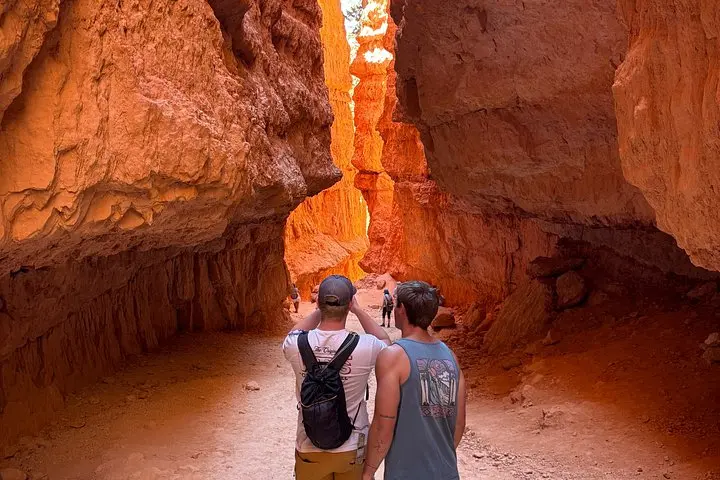
A guided sunrise hike down the Navajo Loop turns Bryce Canyon’s hoodoos from postcard scenery into an intimate geology lesson. Three miles, expert narration, and unforgettable light—this tour is the quickest way to understand how ice, time, and wind carved a city of stone.
 Related story
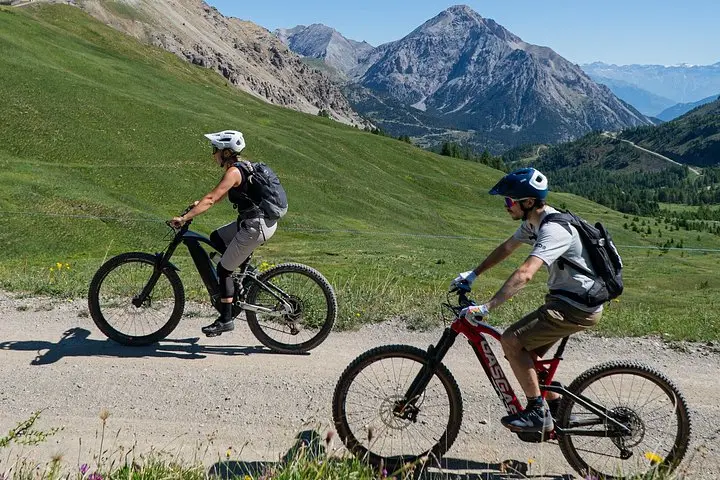
A three-hour guided mountain-bike tour that threads alpine lakes, Roman passes and timbered ridges on the Italy–France border—perfect for riders who want a scenic, accessible taste of high-Alpine adventure.
 Related story
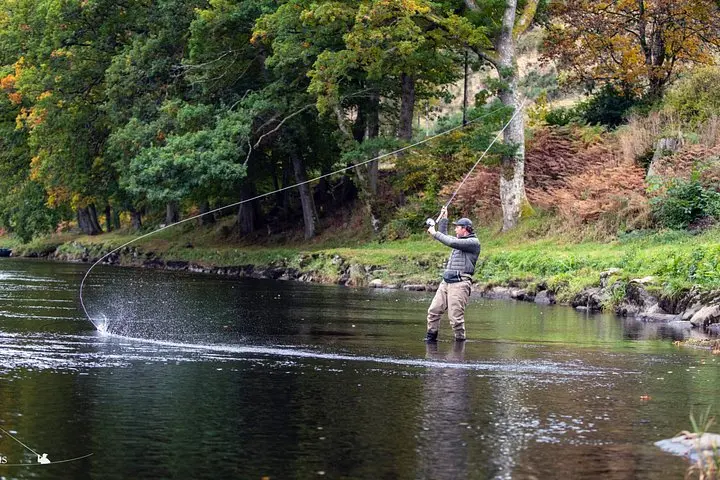
Learn Spey casting and fish classic beats on the River Tay with private instruction and local guides. This full-day experience blends technical coaching with access to waters that reward patience and precision.