
What the day feels like
You step off the low wooden dock and the island lays itself out like a memory: a sweep of wind-bleached sand, a low rim of volcanic cliffs, and a sea that changes from turquoise to a deep, almost cobalt blue in a breath. The boat hums and the guide—part naturalist, part island storyteller—points to a line of white foam where gentle currents meet a shallow shelf. Everything about Porto Santo reads like an invitation; even the sand seems to beckon.
Porto Santo is small—just 11 kilometers by 5—and its shoreline is deceptively vast. The snorkeling tour begins near Vila Baleira, the island’s compact main town, where fishermen still mend nets and cafes pour strong espresso at mid-morning. In under an hour you’re beyond the harbor, gliding over seagrass meadows and rock outcrops that are older than any of the cottages on shore. The water’s warmth in summer is immediate; beneath the surface the island’s quieter topography reveals itself: basalt shelves and weathered lava fingers, crevices where small fish dart, and patches of Posidonia seagrass that pulse with life.
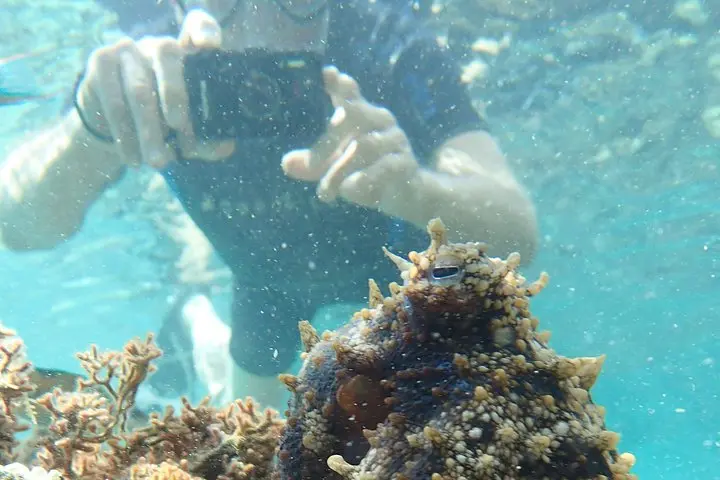
This stretch of ocean sits inside a marine protected area, so the snorkeling is structured not only for spectacle but for conservation. Guides teach a gentle protocol—no chasing, no touching, no anchoring on sensitive beds—and the payoff is visible. Schools of silver sea bream skate under the boat, parrotfish chew on algal film and leave bright arcs of sand in their wake, and a careful eye will pick out the telling curl of an octopus tucking into a rock. On calm days you can watch rays glide like living shadows over the sand, while the cliffs overhead hum with seabird calls.
Porto Santo’s geology is volcanic, but you’ll notice the island’s most famous feature from the water: the golden sand. Unlike the black basalt beaches of nearby Madeira, Porto Santo’s sand is pale and fine—locally touted for therapeutic minerals and used in spa treatments. The island’s dry, windswept interior contrasts with the marine life just offshore; it’s a landscape of sun, stone, and current, and the sea does not ask for gentleness—it demands attention.
Culturally, Porto Santo is unhurried. The local rhythm favors small-scale tourism: family-run guesthouses, neighborhood bakeries serving bolo do caco (Madeiran flatbread), and a handful of seafood restaurants along the quay. Your guide is often a port native who reads the water for a living; expect short lessons in marine ecology between dive spots, and a healthy respect for the island’s maritime history. Columbus is said to have stopped here on his voyages, and remnants of that Atlantic crossing linger in the place names and stories you’ll hear.
Practicalities matter here, and the tour delivers them with the same efficiency it applies to safety. The outing lasts roughly three hours (the advertised 180 minutes includes a short boat ride to several snorkel sites, time in the water, and a return to shore). For roughly $55 per person you get mask, snorkel, fins, and a guide—the price is modest for the intimacy of the experience. Because the area is protected, vessels stick to designated channels and guides brief guests on low-impact behavior before each swim.
Timing is part of the craft. Mornings bring the calmest seas and clearest visibility; winds pick up in the afternoon, particularly in late summer, and that can chop the water and narrow your window for good photography. If the ocean is a living thing here, it invites you to work with its moods. Bring a reef-safe sunscreen and a snug mask; fit is everything when you want to see the reef without swallowing the sea.
Skill-wise this tour is accessible. You don’t need advanced snorkeling experience, but being comfortable in open water matters: buoyancy control, basic mask clearing, and the ability to follow a guide are all useful. Guides are typically patient—expect short surface intervals between swims and the occasional floating rest. The tour’s tempo is deliberate: a move to a new site, a brief orientation, then time to explore.
Beyond the checklist of gear and safety, the real reward is quiet. There are stretches of Porto Santo where the only sounds beneath the surface are the small clicks of fish and the distant pulse of boat engines. Surface, and the island reclaims you with sunlight and sand. At day’s end, a shoreline cafe waits with grilled limpets or a plate of fresh fish and bolo do caco, the kind of meal that reads as a simple ceremony after an hour underwater.
For anyone who loves marine life without the theatrics of crowded dive sites, this is a tour that balances spectacle with stewardship. It’s a place to see the Mediterranean’s Atlantic fringe—seagrass that feeds, fish that clean, and an island that softens the edges of travel until what remains is just the water, the stone, and your own two fins.
Why go: easy access to healthy seagrass meadows, a small-group boat atmosphere, and the rare combination of accessible snorkeling and responsible guiding make Porto Santo’s shores feel like a well-kept secret. Practical takeaways: book mornings, insist on reef-safe sunscreen, listen to your guide, and leave the sand on the beach when you go home.
Trail wisdom
Small choices, better day.
Go Early
Morning departures typically offer the calmest seas and best underwater visibility for snorkeling.
Use Reef-Safe Sunscreen
Choose mineral-based sunscreen to protect sensitive seagrass and reef organisms encountered on the tour.
Mask Fit Matters
Test your mask fit before launch—better seal means fewer interruptions to clear water views.
Respect the Habitat
No touching, no standing on seagrass beds, and follow guide instructions to avoid damaging marine life.
Local knowledge
Read the place, not just the route.
Watch for native species including Octopus, Various Parrotfish and Sea Bream.
Keep an eye out for wildlife during the transition between areas and habitats. Respect distance guidelines.
The tour operates within a marine protected area—guides emphasize low-impact practices to preserve seagrass meadows and fish populations.
Follow the guide's instructions on size limits, ethical handling, and leave-no-trace practices.
The rocky outcrop near Ponta da Calheta for quiet snorkeling away from the main beaches. A short walk from the harbor to a viewpoint with sweeping panoramas of the golden beach
Locally recommended viewpoints and quiet spots known best to local operators.
Porto Santo’s human story stretches back to early Atlantic navigation; the island’s harbor has served local fishermen for centuries and drew explorers between the Portuguese mainland and the wider Atlantic.
Maritime roots and regional tradition shape the waterways and working coasts.
Seasonal guide
Four versions of the same landscape.
Spring
Best forCalmer seas · Migratory birdwatching · Mild air temperatures
ChallengesVariable wind in late spring · Cooler water early season
Spring brings steady weather and fewer tourists; water can be cooler in March–April but visibility is often very good.
Summer
Best forWarm water · Long daylight hours · Best visibility
ChallengesStronger afternoon breezes · Higher visitor numbers
Summer is peak snorkeling season with warm water and long days—book early for morning slots to avoid chop.
Fall
Best forWarm sea temperatures · Lower crowds · Stable conditions
ChallengesOccasional Atlantic swells · Reduced services late season
Early fall is an ideal balance of warm water and thinner crowds; watch for occasional swells after Atlantic storms.
Winter
Best forQuieter island experience · Bird migrations · Lower prices
ChallengesCooler water and air · More unsettled weather
Winter has quieter shores but cooler water and more changeable weather—suitable if you prioritize solitude over sun.
Operator details
What the booking data adds.
Included
- ✓Private transportation
- ✓Use of Snorkelling equipment
- ✓Local Guide
- ✓Insurance
Not included
- —Food and Drinks are not included.
- —Swimsuit and Towel
Good to know
- ✓Public transportation options are available nearby
- ✓Infants are required to sit on an adult’s lap
- ✓Travelers should have at least a moderate level of physical fitness
Pack with intention
What to bring.
Good to know
Common questions.
No—basic swimming ability and comfort in open water are enough; guides stay close and provide flotation aids if needed.
Plan the edges
The details that make the day easier.
Porto Santo’s golden sand is locally famed for its therapeutic properties and is used in spa treatments; the island’s sand composition differs from Madeira’s black volcanic beaches.
After the tour, head into Vila Baleira for grilled seafood and bolo do caco at a waterfront taverna; local cafés serve strong coffee and pastries—look for family-run places where catch-of-the-day is offered.
- Closest airport
- Porto Santo Airport (PXO)
- launch
- Vila Baleira harbor
- Driving distance from town center
- walkable
- Cell service
- generally good onshore, patchy offshore
- Permits
- no special permits for recreational snorkeling, but respect marine protected rules
This tour visits protected marine areas—pack out all trash, use reef-safe sunscreen, and avoid touching seagrass and invertebrates to minimize your impact.
Explore by topic
Follow the threads.
Keep exploring
Make the story part of the trip.
 Related story
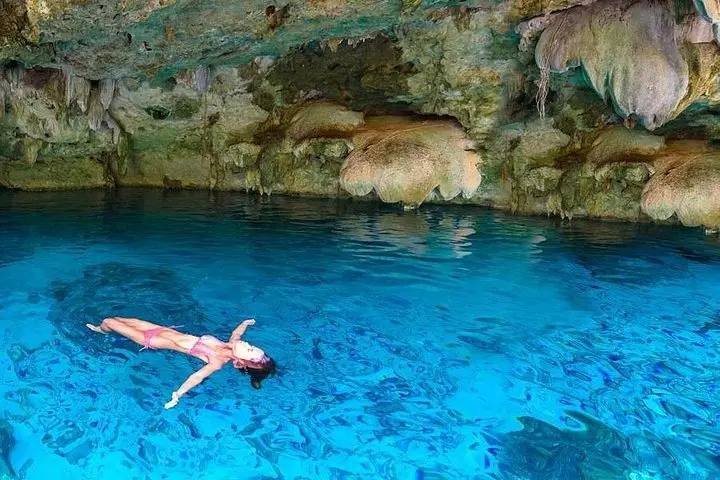
Dive into the Yucatán’s secret freshwater caverns and drift over the shallow reef gardens of Yalku Lagoon—an accessible, half-day snorkel pairing that blends geology, Mayan history, and vivid marine life.
 Related story
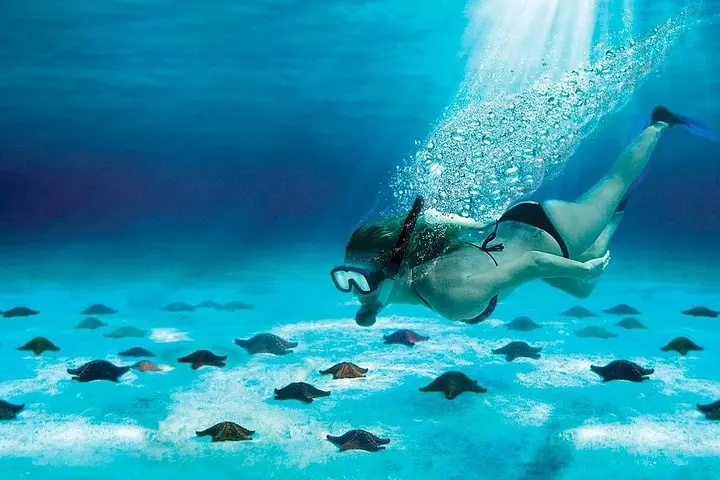
Spend a day on a high-speed boat exploring Cozumel’s famed reefs and the shallow sand flats of El Cielo. This full-day trip offers clear water, abundant marine life, and guided snorkeling at three prime sites—ideal for both first-timers and seasoned reef lovers.
 Related story
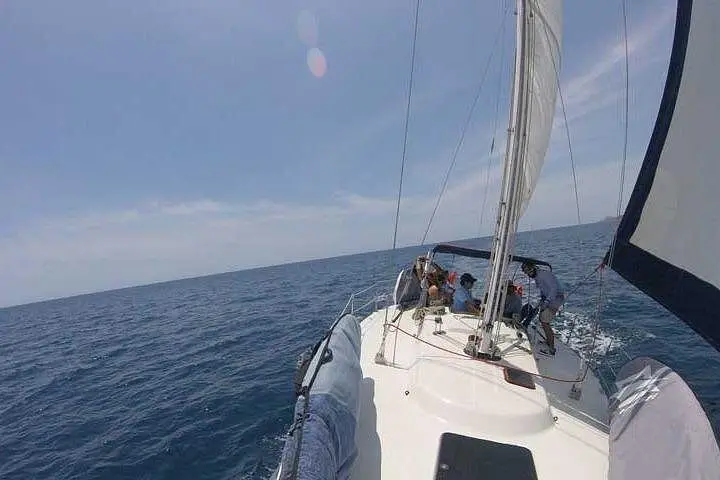
Spend four hours sailing off Cabo San Lucas—snorkel coral-rich coves, paddleboard into sheltered bays, and relax with a premium bar on a small, well-run boat. This half-day outing is ideal for travelers who want maximum ocean time with minimal planning.