
What the day feels like
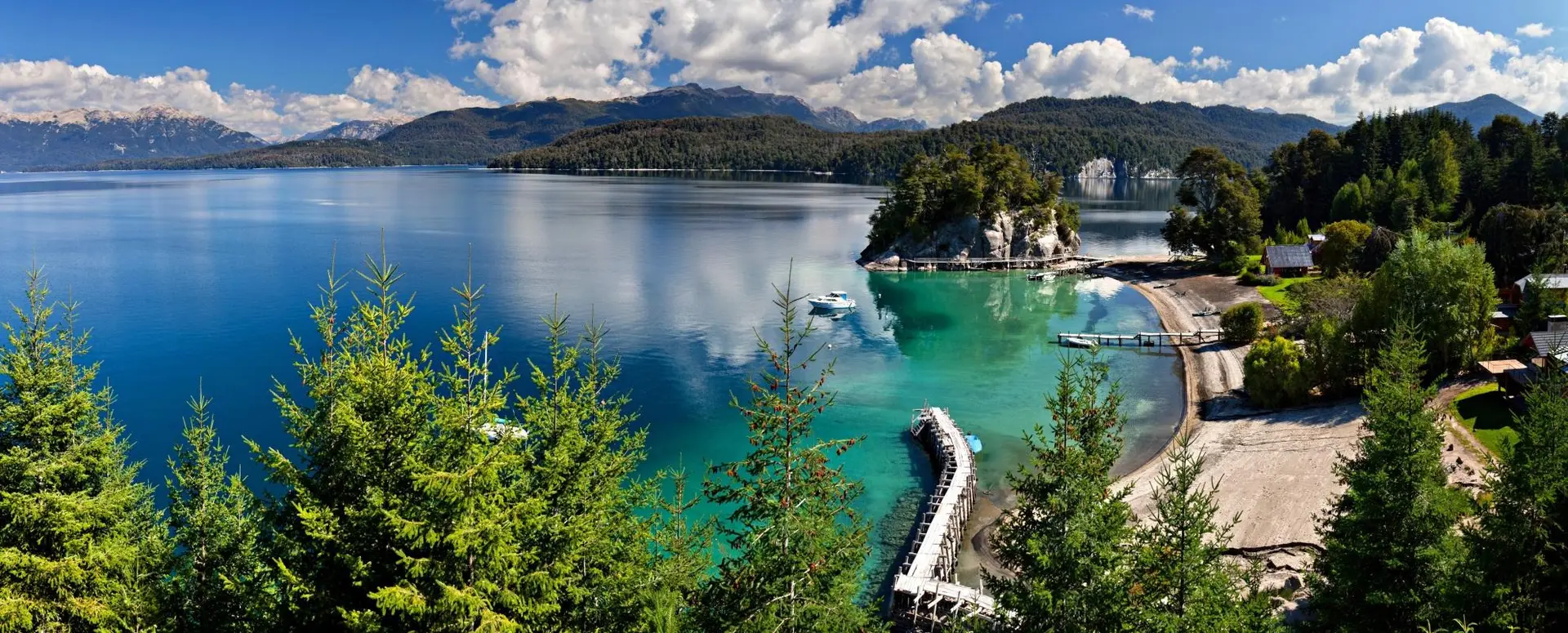
The wind off Nahuel Huapi has a way of telling you where you are: a broad, cold breath that lifts the scent of lenga trees and carries it across water so clear it borrows the sky. Stand on the pebbled shore near San Carlos de Bariloche in the hour before noon and the lake is a slow machine, polishing mountains into mirrors. Later, when weather moves in, the water will scuff and darken, and the Andes will pull a shawl of cloud over their shoulders. That quick-change temperament is part of the appeal — and part of the planning.
Nahuel Huapi is less a single destination than a stitched landscape: a ribbon of deep water, serrated coves, islands with names like Victoria and Quetrihué, and a fringe of forests where myrtle trees — the famous Arrayanes — stand like a copper-haired guard. The lake is the jewel at the heart of Nahuel Huapi National Park, Argentina’s oldest national park, carved by glaciers and fed by Andean runoff. Geologically, it’s a product of ice, time and tectonic uplift; historically and culturally, it sits on land long inhabited and named by Mapuche peoples — “Nahuel Huapi” translates roughly to “island of the jaguar” in Mapudungun.
The best way to learn the lake is by doing. Start with the classic Circuito Chico, a short loop that feels like a sampler plate of Bariloche: mountain panoramas, scattered lakeside mansions, and viewpoints where you can feel the altitude in your lungs. It’s a half-day drive or guided loop (approx. 60–70 km depending on your route), punctuated with short walks and photo stops. Take the trail up to a nearby viewpoint — steep but brief — and you’ll understand why people talk about this region in reverent, precise syllables.
Water is the organizing force here. Boat trips to Victoria Island and the mind-bending Arrayanes Forest are the lake’s signature. The crossing is a contained voyage: the boat carves a path through blue ice melt toward a forest whose myrtles grow in cinnamon-colored bark and perfect, columnar trunks. These trees — unique enough to warrant a dedicated protected peninsula — give the place an otherworldly hush; they seem deliberately posed for slow exploration. Typical island-plus-forest excursions run 2–3 hours and pair comfortably with a lakeside lunch back in Bariloche.
If you want to stretch into a full-day romance with Patagonia, drive (or join a guided tour) along the Seven Lakes route. This is a road-trip in full cinematic mode: 352 kilometers of laminated views, each lake a different shade of blue, framed by forests that whisper their age. The route winds through Villa La Angostura and San Martín de los Andes, and if you have time, the Lanín volcano and its surrounding park make for a logical, dramatic detour.
Hiking here is layered: short, steep viewpoints for quick-hearted travelers; forested loops for those who want to read the bark and fern; and multi-day treks for people who want to sleep with the lake in their ear. Llao Llao municipal park offers moderate loops (3–8 km, mixed rock and root) with big views across narrow arms of the lake, while guided mountaineering or longer trekking itineraries can push into remote valleys and deeper conservation zones. For paddlers, sheltered arms like Brazo Tristeza make for calm, memorable kilometers of exploration; for sailors, the lake tests you with gusts that are as dramatic as they are brief.
On the cultural side, Bariloche’s blend of alpine-style chocolate shops, Mapuche influences, and Argentine ranching traditions gives you varied taste and texture between outings. Don’t skip a mate tasting ceremony on the shore — a local guide will teach you the ritual and cadence of passing the gourd, and the conversation that comes with it is as grounding as the drink itself.
Practicalities: the weather turns fast, so plan in layers. Book boat trips and guided hikes in advance during the southern summer (December–February); winter brings skiing and a very different palette (and requires winter gear). Bring cash for small park fees, and consider hiring a local guide — their knowledge of microclimates, wildlife, and hidden beaches often turns a good day into an unforgettable one.
Safety and stewardship go hand in hand. The lake’s currents and weather demand respect: check boat manifests, wear life jackets on open water, and avoid solitary treks into unfamiliar valleys without a plan. Leave no trace; the islands and Arrayanes forest are fragile, and supporting local conservation fees helps keep trails open and ecosystems healthy.
Nahuel Huapi is a place that asks you to slow down and it rewards attention. Whether you come for a single loop around a viewpoint or a multi-day push across parks and lakes, the experience is a steady layering of water, rock, and forest — and the practical knowledge you bring will determine how deeply you walk into that landscape.
Trail wisdom
Small choices, better day.
Check the boat schedule
Ferry and tour departures vary by season — arrive 30 minutes early and have a backup day for island trips in case of wind.
Layer for quick weather shifts
Bring a windproof shell and a warm mid-layer; temperatures can swing 10–15°C in a single afternoon at higher viewpoints.
Respect the Arrayanes
Stick to boardwalks on the Arrayanes peninsula; the delicate myrtle forest is vulnerable to trampling and pathogens.
Hydrate and pace on climbs
Short, steep climbs give big views — but the elevation and steep grades can be unexpectedly taxing; carry 1–2 liters of water on hikes.
Local knowledge
Read the place, not just the route.
Watch for native species including Andean condor, Southern river otter (huillín).
Keep an eye out for wildlife during the transition between areas and habitats. Respect distance guidelines.
Visitor limits and boardwalks protect sensitive forests like the Arrayanes; support local guides and obey signage to minimize impact.
Follow the guide's instructions on size limits, ethical handling, and leave-no-trace practices.
The quiet eastern coves of the lake near Confluencia — great for paddle sessions and solitude. Short, local trails off the Circuito Chico that lead to rocky promontories with fewer tourists
Locally recommended viewpoints and quiet spots known best to local operators.
Nahuel Huapi sits within Argentina’s first national park, established in 1934; the region’s place names reflect Mapuche heritage and early mountaineering exploration in the 20th century.
Maritime roots and regional tradition shape the waterways and working coasts.
Seasonal guide
Four versions of the same landscape.
Spring
Best forWildflower blooms · Quiet hiking · Birdwatching
ChallengesUnpredictable rain · Late snow patches
Spring (Sept–Nov) brings melting snow, green forests and migratory birds — expect muddy trails and occasional cold snaps.
Summer
Best forBoating and kayaking · Island and forest tours · Road trips
ChallengesHigh season crowds · Strong afternoon winds
Summer (Dec–Feb) is the warmest, best for lake crossings and multi-day trips; book tours early and start outings in the morning to avoid winds.
Fall
Best forAutumn foliage · Photography · Quiet viewpoints
ChallengesShorter daylight · Cooling temperatures
Fall (Mar–May) paints the lenga and coihue forests in rust and gold — ideal for photographers and those who prefer fewer people on trails.
Winter
Best forSkiing nearby · Snowshoeing · Moody landscapes
ChallengesCold, snow-covered trails · Limited boat services
Winter (Jun–Aug) brings snow on peaks and access shifts to ski areas; many boat tours and island services reduce operations.
Pack with intention
What to bring.
Good to know
Common questions.
Most guided crossings and on-island walks take about 2–3 hours; longer excursions that include lakeside lunch stops can be half-day.
Plan the edges
The details that make the day easier.
Nahuel Huapi National Park was established in 1934, making it Argentina’s oldest national park; the lake’s name comes from Mapudungun, roughly meaning 'island of the jaguar' (nahuel = jaguar/puma, huapi = island).
Bariloche pairs alpine-style wooden architecture and world-class chocolate with Mapuche artisanship and gaucho traditions; savor fresh Patagonian trout, visit a chocolate shop on Mitre Street, and join a mate circle on the lakeshore for local conversation.
- Nearest hub
- San Carlos de Bariloche; Nearest airports: Bariloche (BRC); Typical tour lengths: half-day to multi-day; Currency: ARS (cash useful); Language: Spanish (basic English at major operators).
Choose certified local guides, follow marked trails, avoid single-use plastics on the lake, and contribute to conservation fees where requested to support fragile island and forest ecosystems.
Explore by topic
Follow the threads.
Keep exploring
Make the story part of the trip.
 Related story
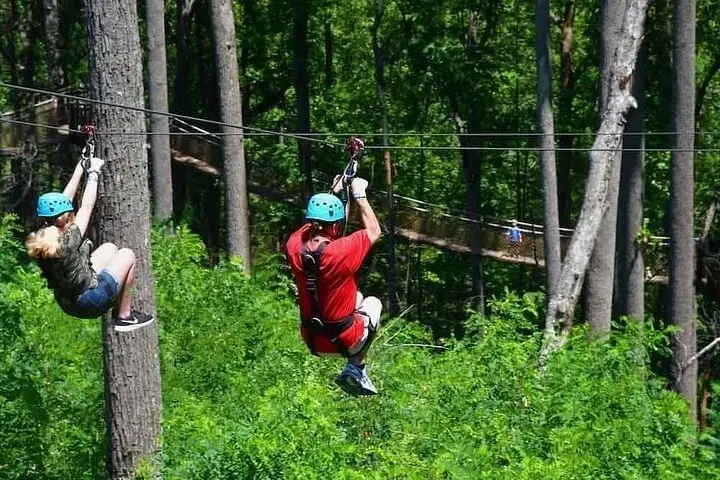
Less than two hours from Nairobi, Kereita Forest pairs hands-on canopy adventure with quiet montane trails and a sobering colonial history—perfect for families, teams, and curious travelers seeking a full-day pulse of nature.
 Related story
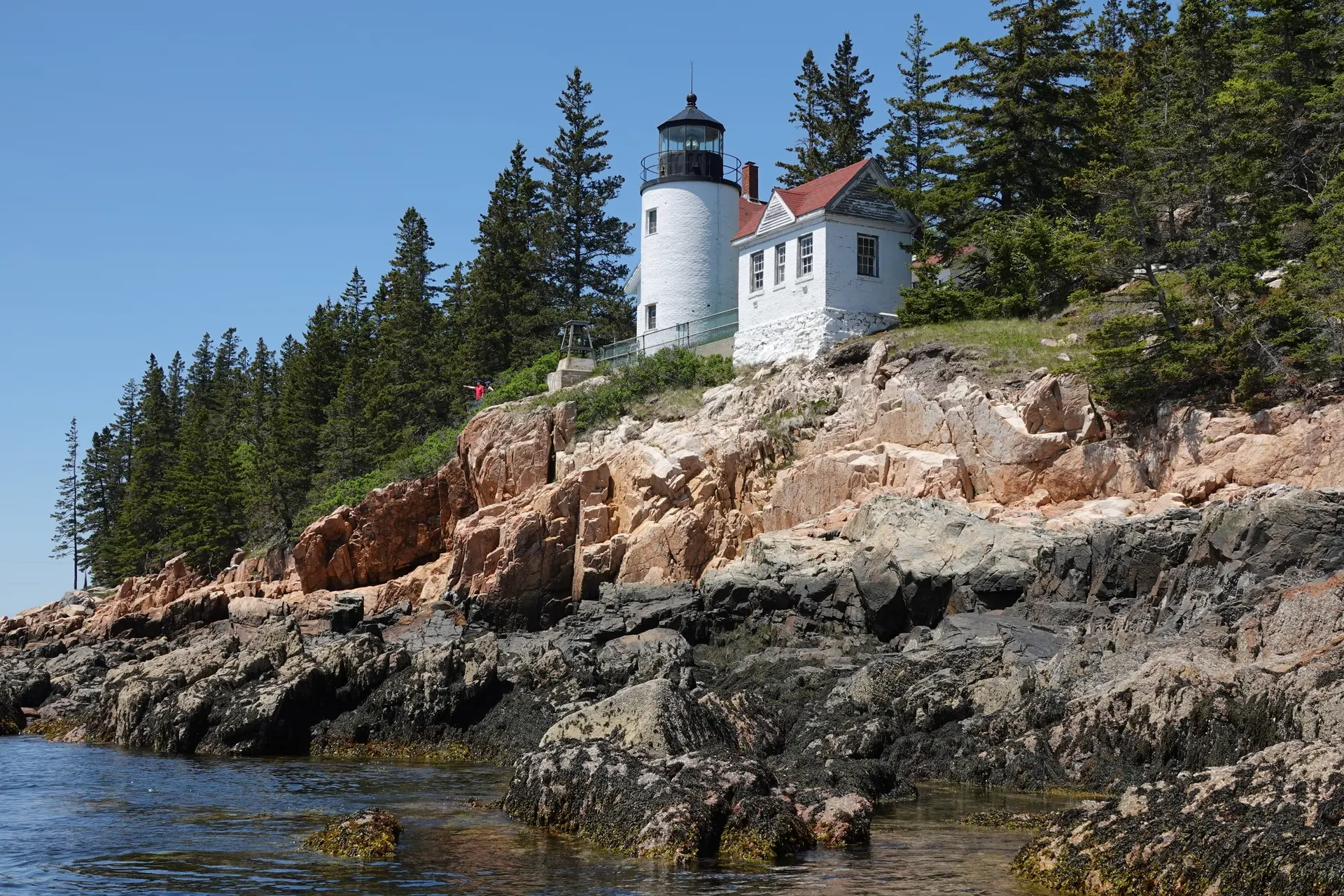
Set out from Bass Harbor for a private, customizable day on Blue Hill Bay — lighthouses, puffins, seals, and the chance to feel Acadia from the water. Small groups, local captains, unforgettable views.
 Related story
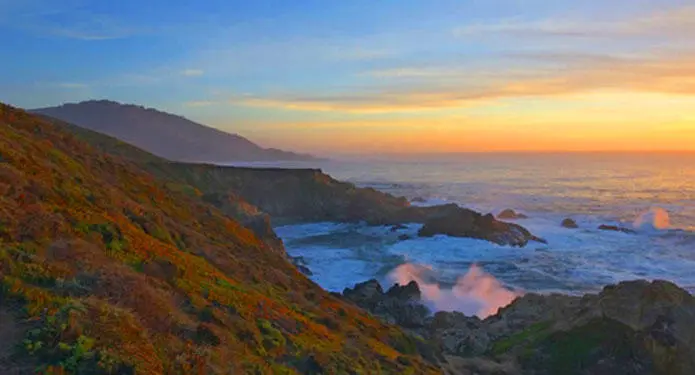
In four hours you can move from shaded canyon ferns to wind-scoured coastal ridgelines, guided by someone who knows where the light—and the hidden views—live. This private half-day hike on the Monterey Peninsula or Big Sur is compact, curated, and perfect for travelers who want depth without a multiday commitment.