
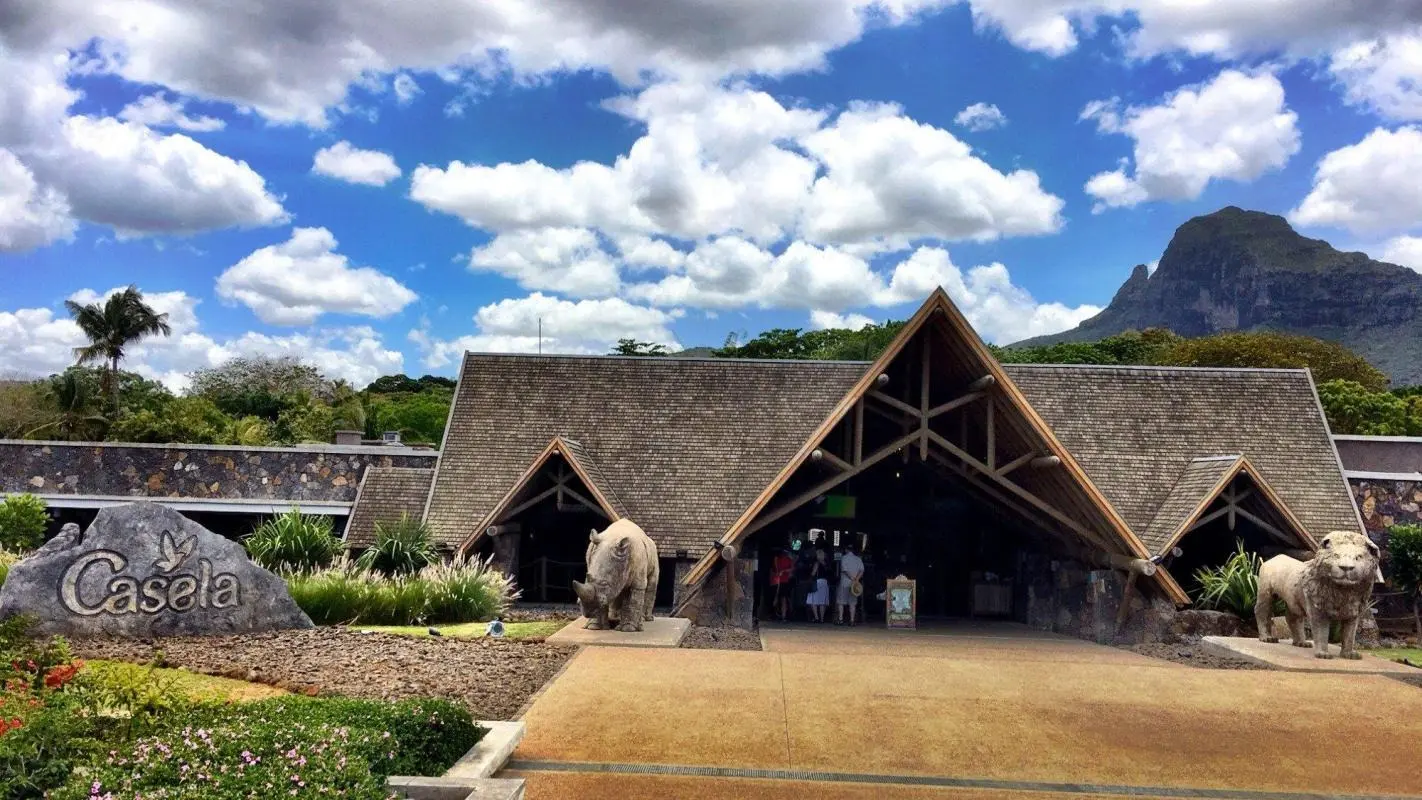
What the day feels like
The rumble of a turbine lifts you a few hundred feet above mango groves and sugarcane fields, and the island below suddenly reads like a stitched map: reef-scalloped coastline to the east, the shadowed spine of the Moka and Black River mountains to the north and west. Below, the patchwork green around Cascavelle gives way to an engineered wilderness—open plains, aviaries, and waterholes—where zebras graze and exotic birds thread the sky. This is Casela World of Adventures, Mauritius’ most unabashedly playful answer to a wildlife park: part safari, part zipline canopy, and entirely engineered for the kind of hands-on outdoor play that makes travel feel immediate.
A visit to Casela begins with movement. You can drift in a cable car and watch antelopes lift their heads like punctuation marks against the lawn; you can clip into a zipline and feel the wind insist you forward as tree crowns give way to a broad view of the West Coast. The park is kinetic—designs that push the guest toward experiences rather than passive observation. It’s where families come to meet giraffes, where adrenaline-seekers launch from platforms for canyon swings, and where birders pause in quieter corners to watch the scale and color of species that speak to the island’s unique ecological story.
Mauritius itself is a young volcanic island, molded by basalt and time. Casela sits on land that once grew sugarcane, but its transformation into an adventure and conservation space mirrors a broader shift in the island economy—from plantation monoculture to tourism and environmental stewardship. The park opened as a private initiative and expanded into a multi-access attraction that combines entertainment with wildlife management—an approach that draws scrutiny and praise in equal measure. That tension is part of the story here: an engineered habitat that offers close encounters while also operating within the complex ethics of wildlife tourism.
Geologically, the park’s plateau gives way to valleys and a backdrop of extinct lava domes. Vegetation shifts along the trails—from manicured paddocks to stands of native trees and planted acacias—each biome chosen to both please an eye and provide habitat. Culturally, Casela sits just inland from the coastal resorts of Flic-en-Flac, a place where Creole food stalls and rum-scented kitchens remind you that the island’s people and flavors are an essential counterpoint to the staged wildness inside the gates.
Why come? For variety and intensity. One morning you can be on a guided safari drive past exotics and South African imports; by afternoon you might be flying through a canopy on a multi-line zip, then sipping chilled water over views of the Indian Ocean. For families, Casela is a concentrated dose of discovery—safe, curated, and immediately engaging. For adventurous travelers looking to understand Mauritius beyond the shoreline, the park is a useful field-class in how an island balances nature, entertainment, and tourism.
Practicalities matter here. The park is busy on weekends and during school holidays—arrive early to carve out time for priority activities like the zipline, canyon swing, or safari drives. Wear closed-toe shoes for uneven paths and quad or safari sections; sunscreen and a hat are essential under the tropical sun. Bring a refillable water bottle: moving between paddocks and platforms can dehydrate you faster than the balmy breeze suggests.
There is, rightly, an ethical conversation to be had about close animal encounters. Casela runs a range of programs—from observational safaris to more intimate experiences—and the park has evolved its practices over time. Ask questions at booking about the conditions and welfare standards of any animal encounter you plan to book. If you’re unsure, favor observational activities like the safari drive and bird aviary, and support any on-site conservation programs or interpretive exhibits that explain the island’s native species and restoration work.
For photographers, the park is a mixed blessing: predictable access to exotic animals and controlled environments makes for excellent study and portrait work, but the best frames often come from being patient around the paddocks at first light or late afternoon. Birdlife is particularly rewarding if you bring a mid- to long-telephoto lens; landscapes, especially from the cable car, are at their best in the low light of morning or sunset.
If you’re planning a day, aim for a rhythm: cable car or safari drive early to catch animals at their most active, mid-morning thrill activity (zipline/canyon swing), and a relaxed afternoon wandering aviaries and interacting with smaller exhibits. Food options are available inside the park—simple, island-style fare—but many travelers prefer to bring a small pack with snacks for quick refuels.
Casela is a concentrated statement of how travel can be both playful and educational. It’s not meant to be a pristine wilderness—rather, it’s a managed collection of experiences that allows you to touch, hear, and see wildlife up close on an island where the wildest creature, the dodo, is a reminder of conservation’s urgency. Approach it prepared and curious, and you’ll come away with a clear sense of how Mauritius stages its nature for the modern traveler: tactile, energetic, and framed by the sea and the mountains that gave the island its shape.
Trail wisdom
Small choices, better day.
Book priority activities early
Zipline, canyon swing, and safari drives sell out on peak days—reserve time slots as soon as you arrive or online before visiting.
Wear closed-toe shoes
Trails, platforms, and safari areas are uneven; sturdy shoes make thrill activities and animal areas safer and more comfortable.
Hydrate and use sun protection
Mauritius’ sun is strong; bring a refillable water bottle, broad-brim hat, and SPF 30+ sunscreen for lengthy outdoor time.
Ask about animal welfare
When booking close encounters, request details about animal care and ethical standards so you can make informed choices.
Local knowledge
Read the place, not just the route.
Watch for native species including Pink pigeon (endemic to Mauritius), Zebra and other introduced exotics in the open paddocks.
Keep an eye out for wildlife during the transition between areas and habitats. Respect distance guidelines.
The park engages in captive and managed care programs and education—visit interpretive exhibits and support on-site conservation initiatives where possible.
Follow the guide's instructions on size limits, ethical handling, and leave-no-trace practices.
Cable car at low light—bring a camera for panoramas of the west coast. The aviary and bird enclosures—best early in the morning when birds are most active
Locally recommended viewpoints and quiet spots known best to local operators.
Casela sits on land that transitioned from sugarcane agriculture to one of Mauritius’ primary adventure and conservation attractions, reflecting tourism’s central role in the island economy.
Maritime roots and regional tradition shape the waterways and working coasts.
Seasonal guide
Four versions of the same landscape.
Spring
Best forfewer crowds · pleasant temperatures · birdwatching
Challengesintermittent showers · sticky humidity late in season
Spring (Sep–Nov) brings warming days and fewer hotel crowds—good for active pursuits and for bird activity as breeding season ramps up.
Summer
Best forwarm sea swimming · long daylight hours · lush vegetation
Challengeshot, humid weather · occasional cyclones (Nov–Apr)
Summer is hot and lush; expect humidity and potential storm disruptions—best for combining park visits with beach time when weather is calm.
Fall
Best formilder weather · clear views · outdoor comfort
Challengesvariable showers early fall
Fall transitions to drier, more comfortable conditions—ideal for long park days and outdoor adventure without peak-season crowds.
Winter
Best fordry, cooler days · lower humidity · perfect hiking conditions
Challengescooler mornings · shorter daylight
Mauritius’ winter (May–Oct) is the island’s dry season—crisp mornings and comfortable adventure weather make it the most popular time to visit Casela.
Pack with intention
What to bring.
Good to know
Common questions.
Plan 3–6 hours depending on the number of paid activities you choose; a full day allows for multiple attractions and a relaxed pace.
Plan the edges
The details that make the day easier.
The Mauritian pink pigeon nearly went extinct in the 20th century but has made a comeback through focused conservation efforts across the island.
Pair a morning at Casela with a lunch of Mauritian kreol cuisine in Flic-en-Flac—grilled fish, rougaille, and a rum cocktail capture the island’s blended culinary heritage.
- Hours
- daily (check seasonal times); Typical visit: 3–6 hours; Booking: online or on-site for activities; Getting there: 15–25 minute drive from Flic-en-Flac; Bring sunscreen and closed-toe shoes.
Respect enclosures, do not feed animals, bring refillable bottles, and support park conservation programs—sustainable tourism helps preserve Mauritius’ fragile ecosystems.
Explore by topic
Follow the threads.
Keep exploring
Make the story part of the trip.
 Related story
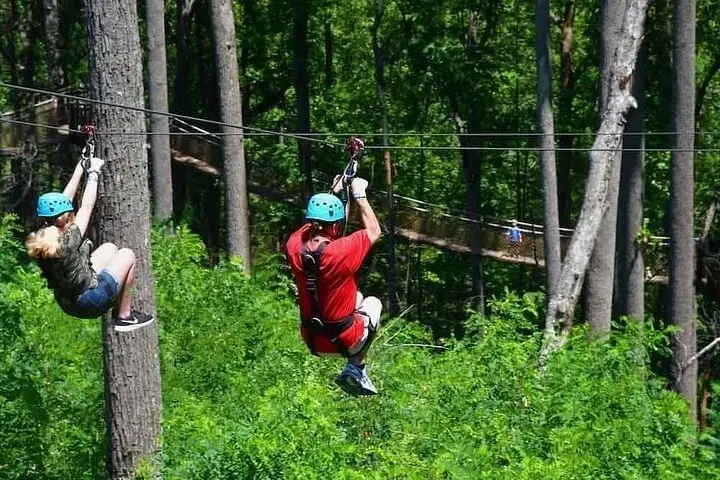
Less than two hours from Nairobi, Kereita Forest pairs hands-on canopy adventure with quiet montane trails and a sobering colonial history—perfect for families, teams, and curious travelers seeking a full-day pulse of nature.
 Related story
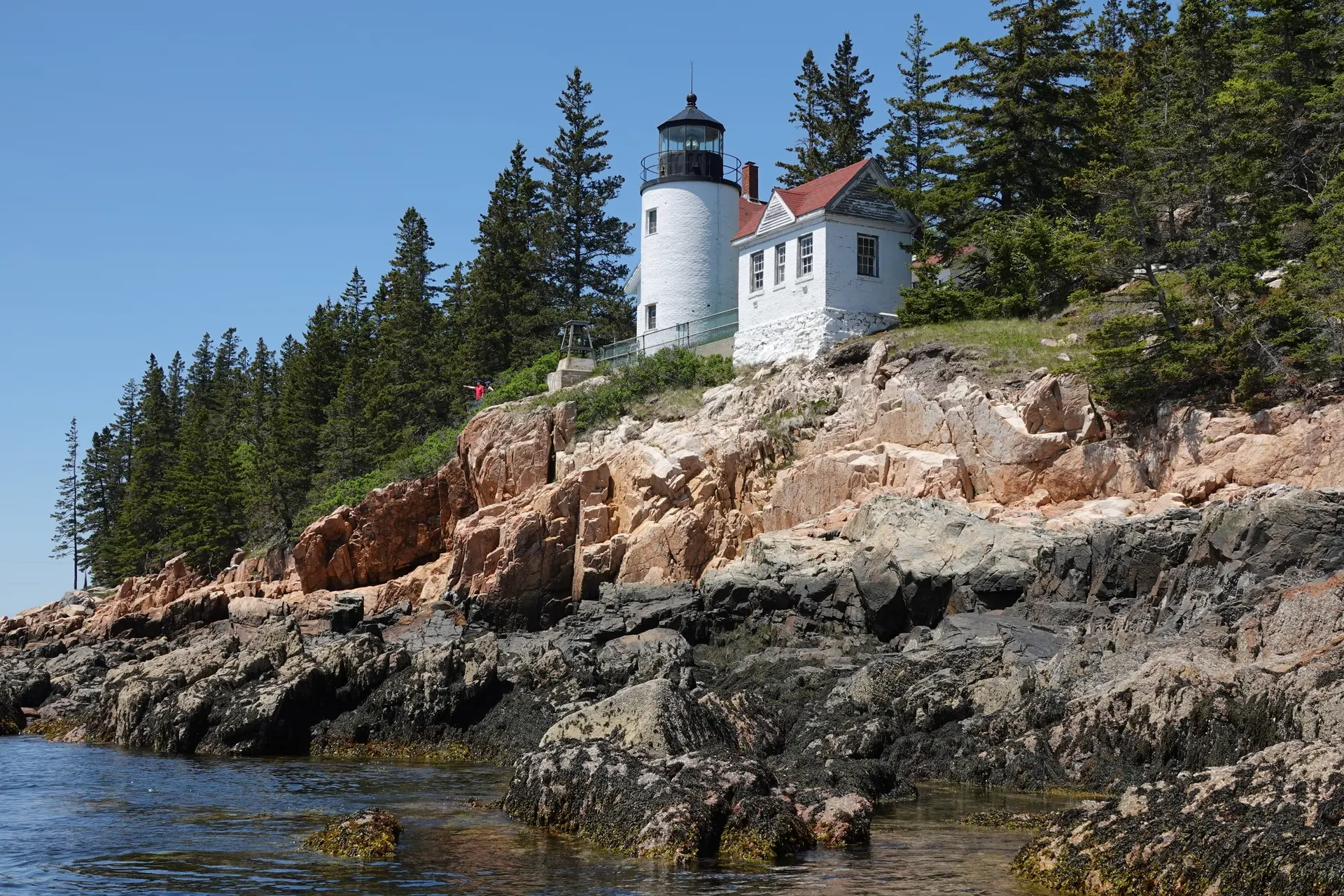
Set out from Bass Harbor for a private, customizable day on Blue Hill Bay — lighthouses, puffins, seals, and the chance to feel Acadia from the water. Small groups, local captains, unforgettable views.
 Related story
In four hours you can move from shaded canyon ferns to wind-scoured coastal ridgelines, guided by someone who knows where the light—and the hidden views—live. This private half-day hike on the Monterey Peninsula or Big Sur is compact, curated, and perfect for travelers who want depth without a multiday commitment.