
What the day feels like
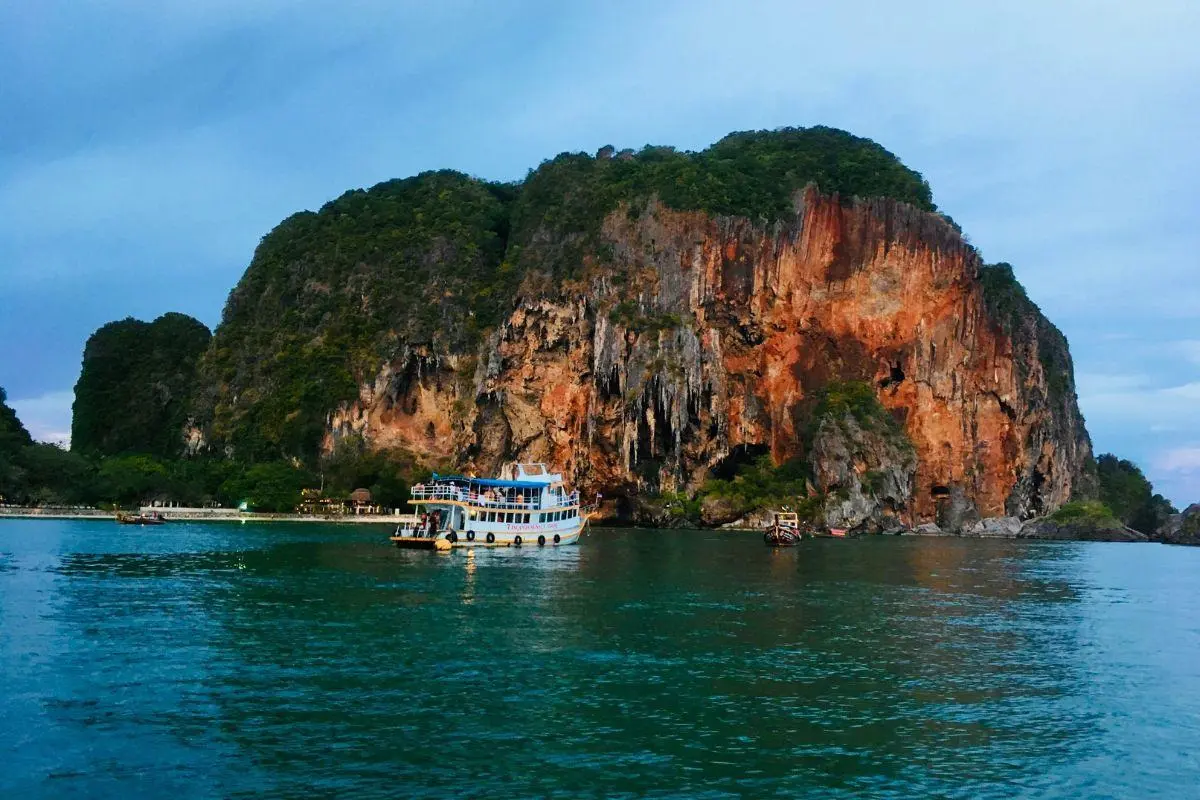
You arrive before most of the boats, the Andaman Sea still a sheet of polished glass. Limestone cliffs—scabbed with streaks of jungle green—rise like theater backdrops from the water, their shadows long and cool. A thin ribbon of sand marks the mouth of Pileh Lagoon; beyond it, the sea seems to hold its breath. Here, on Ko Phi Phi Le, the ocean performs with a clarity that dares you to come closer.
Ko Phi Phi Le is small enough to circle in a morning and dramatic enough that the horizon always pulls your gaze. The island’s karst cliffs are the work of time and salt: ancient reef and limestone heaved up, weathered, and sculpted into spires and caverns. In sheltered coves the water turns a color that resists any single name—emerald, turquoise, then so thinly transparent that you can read the reef like a map. The soundscape is simple—the slap of a passing speedboat, the distant chatter of guides, and the occasional call of seabirds—yet the scene feels cinematic because it once was: the film 'The Beach' cemented Maya Bay and Phi Phi Leh into the world’s imagination.
Geology gives Ko Phi Phi Le its drama; history gives it resilience. The archipelago sits on a narrow shelf of the Andaman Sea and has long been a crossroads for Malay and Siamese traders, fishermen from the Moken 'sea gypsy' communities, and now millions of travelers. The island bore the brunt of the 2004 tsunami and has since been part of both recovery efforts and conservation experiments—Maya Bay was closed for multi-year rehabilitation after the stress of overtourism, illustrating a fragile balance between wonder and wear.
This is a place that invites multiple modes of curiosity. You can skim the surface—literally—with a speedboat that takes you from Phuket or Krabi to a route of highlights: Pileh Lagoon’s enclosed turquoise bowl, Viking Cave’s painted guano walls, Monkey Beach’s bold macaques, and the powder-white beaches of Bamboo Island. Or you can slow down: early-morning snorkel sessions when the reef is still a private gallery, or an overnight itinerary that lets the island’s pulse change from day to soft night—fire shows on Phi Phi Don, the hush of pre-dawn sky.
The product options that serve this place reflect that split between haste and hush. Private speedboat tours are bespoke—full-day charters that let you thread together Pileh, Loh Sama, Hin Klang, and a lunch stop on Phi Phi Don without the crowd schedule. Early-bird departures are the practical choice for photographers and people who want to watch the islands wake up while avoiding midday boats. Multi-day itineraries—like the 12 Islands Overnight or the two-day Phi Phi & James Bond adventures—turn the archipelago into a short but immersive circuit, adding Phang Nga Bay’s canoe-carved caves and James Bond Island’s lonely limestone pillar to the narrative.
What to expect physically: these are water-first experiences. Expect short swims from small craft, some wading to land at beaches, and slippery ladders down to dinghies at times. Snorkeling is the main activity; many tours include masks, fins, and life jackets. The technical skill bar is low, but being comfortable in open water and able to swim 50–100 meters unassisted will make everything easier.
Practical edge: timing and etiquette matter. Maya Bay has been periodically closed or access-limited to give coral and fish populations a chance to recover—check current restrictions before you book. For better light and fewer boats, choose an early-bird speedboat. For a quieter reef experience, head to lesser-visited sites like Loh Sama or the outer reefs of Hin Klang. Bring reef-safe sunscreen and avoid touching coral; the reef needs the same careful hands that will one day want to swim there.
Packing smart transforms an ordinary day into a confident one. Lightweight reef shoes are useful when stepping from a long-tail into shallow water. A quick-dry towel, a dry bag for your camera, and an electrolyte drink will keep you comfortable from first light to the ride back. If you plan an overnight, bring a headlamp and a compact mosquito net—accommodations on Phi Phi Don range from basic bungalows to boutique lodges.
Culture and commerce rub shoulders here. The people who live on Phi Phi Don keep the tourism machine turning: boat operators, seafood vendors, dive instructors, and the families who run guesthouses. If you have a moment, ask about local fishing methods or the community’s role in conservation—many guides are second- or third-generation islanders with stories that add texture to the limestone cliffs.
Safety and sustainability are simple prescriptions. Pay attention in briefings, stay with your group, and resist the impulse to feed wildlife. Use licensed operators; they are more likely to follow rules that protect anchor damage and reef disturbance. Consider a private or early tour if your goal is solitude—those choices reduce crowd pressure in popular coves.
In the end, Ko Phi Phi Le is not a single image but a series of shifting frames: the lagoon that holds the sun, the cliff faces that keep secrets in their shade, reef gardens that explode into color with each fin kick. Experience it with curiosity and care, and you’ll leave with an impression that is less like a souvenir and more like a recalibrated appetite for the sea.
Recommended local activities (from tour operators frequenting the area) include private speedboat explorations of Pileh Lagoon and Bamboo Island, early-bird snorkeling runs from Krabi or Phuket to beat the crowds, multi-day island-hopping that adds James Bond Island and Phang Nga Bay, and lagoon-and-village circuits that pair reef time with cultural glimpses on Phi Phi Don. Each approach delivers the same essential truth: the islands resist being rushed, and reward those who let the sea set the pace.
Trail wisdom
Small choices, better day.
Take the first boat
Early departures mean calmer seas, clearer water, and far fewer tour boats at Pileh Lagoon and Maya Bay.
Bring reef-safe sunscreen
Oxybenzone-free sunscreen protects coral while allowing you longer, safer sun exposure while snorkeling.
Choose private or small-group boats
Smaller groups reduce crowding at delicate sites and make it easier to time stops for photography and snorkeling.
Respect wildlife and signs
Don’t touch coral, feed fish, or approach nesting birds; obey ranger closures like Maya Bay’s limits.
Local knowledge
Read the place, not just the route.
Watch for native species including blacktip reef shark, green and hawksbill sea turtles.
Keep an eye out for wildlife during the transition between areas and habitats. Respect distance guidelines.
Park authorities and operators now limit boat numbers and monitor anchor damage; visitors are asked to use reef-safe sunscreen and follow no-touch rules to help reef recovery.
Follow the guide's instructions on size limits, ethical handling, and leave-no-trace practices.
Loh Sama’s quieter snorkel channels (less trafficked than Pileh). The northern tip of Bamboo Island for morning light and fewer loungers
Locally recommended viewpoints and quiet spots known best to local operators.
Phi Phi Leh’s cliffs are karst formations from uplifted limestone; the islands have been fishing and trading hubs for coastal communities for centuries.
Maritime roots and regional tradition shape the waterways and working coasts.
Seasonal guide
Four versions of the same landscape.
Spring
Best forcalmer seas · early-season snorkeling
Challengesintermittent rain showers · hazy visibility some days
Spring brings warming water and generally calm conditions—good for snorkeling and boat tours, though occasional showers can appear.
Summer
Best forlong daylight hours · full reef visibility
Challengespeak tourist crowds · higher temperatures
Summer is peak tourism season; water clarity is excellent but popular coves fill quickly—book early or aim for private tours.
Fall
Best forfewer crowds · pleasant temperatures
Challengesmonsoon window (especially Sept–Oct) · possible site closures for recovery
Fall can be a sweet spot before the heaviest monsoon rains—but watch for scheduled closures like Maya Bay’s annual restoration periods.
Winter
Best fordry weather · smooth seas for boat passage
Challengeshigher demand and prices · cooler mornings
Thailand’s dry season delivers the most reliable sea conditions—expect blue skies, calm water, and busy piers.
Pack with intention
What to bring.
Good to know
Common questions.
Ko Phi Phi Le is accessible only by boat; most visitors launch from Phuket, Krabi, or Phi Phi Don via speedboat or long-tail. Tours often include hotel transfers to the pier.
Plan the edges
The details that make the day easier.
Ko Phi Phi Leh’s Maya Bay was closed for environmental rehabilitation from 2018 and only reopened with strict visitor limits to allow coral and fish populations to recover.
Seafood and southern Thai flavors dominate Phi Phi Don—try grilled snapper, tom yum, and fruit smoothies from family-run beach stalls. Chat with local guides about traditional fishing methods and community conservation efforts.
- Launch points
- Phuket, Krabi, or Phi Phi Don; Duration: 4–10 hours (day trip) or multi-day options; Facilities: none on Phi Phi Leh; Bring: sunscreen, water, snorkel gear; Book: licensed operators and check Maya Bay access.
Prioritize reef-safe sunscreens, avoid stepping on coral, and favor operators who use mooring buoys and follow anchoring rules to minimize seabed damage.
Explore by topic
Follow the threads.
Keep exploring
Make the story part of the trip.
 Related story
Less than two hours from Nairobi, Kereita Forest pairs hands-on canopy adventure with quiet montane trails and a sobering colonial history—perfect for families, teams, and curious travelers seeking a full-day pulse of nature.
 Related story
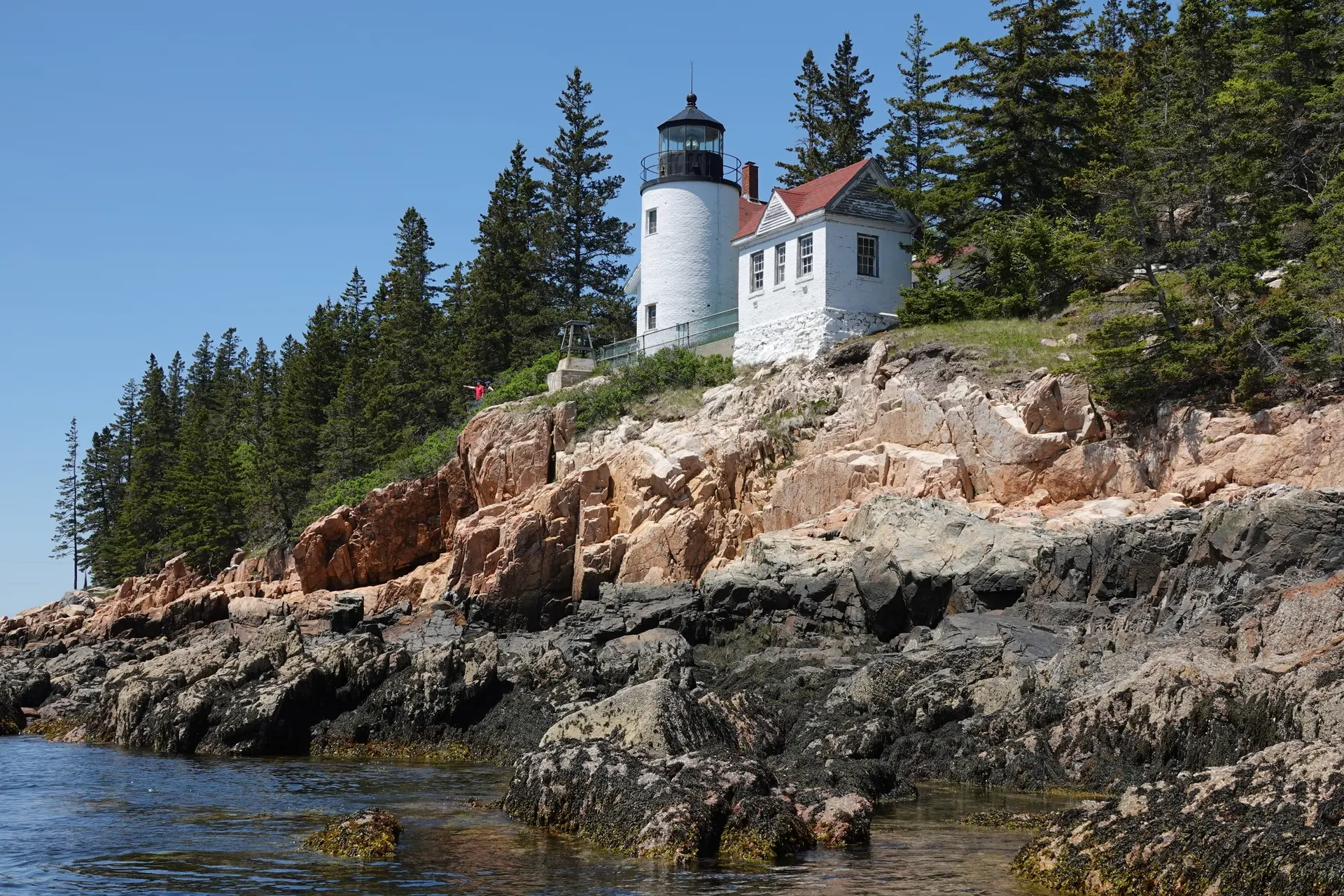
Set out from Bass Harbor for a private, customizable day on Blue Hill Bay — lighthouses, puffins, seals, and the chance to feel Acadia from the water. Small groups, local captains, unforgettable views.
 Related story
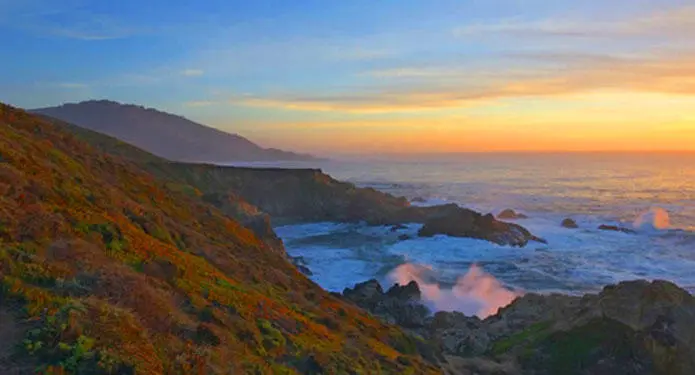
In four hours you can move from shaded canyon ferns to wind-scoured coastal ridgelines, guided by someone who knows where the light—and the hidden views—live. This private half-day hike on the Monterey Peninsula or Big Sur is compact, curated, and perfect for travelers who want depth without a multiday commitment.