
What the day feels like
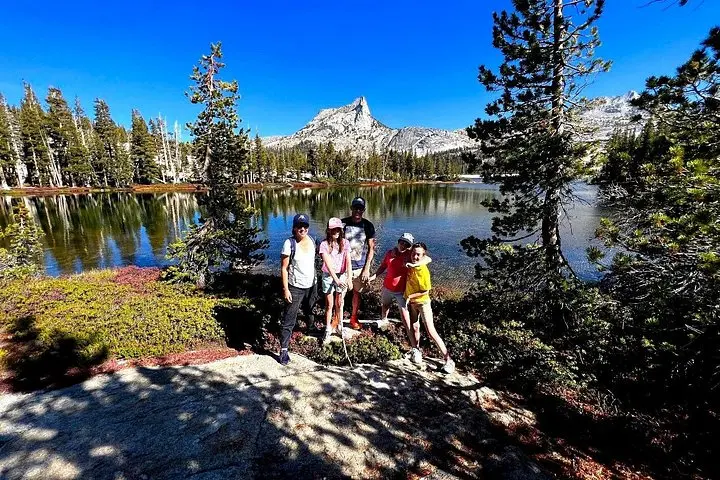
Dawn warms the shoulders of the Sierra Nevada like a quiet hand on a sleeping giant. Granite turns the color of embers in Yosemite Valley, while high above, a faint wind slips down from ice-polished domes and brushes the meadows awake. On this five-day, privately guided circuit through Yosemite and Mammoth Lakes, the mountains set the tempo: rivers hurry you along, bristlecone pines stand in advisory silence, and the basalt columns of Devils Postpile hold their geometric line like a choir. You follow, step by step, in a journey that moves from iconic to intimate—Half Dome at one hour, a quiet alpine tarn with nobody in sight the next.
This luxury, all-inclusive experience strings together the Eastern Sierra’s greatest hits with its quieter verses. One morning, you’ll walk beneath sequoias and polished granite, the same landscapes that fueled John Muir’s fervor and shaped Ansel Adams’ eye. Another day unrolls the high desert’s austere beauty at Mono Lake, where ancient, salty waters cradle otherworldly tufa towers, limestone sculptures born where freshwater springs mingle with alkaline lake brine. The lake is old beyond reason—hundreds of thousands of years—and it wears that age like a calm. Gulls hover, brine flies scatter like iron filings, and the water—dense and buoyant—pushes against your calves with a stubborn, timeless insistence.
Across the range, Mammoth Lakes becomes a comfortable base camp, a small town big on mountain rhythm. Here, trailheads are morning neighbors and hot springs play nightcap. Post-hike, steam wraiths drift from sagebrush flats and the ground exhales mineral warmth; the springs invite, but they also set boundaries. Some pools are too hot, others cross private land—your guide steers you to the safe, accessible spots and reminds you to leave each pool as you found it.
Not every marvel is fluid. Devils Postpile rises in neat hexagons, cooled and cleaved by time into a cathedral of stone pipe organ. Rainbow Falls booms downstream, a curtain of water that doubles as a physics lesson when afternoon sun fuses mist and light into a hanging spectrum. On the flanks of the Great Basin, the ancient bristlecone pines spread their roots into high, oxygen-thin soils. They don’t shout longevity; they whisper it—twisted, resin-rich trunks encoded with cold nights and long droughts.
Between stops, the road is cinematic. It’s no accident filmmakers favor the Alabama Hills, where bulbous granite boulders shoulder up to the Sierra crest like a line of sentries. Further north, Bodie—frozen in a state of arrested decay—tells a story of boom and bust in wind-tattered timbers. Boardwalks creak, windows frame sky, and the ghost town lets the desert do most of the talking.
Geology here leads the tour as much as any driver. The Sierra Nevada is a block of uplifted granite, scoured by ice, fractured by faults, and polka-dotted with volcanics. Panum Crater’s pumice and obsidian remind you the Mono Basin is alive beneath your boots; Hot Creek’s steaming vents say the Yellowstone hotspot isn’t the only show in town. Each day links these chapters into a clear narrative—rock to water, alpine to desert—underscored by a steady emphasis on safety, timing, and minimal impact.
If this all sounds like a strenuous expedition, it doesn’t have to be. The beauty of a private, five-star tour is the dial: mileage and elevation adjust to the group’s appetite. One day might feature a 5–7 mile ramble to a high lake with lunch on sun-warmed granite; another might be a gentle nature walk among pines, punctuated by a scenic drive and a soak under sunset. Distances are matched to the altitude and conditions—expect daily outings of 2–6 hours with plenty of stops for photos and water.
Timing is its own art in the Eastern Sierra. In summer, an early start puts you on the trail with cool air and long shadows, then at Mono Lake’s south tufa as gulls wheel through a gauzy morning. Fall throws gold confetti—aspens along the June Lake Loop and Bishop Creek drainages turn electric. Winter quiets the high country; Tioga Pass and Devils Postpile close under snow, shifting the experience toward low-elevation rambles, snow-draped vistas, and hot springs under a sky sharpened by cold. Spring can be a shoulder season of surprises—roaring waterfalls, lingering snowfields, and the first wildflowers opening like small flags of intent.
Throughout, the land asks for a light touch. Tufa is fragile. Cryptobiotic soil around hot springs is living architecture. Bristlecone pines don’t need your footprints around their shallow roots. Wildlife watches, too: mule deer track the tree line at dusk; marmots sunbathe on talus like old men on porches. Respect is as much a part of the kit as water and sunscreen.
In the evenings, the sky performs. The Milky Way stitches itself across the Alabama Hills. Moonlight turns Sierra granite into a pale sea. If you’re patient—tripod planted, shutter open—the camera reveals what the eye hints at. And that may be the Eastern Sierra’s truest trick: it makes even the most seasoned traveler feel like a beginner again, paying attention, following the cues of stone and sky.
Practicalities matter in a range this big. Altitude sneaks up—Mammoth sits around 7,800 feet and many hikes go higher. Hydrate early, take day one easier, and listen to the body’s short sentences: slow down, breathe, enjoy the view. Road conditions rule access; Tioga Pass and Reds Meadow typically close with the first storms and reopen when crews say go. A guided itinerary weaves around these variables and handles permits, shuttles, and entry fees where required. Your job is simpler: bring solid shoes, an open schedule, and a readiness to let the Sierra set the pace.
You come for Yosemite and leave with a wider map in your head—the volcanic bones of the Mono Basin, the stubborn tenacity of ancient trees, the way desert and alpine shake hands along Highway 395. The mountains do most of the talking; you just learn to listen.
Trail wisdom
Small choices, better day.
Respect the Altitude
Mammoth Lakes sits near 7,800 feet—hydrate well, ease into day one, and plan shorter hikes until your body adjusts.
Know the Gatekeepers
Tioga Pass and the Reds Meadow/Devils Postpile corridor are seasonal. Check opening dates and shuttle schedules before you go.
Hot Springs Etiquette
Soak only in safe, open-access pools, avoid private lands, and leave the tubs cleaner than you found them—no soaps, no glass.
Sun at Elevation
UV exposure increases with altitude—wear a hat, UPF layers, and reapply sunscreen every two hours, even on cool days.
Local knowledge
Read the place, not just the route.
Watch for native species including Mule deer, Yellow-bellied marmot.
Keep an eye out for wildlife during the transition between areas and habitats. Respect distance guidelines.
Mono Lake’s recovery is a landmark California water story—stay on signed trails and never climb or remove tufa. Around hot springs, avoid trampling fragile soils and pack out all trash.
Follow the guide's instructions on size limits, ethical handling, and leave-no-trace practices.
Hot Creek Geological Site for sunrise steam against the White Mountains. Panum Crater Rim for an easy, otherworldly loop of pumice and obsidian
Locally recommended viewpoints and quiet spots known best to local operators.
Bodie boomed in the late 19th century, then faded into a remarkably preserved ghost town, while Yosemite’s protected status owes much to early advocacy by naturalists and photographers.
Maritime roots and regional tradition shape the waterways and working coasts.
Seasonal guide
Four versions of the same landscape.
Spring
Best forWaterfalls at peak flow · Wildflower scouting
ChallengesLingering snow on high trails · Uncertain road openings
Expect roaring falls in Yosemite and patchy snow above 9,000 feet. Lower-elevation walks shine while high country access evolves week to week.
Summer
Best forHigh-alpine hiking · Star photography
ChallengesCrowds at marquee spots · Afternoon thunderstorms
Long days and open passes make the full circuit possible; start early, carry extra water, and plan for pop-up storms.
Fall
Best forAspen color tours · Stable weather windows
ChallengesCooler mornings · Shorter daylight
Gold runs down the canyons and nights turn crisp—prime time for photography and moderate hiking, with fewer crowds.
Winter
Best forSnowy vistas · Hot springs soaks
ChallengesRoad closures · Icy sections
Tioga Pass and Devils Postpile close; the itinerary shifts to scenic drives, snow play, and lower trails with careful traction.
Operator details
What the booking data adds.
Included
- ✓Pickup/drop off, taxes, Yosemite entrance fees+5-day private tour
- ✓Private transportation
- ✓4 nights hotel accommodation included.
- ✓Air-conditioned vehicle
- ✓Yosemite commercial permit and us-resident fees
Not included
- —Sorry, we cannot transport passengers with disabilities as our vehicles are not equipped for that
- —resort fees, lift fees, and other features
- —Tips/gratuities are voluntary payments to your guides as a gesture of appreciation for good service.
- —The U.S. government imposes a Non-US Resident fee on all international travelers aged 16 and older, effective January 1, 2026.
Good to know
- ✓Public transportation options are available nearby
- ✓Specialized infant seats are available
- ✓Not recommended for travelers with spinal injuries
- ✓Not recommended for pregnant travelers
- ✓Not recommended for travelers with poor cardiovascular health
- ✓Travelers should have at least a moderate level of physical fitness
- ✓Our policy regarding passengers with disabilities: Sorry, our vehicles are not equipped for passengers with disabilities and therefore, our commercial insurance doesn’t allow us to transport persons with any kind of disabilities for the sake of their own safety and well-being
Pack with intention
What to bring.
Good to know
Common questions.
Guiding, 4x4 transport, lodging in deluxe hotels, and a customized itinerary are included; park entry fees and shuttle tickets are often arranged—confirm specifics at booking.
Plan the edges
The details that make the day easier.
Mono Lake is at least 760,000 years old, making it one of the oldest lakes in North America.
Refuel at Mammoth Brewing Company for local pours and pub fare, detour to the famous Whoa Nellie Deli in Lee Vining for surprisingly gourmet roadside meals, and don’t miss fresh-baked staples at Erick Schat’s Bakery in Bishop for road-day provisions.
- Airports
- Mammoth Yosemite (seasonal), Eastern Sierra Regional
- Bishop (BIH), Reno–Tahoe (RNO), or San Francisco (SFO). Access
- Mammoth Lakes is ~3 hours from Yosemite Valley via Tioga Pass when open. Cell: Reliable in towns, limited in parks and canyons. Permits
- Fees
- Yosemite entry fee required; Reds Meadow
Stay on durable surfaces around tufa formations and bristlecone pines, pack out all waste, and soak only in established hot-spring pools to protect sensitive soils and waterways.
Explore by topic
Follow the threads.
Keep exploring
Make the story part of the trip.
 Related story
Aksla is the small mountain that makes Ålesund legible: 418 steps, sweeping panoramas, and a short tour that threads architecture and coastline into 90 minutes of memorable sightlines. Perfect for anyone who wants a quick, high-reward encounter with Norway’s west coast.
 Related story
The New York Public Library’s Main Branch is more than a photo stop—it's a civic living room, an architectural landmark, and a waypoint for walking tours that stitch together Midtown’s history, films, and holiday rituals. Here's how to make the most of a visit.
 Related story
Five miles of riverfront walking that reveal NYC’s quieter rhythms—Riverside Park pairs easy urban hiking with history, birdlife and a front-row view of the city’s climate resiliency efforts. Walk a stretch or follow the Greenway; either way, the Hudson makes its presence felt.