
What the day feels like
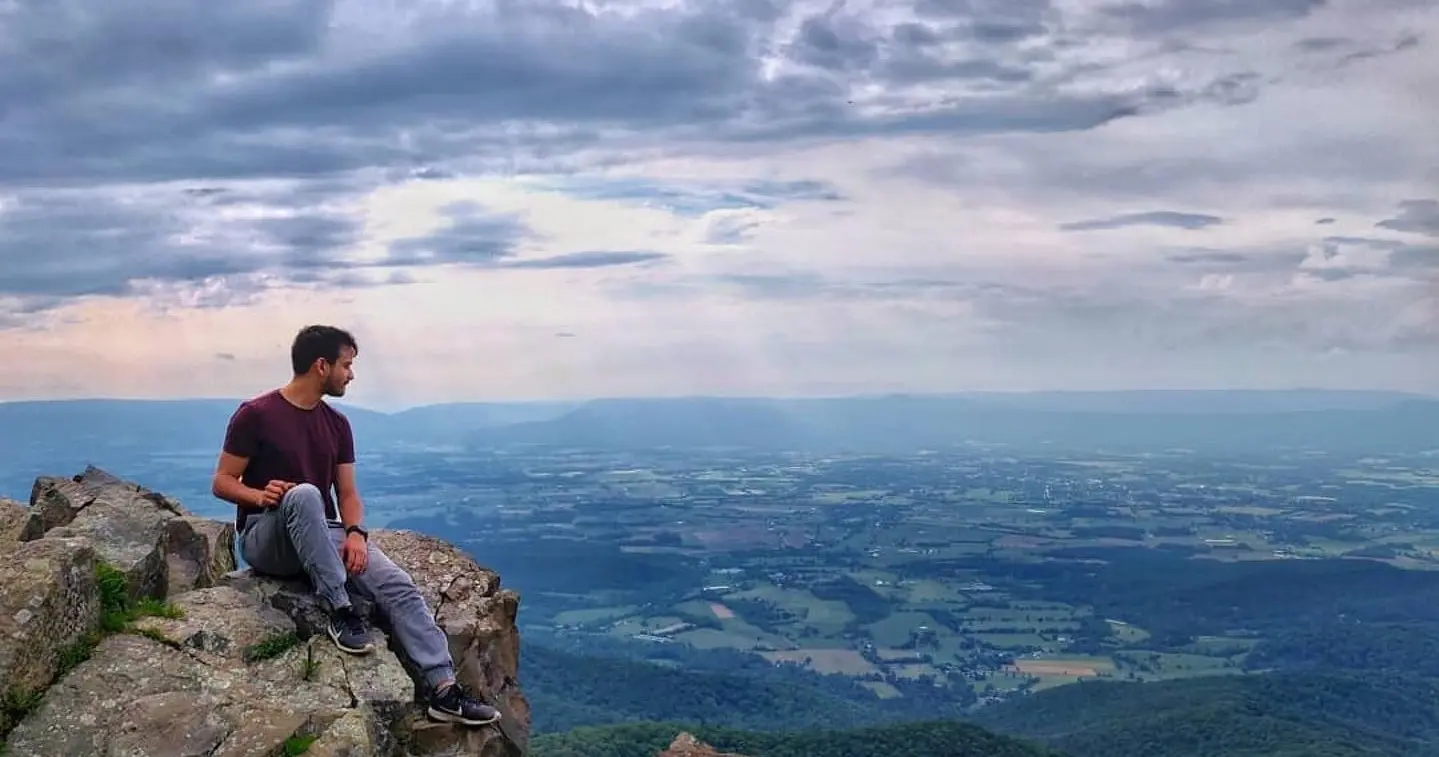
You push past the last stand of rhododendron and the air opens—stone and sky and a gasp of blue that feels too big for the valley below. The first pitch in Shenandoah isn’t a cliff-face you muscle through; it’s a change in cadence. The rock here is old and polite, a mix of hard sandstone and quartzite that demands attention rather than theatrics. Fingers find seams the way a map finds a coastline, and the park’s ridgelines keep score in miles of forested silence and sudden, cinematic views.
Shenandoah National Park’s climbing is an east-coast classic: accessible, varied, and edged with history. Climbers come for the friction climbs and crystal-filled cracks, and they stay because the Skyline Drive frames every ascent with ridge-top panoramas. Whether you’re a first-time top-roped belayer or a seasoned trad climber seeking technical sequences, a guided day here compresses a lifetime of vertical learning into seven relentless, satisfying hours. If you want a local guide, this guided option connects you with experienced guides who know the park’s routes and route-management protocols (https://app.advcollective.com/local-experts/rock-climbing-shenandoah-national-park).
Geologically, Shenandoah’s cliffs are chapters of the Appalachians. The rock is primarily metasandstone, toughened by heat and pressure through eons of continental collisions. It’s not granite—the face rewards balance and good footwork rather than sheer power. Routes cluster near ridges and bluffs, where erosion has exposed bands of hard stone that form edges, cracks, and face climbs. The result is technical, engaging climbing where reading the rock is as important as strength.
Culture and conservation are woven into the park’s climbing ethic. Shenandoah is a protected landscape with rules designed to keep both climbers and ecosystems safe. Guides teach low-impact practices: stick to established approaches, leave vegetation alone, limit chalk use, and never add bolts without authorization. The National Park Service has worked with climbing groups to define where climbs can be developed and where they must remain undisturbed—this is part of what makes guided climbs valuable. Guides know the permitted lines and the best seasons for each route (book a skilled local guide: https://app.advcollective.com/local-experts/rock-climbing-shenandoah-national-park).
A typical guided day here is unhurried but purposeful: safety briefings at dawn, rope systems rigged on bolted anchors or trees where permitted, and a sequence of climbs chosen to match skill—top-ropes for beginners, multi-pitch or trad instruction for more advanced clients. The rhythm is: hike, rig, climb, descend, repeat. Between climbs you’ll stand on belays that are natural balconies, and the park’s tree-lined ridges will let you watch the Appalachians roll westward in layered blue.
Practicality is part of the charm. The route approaches are short by alpine standards—often a 10–30 minute hike into the crags—keeping the day efficient. That said, weather changes fast at elevation; afternoon storms in summer are common and move quickly across the ridgeline. The guides plan accordingly, favoring early starts in summer and timing belays to daylight in shoulder seasons.
Why would you pick Shenandoah over other East Coast crags? It’s the total package: approachable climbs, high-quality guiding, and the contextual payoff of a nationally protected park with forests, wildlife, and history threaded through the experience. Booked with a local expert (https://app.advcollective.com/local-experts/rock-climbing-shenandoah-national-park), the day becomes more than climbing technique: it’s a primer on route selection, anchors and knots, low-impact ethics, and reading Appalachian rock.
Logistically, most climbers base themselves in Luray or drive in from northern Virginia. Expect narrow pull-offs along Skyline Drive and limited cell service on the ridges. Guides usually supply shared technical gear (harnesses, helmets, ropes) but confirm what’s included before you go. The overall physical demand is moderate: you’ll be climbing for short bursts with periods of rest on belays, and the biggest challenge often comes from the length of the day rather than a single route’s difficulty.
If you’re planning a first guided climb, aim for shoulder seasons—late spring or early fall—when temperatures are cooler and the rock is friendlier. If you’re a more experienced climber, a guided day here can be a smart way to access the best lines and local beta without spending years learning the approaches.
At the end of a bright, dirt-streaked day, there’s nothing indulgent about the feeling of returning your ropes and swapping beta with other climbers at a Luray café. Shenandoah’s rock leaves you with a specific kind of satisfaction: a quiet confidence in hands and feet, and the clear knowledge that the mountain was hospitable but uncompromising. For many, that’s the precise reason to climb here.
Learn more about guided options and book a local guide to show you the routes, manage safety, and teach low-impact climbing practices at https://app.advcollective.com/local-experts/rock-climbing-shenandoah-national-park. Come prepared, leave little trace, and bring an appetite for routes that reward patience and technique as much as grit.
Trail wisdom
Small choices, better day.
Start Early
Begin climbs at first light to avoid afternoon storms and maximize cooler rock temperatures.
Shoes Matter
Wear sticky rock shoes for technical face climbs—approach shoes will suffice for short hikes.
Use a Guide
Hiring a certified guide accelerates learning and ensures you climb permitted routes within the park.
Limit Chalk
Bring chalk sparingly and use a chalk bag to minimize visual and ecological impact on the rock.
Local knowledge
Read the place, not just the route.
Watch for native species including White-tailed deer, Red-tailed hawk.
Keep an eye out for wildlife during the transition between areas and habitats. Respect distance guidelines.
Climbing is allowed only on designated routes; follow park rules to protect cliff-nesting birds and fragile alpine vegetation and avoid placing new hardware.
Follow the guide's instructions on size limits, ethical handling, and leave-no-trace practices.
Short ridge-top climbs near Big Meadows with sweeping western views. Quiet early-morning approaches that reveal nesting raptors and deer in the meadows
Locally recommended viewpoints and quiet spots known best to local operators.
Shenandoah was established in 1935; Skyline Drive and park infrastructure were built in the 1930s by the Civilian Conservation Corps, shaping how visitors access ridgelines today.
Maritime roots and regional tradition shape the waterways and working coasts.
Seasonal guide
Four versions of the same landscape.
Spring
Best forCooler temps for sustained efforts · Wildflower and rhododendron blooms
ChallengesWet rock after rain · Unpredictable weather
Spring offers pleasant climbing temperatures and flowering understory, but expect muddy approaches and occasional wet routes.
Summer
Best forLonger daylight for multiple climbs · Beginner-friendly instruction
ChallengesAfternoon thunderstorms · Hot, humid conditions
Summer is busy and best tackled with early starts; storms can roll in quickly so plan climbs before noon.
Fall
Best forStable weather and crisp rock · Spectacular fall foliage views
ChallengesCooler mornings · Higher demand for guided trips
Fall is ideal—cool, grippy rock and dramatic colors—book guides early for peak weekends.
Winter
Best forQuiet crags and solitude · Practicing cold-weather technique
ChallengesIcy rock and approach trails · Limited services and colder temps
Winter climbing is possible on dry days but requires extra caution for ice and shorter daylight hours.
Pack with intention
What to bring.
Good to know
Common questions.
No—guided programs accommodate beginners and will cover fundamentals like knots, belaying, and top-rope safety.
Plan the edges
The details that make the day easier.
Shenandoah National Park contains over 500 miles of trails, including about 101 miles of the Appalachian Trail.
After a day on the rock, head into Luray for local eateries and Main Street cafes; pair a persistent appetite with a visit to Luray Caverns for underground geology and classic small-town shopping.
- Closest airports
- Shenandoah Valley Regional (SHD) ~45 min; Washington Dulles (IAD) ~1.75 hours. Driving from Luray to Skyland area ~45 minutes. Cell service: patchy on Skyline Drive. Permits
- Passes
- National Park entrance fee or annual pass required.
Avoid placing new hardware, stick to established routes, limit chalk use, and pack out all trash; these actions protect nesting birds and fragile cliff ecosystems.
Explore by topic
Follow the threads.
Keep exploring
Make the story part of the trip.
 Related story
Aksla is the small mountain that makes Ålesund legible: 418 steps, sweeping panoramas, and a short tour that threads architecture and coastline into 90 minutes of memorable sightlines. Perfect for anyone who wants a quick, high-reward encounter with Norway’s west coast.
 Related story
The New York Public Library’s Main Branch is more than a photo stop—it's a civic living room, an architectural landmark, and a waypoint for walking tours that stitch together Midtown’s history, films, and holiday rituals. Here's how to make the most of a visit.
 Related story
Five miles of riverfront walking that reveal NYC’s quieter rhythms—Riverside Park pairs easy urban hiking with history, birdlife and a front-row view of the city’s climate resiliency efforts. Walk a stretch or follow the Greenway; either way, the Hudson makes its presence felt.