
What the day feels like
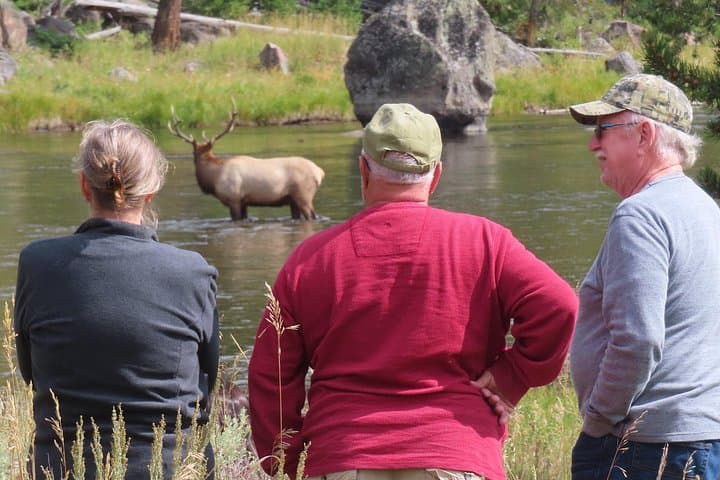
By dawn the van is more a quiet theater than a vehicle: cameras importuned, scopes poised like binocular-armed tripods, the group breathing in a thin Montana cold that smells faintly of diesel and pine. Shadow Canyon unfurls out the window in low light—silver water daring the banks, willows brushing the road as if to check your pulse. The guide nudges the driver, and the van eases into a familiar choreography: pull over, listen, watch. Somewhere ahead an elk coughs, and the entire convoy leans forward with him.
This is the rhythm of the Upper Loop Tour from West Yellowstone: less about distances logged and more about patience rewarded. Over eight hours you’ll thread through the park’s geological chapters—hot springs that lace the earth with mineral terraces, the wide-open sweep of Lamar Valley where bison move like slow weather, and the higher, wind-brushed slopes around Mount Washburn that hold eagle thermals. The payoff is intimate and dramatic: wolves glimpsed through spotting scopes, a grizzly’s silhouette at the edge of morning mist, the terraces of Mammoth Hot Springs steaming like some white-city ruin.
Yellowstone’s story is written in hot water and ice. It was designated the world’s first national park in 1872, protecting a landscape shaped by volcanic fire and glacial patience. The terraces at Mammoth—formed from travertine deposits left by mineral-laden water—silt and stack like a slow, lacing stair to the sky. Lamar Valley, meanwhile, is the park’s great grassland stage. Sometimes called the “Serengeti of North America,” this bowl of sage and meadow supports a density of predators and prey rare in the Lower 48—an ecosystem that regained some of its balance after the controversial reintroduction of wolves in the 1990s.
Culturally, the park is also a crossroads. Native peoples have lived on and moved through these lands for millennia, and today gateway towns like West Yellowstone carry the practical, tourism-hardened energy of lodges, gear shops, and diners built around early starts and long days. Guides on this tour carry more than spotting scopes; they carry stories—of wolf packs organized like tight families, of bison trails worn deeper than roadways, of visitors who saw the park’s best moments by waiting, quietly, with someone who knew where to look.
The geology is the big, slow actor here. Rivers cut, hydrothermal features bubble, and the air itself feels animated—hot breaths near the springs, wind that scours and raises the hair on your forearm. That interaction is why the tour pays close attention to safety: walk only on boardwalks at thermal sites, keep distance from wildlife, and follow your guide’s instructions. The van gives access without the fuss of long hikes, but it asks for something else—calm observation, readiness with a camera, and a tolerance for sitting in stillness.
Practical guide: the tour departs from West Yellowstone early; expect an eight-hour outing with stops at Shadow Canyon, Mount Washburn viewpoints, Lamar Valley with spotting scopes and hot drinks, Mammoth Hot Springs terraces for a short walk, and wildlife stops on the return. Wildlife sightings aren’t guaranteed—animals move on their own timetable—but the route increases your odds by visiting multiple habitats at prime times: mornings and evenings. Dress in layers; mornings begin brisk and can turn windy near Mount Washburn, while midday in the Lamar Basin can feel warm in bright sun. Bring binoculars and a telephoto lens if photography is a priority; guides provide spotting scopes for group viewing, which is when the van feels like a small, mobile observatory.
Timing matters. Spring brings calving season and dramatic predator-prey interactions, but also mud and lingering snow. Summer is the most reliable for comfort and road access; fall brings elk rut activity and spectacular light. The tour includes a lunch and a hot drink, but pack snacks and water for comfort. Cell service is patchy inside the park—plan to be present and camera-forward rather than phone-forward.
This is not an adrenaline tour; it is a patience tour. You’re rewarded for quiet attention more than for daring. The guides act as both interpreters and safety stewards—listening to them and following basic wilderness etiquette keeps the experience authentic and respectful. If you go in prepared to watch rather than chase, the valley will give you the kinds of moments that lodge bar-stories are made of: a wolf’s eyes catching a glint of sun, a grizzly finishing a roll in the grass, a steam-swirled terrace glowing like bone-white coral.
For photographers the advice is simple: bring a long lens, learn to stabilize (or use the van window as a brace), and shoot through the spotting scope if the guides allow it. For families, the tour is accessible—just know there’s a lot of sitting and short walks rather than long hikes. For birders and wildlife enthusiasts, it’s a compact, high-yield way to experience the park’s signature species in a single day.
At day’s end you return to West Yellowstone with hands still smelling faintly of coffee, pockets full of photos, and a quieter appreciation for how wild behavior resists human timetables. The van drops you at the gateway town where the pace snaps back to tourist-hour—restaurants opening, guidebooks turning into dinner plans. If you came for spectacle, you likely found it. If you came to feel the park’s pulse, the tour showed you the places where that pulse is strongest—and taught you how to listen.
Trail wisdom
Small choices, better day.
Bring Binoculars and a Telephoto
Guides supply spotting scopes for shared viewing, but your own optics let you frame private moments without crowding a single viewing spot.
Layer for Mountain Weather
Mornings are cold near the rivers and high ridges; midday can warm quickly—pack a windproof outer layer and a warm mid-layer.
Respect Wildlife Distances
Stay with the van and follow guide directions—approaching animals disrupts their behavior and can be dangerous.
Charge Batteries and Bring Extra Cards
Wildlife encounters can be brief and prolific—don’t miss a moment due to a dead battery or full card.
Local knowledge
Read the place, not just the route.
Watch for native species including Wolves, Bison (and often elk).
Keep an eye out for wildlife during the transition between areas and habitats. Respect distance guidelines.
Respect wildlife viewing rules—keep distance, never feed animals, and stay on boardwalks at thermal areas to protect fragile ecosystems.
Follow the guide's instructions on size limits, ethical handling, and leave-no-trace practices.
Slough Creek for quieter wildlife viewing away from major pullouts. Gibbon Falls and Firehole pullouts—great for quick stops and fewer crowds
Locally recommended viewpoints and quiet spots known best to local operators.
Yellowstone was established in 1872 as the world’s first national park; Mammoth Hot Springs terraces are formed from travertine deposited by geothermal springs.
Maritime roots and regional tradition shape the waterways and working coasts.
Seasonal guide
Four versions of the same landscape.
Spring
Best forCalving season · Bird migration spotting
ChallengesMud and late snow · Cold mornings
Spring brings newborns and active predators; roads are mostly open but expect wet conditions and chilly starts.
Summer
Best forReliable roads and services · Long daylight hours
ChallengesCrowds at popular pullouts · Higher daytime temperatures
Summer offers the best access and comfort—early departures still give the best wildlife viewing windows.
Fall
Best forElk rut and dramatic color · Lower summer crowds
ChallengesShorter days · Variable weather including sudden snow
Autumn intensifies animal behavior and light quality; dress warmer and plan for earlier returns to West Yellowstone.
Winter
Best forWinter wildlife resilience (limited viewing) · Snowy thermal contrasts
ChallengesMost roads closed and severe cold · Specialized snow vehicles required
Winter makes much of the loop inaccessible to standard vehicles—this day tour is geared to warmer seasons.
Operator details
What the booking data adds.
Included
- ✓Van with large windows for wildlife sightings
- ✓Brown Bag with snacks
- ✓Soda/Pop
- ✓Bottled water
- ✓Hot coffee/tea/cocoa while watching wildlife
- ✓Spotting Scope for viewing wildlife at a safe distance
- ✓Sandwich, apple, nuts, snacks (Turkey/Veggie/Vegan/Gluten Free Options) *Please notify YHG with any food allergies or dietary restrictions*
- ✓Binoculars for personal use to view wildlife
Not included
- —Yellowstone Entrance Fee: Unless You Have an Annual Pass, which is good for 4 people in your party
- —Gratuities
Good to know
- ✓Not recommended for travelers with poor cardiovascular health
- ✓Suitable for all physical fitness levels
Pack with intention
What to bring.
Good to know
Common questions.
No—wildlife are wild and move on their own schedules; the tour increases your odds by visiting multiple prime habitats at optimal times, but sightings can’t be promised.
Plan the edges
The details that make the day easier.
Lamar Valley is often called the ‘Serengeti of North America’ and was a focal point for the 1995 wolf reintroduction program that reshaped Yellowstone’s ecosystem.
After the tour, head back into West Yellowstone for classic gateway town comforts: a hearty breakfast, locally brewed beer, and museums that focus on park history—choose restaurants that emphasize regional fare like elk, trout, and mountain-grown produce.
- Closest major airport
- Bozeman Yellowstone International Airport (BZN), ~90 miles
- 1.5–2 hours to West Yellowstone; Driving distance to Lamar Valley from West Yellowstone
- ~2–3 hours via the Upper Loop; Cell service: intermittent to none inside the park; Required: Yellowstone park entrance pass
This tour visits sensitive thermal and wildlife areas—stay on designated boardwalks, keep a safe distance from animals, pack out waste, and follow guide instructions to minimize human impact.
Explore by topic
Follow the threads.
Keep exploring
Make the story part of the trip.
 Related story
Less than two hours from Nairobi, Kereita Forest pairs hands-on canopy adventure with quiet montane trails and a sobering colonial history—perfect for families, teams, and curious travelers seeking a full-day pulse of nature.
Set out from Bass Harbor for a private, customizable day on Blue Hill Bay — lighthouses, puffins, seals, and the chance to feel Acadia from the water. Small groups, local captains, unforgettable views.
In four hours you can move from shaded canyon ferns to wind-scoured coastal ridgelines, guided by someone who knows where the light—and the hidden views—live. This private half-day hike on the Monterey Peninsula or Big Sur is compact, curated, and perfect for travelers who want depth without a multiday commitment.