
What the day feels like
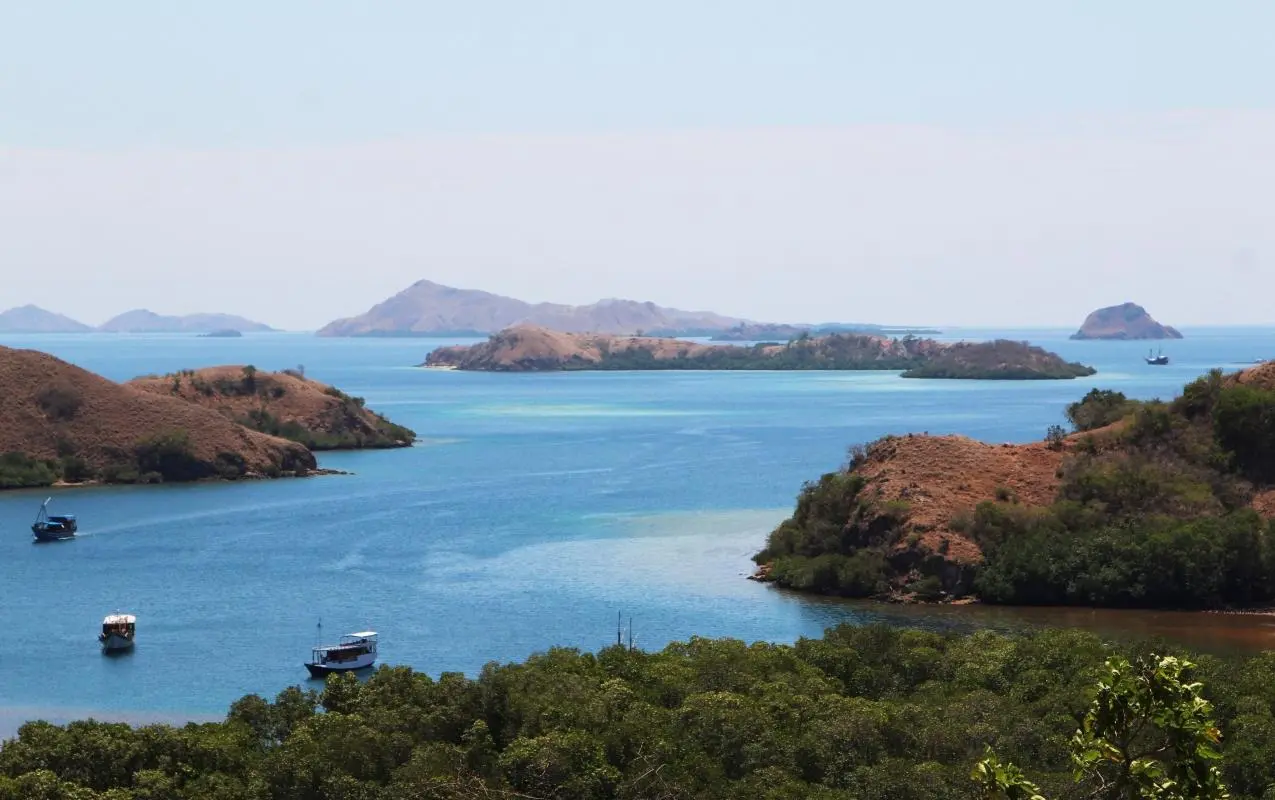
The boat engines sigh and drop to an idle as the shoreline of Rinca Island (Pulau Rinca) resolves from blue to a ragged necklace of rock and scrub. Ahead, a ranger in a faded khaki shirt checks the path and counts heads while the island’s grasses ripple like an impatient sea. You step ashore into sun-baked savanna, the air already warm and sharp with salt, and within minutes the landscape insists on a new kind of attention: the brittle snap of dry stalks underfoot, the distant silhouette of a monitor lizard slipping into shade, the low, deliberate breathing of a creature the size of a small car somewhere nearby. This is Rinca’s rhythm—close, watchful, and startlingly real.
Rinca Island is the raw, lived-in corner of Komodo National Park where Komodo dragons still govern the food chain. Unlike more curated wildlife exhibits, encounters here are matter-of-fact: you’re a visitor in a place that evolved on its own timetable. The island’s open savanna, pockets of thorny woodland and mangrove fringes cue a palette of ochre, rust and green. Trails wind along ridgelines and through grassy bowls where Timor deer and wild boar graze, alert for the heavy-footed monitors that hunt them. A ranger’s presence is part of the protocol—and the drama—guiding groups along routes established to give you the best chance of seeing dragons while keeping both people and animals safe.
Geologically, Rinca is younger rock flung up by Flores’ volcanic restlessness; the soil is thin, the contours sharp. That geological youth matters: the island’s mosaic of habitats—savanna, monsoon forest, mangrove—supports an ecosystem that, in turn, supports the Komodo. Historically, these islands have been remote intersections of Austronesian seafaring cultures. Flores and surrounding isles harbor distinct languages, weaving traditions and fishing practices; Labuan Bajo, the closest town, has swelled from a sleepy port to the expedition hub for travelers seeking dragons and coral reefs.
Keen travelers come to Rinca for the precise balance of adrenaline and straightforward logistics. Ranger-led treks typically run from 45 minutes to two hours, depending on the route and dragon activity; expect uneven ground, dry heat and frequent stops for identification and photographs. Many island-hopping itineraries combine a morning dragon trek with afternoon snorkeling at nearby islets—Kelor, Bidadari, Menjerite—where coral gardens and small manta rays punctuate the underwater scenery. Multi-day boat cruises, from stripped-down phinisi charters to comfortable privately guided packages, add sunrise hikes on Padar, night sails beneath a spill of southern stars and the rare, hush-inducing sight of a Komodo in full stillness.
Practicality matters here. Komodo National Park is a UNESCO World Heritage Site and entry is regulated; rangers are obligatory, and fees help fund protection. The dry season (May–October) is the most reliable time to see dragons active in the open; the wet season makes trails slippery and some boat schedules unreliable. Labuan Bajo has a small airport (Komodo Airport, LBJ) with flights from Bali and Makassar, making Rinca accessible as a day trip or as part of longer Flores itineraries. Accommodations range from guesthouses in Labuan Bajo to private cabins on phinisi boats; deciding between a land-based stay and a boat can define the trip’s tempo—day trips are efficient, overnight cruises feel cinematic.
On the ground (and under the ranger’s watchful eye): move slowly, keep a respectful distance, and don’t attempt to feed or photograph too close. Dragons are ambush predators that can sprint short distances and deliver a bone-crushing bite; rangers use sticks to steer curious animals and will brief you before every trek. For underwater time, the coral gardens around Rinca’s neighboring islets are healthy but fragile—snorkel without touching and secure camera straps to avoid accidental contact.
Timing your visit: mornings are prime for dragon sightings when animals warm themselves on ridges; later in the day they often rest in shade. If you’re combining snorkeling, mid-morning to early afternoon gives better visibility, though tidal flow matters—local skippers know the currents and will plan accordingly. For photographers, the golden hour around sunrise makes the island’s grasses and scales sing with texture.
Why go? Because Rinca offers an unvarnished wildlife encounter that still feels wild. It isn’t a zoo exhibit or a staged photo op; it’s a short, focused window into an archipelago where top predators, small communities and dense reefs overlap. You return with something sharper than a postcard: a memory of the earth’s heat underfoot, the measured patience of a Komodo sunning itself, and the smell of the sea as you climb back to your boat.
If you’re planning it, pick a responsible operator who contributes to ranger fees and sustainable practices, aim for the dry months, and allow an extra day in Labuan Bajo to account for travel delays and added marine stops. Wear solid shoes, respect the guides’ instructions, and remember that the best images aren’t always the closest ones. On Rinca, distance is part of the story. Up close, the island’s giants are magnificent; at a sensible distance, they leave you with a story to tell and a clear conscience about the wild place you just shared.
Practical snapshot: ranger-led treks are short but intense; expect sun, dusty trails and a mix of savanna and mangrove views. Combine land trekking with snorkeling for a fuller sense of Komodo National Park—its terrestrial drama and its coral-rich marine life—and allocate time in Labuan Bajo to learn about local culture, try fresh seafood and support community-based conservation projects. The result: a travel memory that’s equal parts raw wildlife, soft reef and the steady, simple pleasure of being in a place that still keeps some of its secrets.
Trail wisdom
Small choices, better day.
Ranger-led treks only
You must hike with an authorized park ranger—follow their instructions and keep a safe distance from dragons.
Go early for activity
Start at dawn to catch dragons basking and avoid mid-day heat; afternoon treks are quieter but hotter.
Footwear matters
Wear sturdy hiking shoes with good traction—trails are uneven, dusty and can be sharp underbrush.
Hydrate and protect
Bring 1–2 liters of water and sun protection; shade is limited on Rinca’s savanna trails.
Local knowledge
Read the place, not just the route.
Watch for native species including Komodo dragon (Varanus komodoensis), Timor deer (Cervus timorensis).
Keep an eye out for wildlife during the transition between areas and habitats. Respect distance guidelines.
Visitor fees fund ranger patrols and conservation; stick to trails, avoid single-use plastics and choose operators who support local park management.
Follow the guide's instructions on size limits, ethical handling, and leave-no-trace practices.
Bidadari Island—small coral islet with quieter snorkel sites. Rangko Cave (Flores mainland)—a freshwater cave and swimming spot often paired with island trips
Locally recommended viewpoints and quiet spots known best to local operators.
Komodo National Park (established 1980) was designated a UNESCO World Heritage Site in 1991 to protect both its marine biodiversity and the unique Komodo dragon.
Maritime roots and regional tradition shape the waterways and working coasts.
Seasonal guide
Four versions of the same landscape.
Spring
Best forShoulder-season crowds · Green growth after early rains
ChallengesOccasional rain · Unpredictable boat schedules
Spring (March–May) bridges the wet and dry seasons—trails can be greener and dragon activity variable; bring a light rain layer.
Summer
Best forPeak dry-season sightings · Calm seas for snorkeling
ChallengesHigh sun and heat · Busier with tourists
Summer (June–August) is prime: dry trails and active dragons, but plan for strong sun and book popular boat trips in advance.
Fall
Best forGentler crowds after peak · Good underwater visibility
ChallengesHeat lingering from dry season · Limited accommodations full on weekends
Fall (September–November) often offers excellent snorkeling visibility and active dragons, with fewer visitors than mid-summer.
Winter
Best forLower prices · Lush, post-monsoon landscapes
ChallengesRain and choppy seas · Potential route changes
Winter (December–February) is wetter—expect patchy rain and potential boat cancellations; however, the island’s flora is rejuvenated.
Pack with intention
What to bring.
Good to know
Common questions.
Yes—park rules require all visitors to be accompanied by an authorized ranger; most boat operators include the ranger fee in the price.
Plan the edges
The details that make the day easier.
Komodo National Park was inscribed as a UNESCO World Heritage Site in 1991 to protect its unique terrestrial and marine biodiversity, including the Komodo dragon—the world’s largest living lizard.
Labuan Bajo blends Flores hospitality with maritime life—sample grilled ikan bakar (fish), try local coffee, and seek out woven ikat textiles from nearby villages for authentic souvenirs.
- Nearest hub
- Labuan Bajo (Komodo Airport, LBJ). Entry: ranger required, park fee payable locally. Typical visit: half-day trek + snorkeling; multi-day liveaboard options available. Cash recommended.
Choose operators that contribute to ranger salaries and community projects, avoid single-use plastics, and follow strict no-touch policies for reefs and wildlife to minimize your footprint.
Explore by topic
Follow the threads.
Keep exploring
Make the story part of the trip.
 Related story
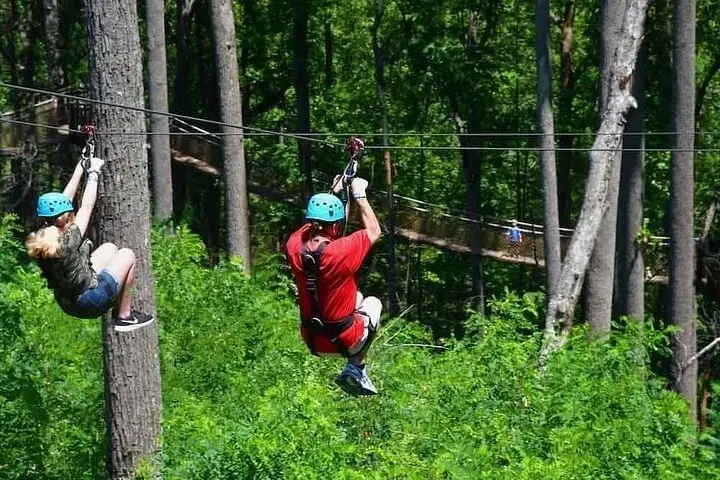
Less than two hours from Nairobi, Kereita Forest pairs hands-on canopy adventure with quiet montane trails and a sobering colonial history—perfect for families, teams, and curious travelers seeking a full-day pulse of nature.
 Related story
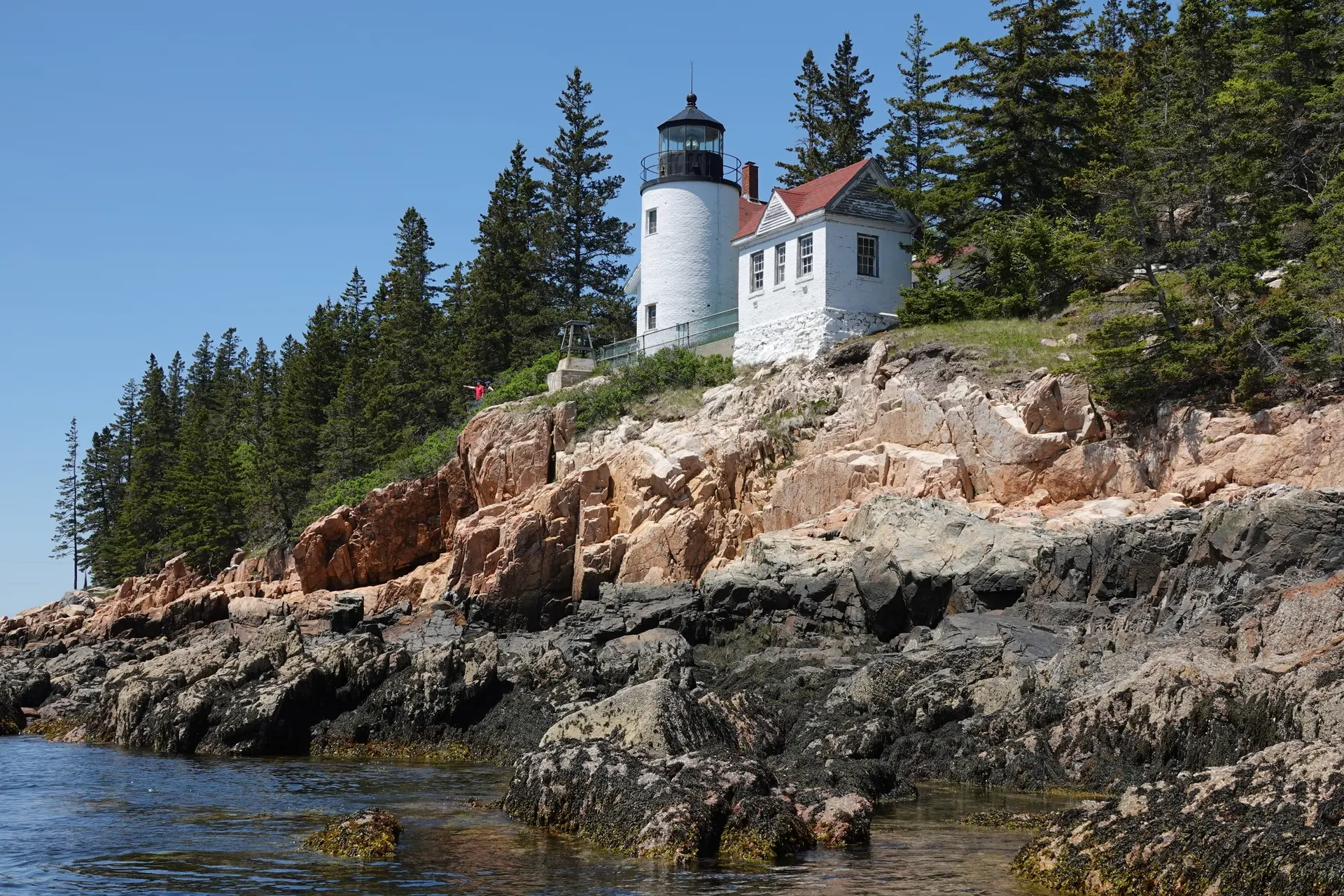
Set out from Bass Harbor for a private, customizable day on Blue Hill Bay — lighthouses, puffins, seals, and the chance to feel Acadia from the water. Small groups, local captains, unforgettable views.
 Related story
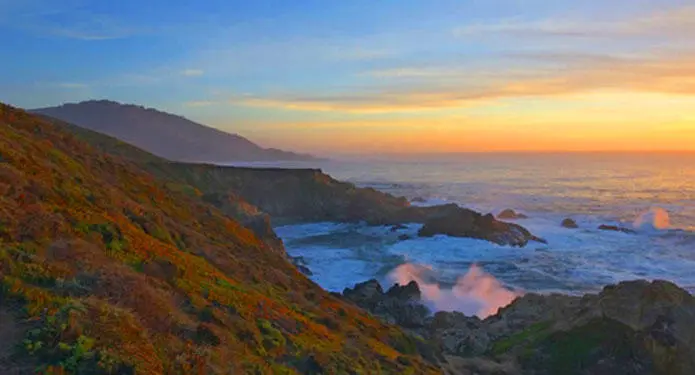
In four hours you can move from shaded canyon ferns to wind-scoured coastal ridgelines, guided by someone who knows where the light—and the hidden views—live. This private half-day hike on the Monterey Peninsula or Big Sur is compact, curated, and perfect for travelers who want depth without a multiday commitment.