
What the day feels like
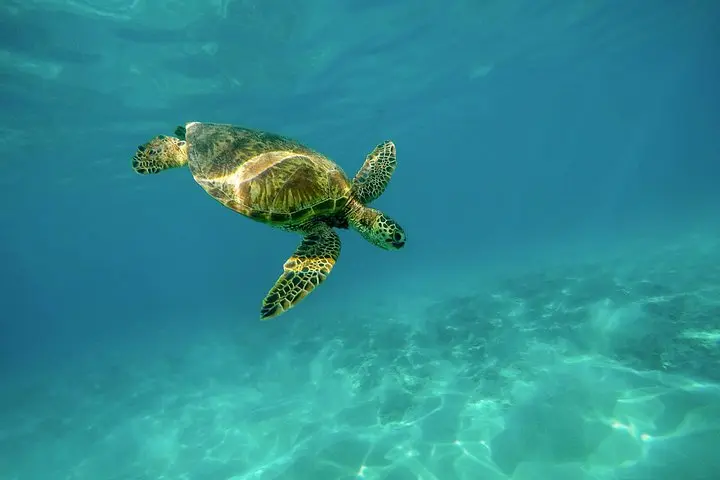
The boat bucks and settles as the break between the mainland and Cook Island opens into a bowl of turquoise. Salt stings your lips; the motor’s low thrum thins to the click of fins and laughter. Ahead, a dark scrawl on the water surface resolves into the back of a turtle—deliberate, unhurried—surfacing to check you out before slipping back into the liquid green. You don a mask, kick through a final curtain of sun-silver on the swell and let the Pacific take you. Minutes later a mottled shell glides under your chest, eyes like old coins, and the whole thing becomes astonishingly simple: breathe, watch, float.
This is snorkeling at Cook Island, a small protected reef and nature reserve reachable by a short ride from the Gold Coast. Tours—including the local favorite <a href="https://app.advcollective.com/local-experts/swim-with-turtles-at-cook-island-gold-coast-snorkel-adventure">Swim with Turtles at Cook Island</a>—pack a compact, high-value experience into roughly two and a half hours: an easy boat hop, guided snorkel zones, and a close-up with the marine life that gives this stretch of coastline its pull. It’s not a thunderous, adrenaline-fueled spectacle; it’s quietly intimate—an encounter built on patience, respect, and good timing.
Geology and ecology shape the script here. Cook Island rises from the continental shelf just off the Tweed Coast, its rocky shoulders sheltering kelp and coral outcrops. The currents around the island deliver nutrients that feed an unusually biodiverse pocket of subtropical marine life, which in turn attracts turtles—primarily green and loggerhead—to graze seagrass and pick at invertebrates. The Traditional Owners of this coastline, the Bundjalung peoples, have fished and placed cultural meaning in these waters for millennia; modern conservation laws now protect the island as a nature reserve and provide the framework for low-impact tourism.
On any given tour you’ll move through a simple choreography: a short safety briefing, the walk-down into tepid water, and guided drifts around an agreed route so swimmers don’t scatter. Local guides read the currents and the animals, steering groups to places where turtles surface with predictable regularity. Because the island is protected, operators emphasize minimal contact: observe, don’t touch; float, don’t chase. That ethos makes the encounters more meaningful—turtles often return to their own patterns when they aren’t provoked—so photographers, especially, learn to move slowly and let the animal dictate the shot.
Practical details matter here. The advertised duration is about 150 minutes—enough time to get to the island, complete two or three guided circuits, and return. The water is subtropical and usually warm through summer and autumn; however wind and swell can change the feel of the trip quickly. Tours supply basic snorkel gear; if you bring your own mask and snorkel the fit and visibility will often be better. Reef shoes help with rocky entries and exits, and a thin rash guard or wetsuit can extend comfortable time in the water if the sea is cool. The best windows are mornings when offshore breezes haven’t yet built and visibility is highest.
The experience is accessible to a wide range of travelers: families with competent swimmers, casual snorkelers, and curious travelers who want wildlife over thrills. It’s not scuba diving—depths are shallow and the interaction is surface- and reef-focused—so training is minimal. Still, packing a small dose of preparation lifts the whole day: arrive hydrated, secure any loose camera gear, and pick an operator that runs small groups and briefings focused on wildlife etiquette.
For photographers, the island rewards patience. Shots taken from the surface with polarized lenses capture the color of the shell and the motion of the rays of light beneath. Underwater cameras fare best at close range; don’t rely on long zooms here because animals move slowly and photographers who chase ruin both the image and the moment. Compositionally, include a sliver of reef or the island silhouette to frame the turtle in its place rather than as a floating specimen in blue.
Culturally, a post-snorkel stop in nearby Kingscliff or Burleigh Heads brings the day into local life: get coffee in a palm-lined café, or order fish and chips while the salt dries on your skin. The coastline’s small communities are a reminder that this isn’t remote wilderness but a living, managed seascape. Respect for that balance—livelihood, recreation, and habitat—keeps tours available and turtles safe.
If your image of wildlife travel is a stampede of people and cameras, Cook Island will disabuse you. The reward here is scale and proximity, not spectacle. To swim with a turtle is to slow your pace to theirs; it’s a lesson in attention and restraint. Those who come prepared—physically, logistically and ethically—leave with one of those quiet stories that follow you home: a coin-eyed face peering up through green water, a gentle kick, and then the animal, always, moving on.
Plan smart: book a morning slot, bring your own mask or be sure to try supplied gear before you jump in, and pick an operator with clear wildlife rules. If the Pacific is a teacher, Cook Island is one of its small studios—an intimate class on how to move through wild water without making a mark.
Trail wisdom
Small choices, better day.
Bring Your Own Mask
A well-fitting mask will prevent leaks and fogging; many tour-supplied masks are basic—try yours on before you board.
Use Reef-Safe Sunscreen
Apply biodegradable sunscreen before boarding to protect the reef and avoid the greasy cloud that can reduce visibility.
Float Don’t Chase
Remain still and let turtles approach; moving toward them alarms the animals and risks fines in protected zones.
Hydrate and Snack
Bring water and a light snack for after the snorkel—saltwater can dehydrate you quickly and boots/fins burn energy.
Local knowledge
Read the place, not just the route.
Watch for native species including Green Turtle, Loggerhead Turtle.
Keep an eye out for wildlife during the transition between areas and habitats. Respect distance guidelines.
Operators follow marine-park guidelines—stay at advised distances, use reef-safe sunscreen, and pack out all waste to minimize impact.
Follow the guide's instructions on size limits, ethical handling, and leave-no-trace practices.
Rock pools at Fingal Head for low-tide exploration. Short coastal walk at Kingscliff Headland with birdwatching
Locally recommended viewpoints and quiet spots known best to local operators.
Cook Island is a protected nature reserve and the surrounding waters have been used and cared for by the Bundjalung people for generations.
Maritime roots and regional tradition shape the waterways and working coasts.
Seasonal guide
Four versions of the same landscape.
Spring
Best forMilder sea temps · Fewer summer crowds
ChallengesVariable swell · Occasional runoff after storms
Spring brings warming waters and increasing visibility, but late storms can cloud the water; morning trips are usually best.
Summer
Best forWarmest water · Long daylight hours
ChallengesStronger winds and afternoon storms · Peak tourist season
Summer is warm and inviting for swimmers though sea breezes and storms can occasionally push tours to alternative sites.
Fall
Best forCalm seas and clear water · Excellent wildlife activity
ChallengesSlightly cooler mornings · Limited operator slots as demand grows
Autumn is often the ideal balance of sea calm and marine activity—book morning departures for best conditions.
Winter
Best forCalm, crisp mornings · Fewer tourists
ChallengesCooler water temps · Need for thicker protection
Winters are cooler but still workable with a wetsuit; visibility can be excellent on clear, calm days.
Operator details
What the booking data adds.
Included
- ✓Snorkel Equipment: mask, snorkel, wetsuit, fins, flotation noodle if requested
Not included
- —Life jackets will not be worn in the water - all participants must be able to swim
Good to know
- ✓Public transportation options are available nearby
- ✓Infants are required to sit on an adult’s lap
- ✓Not recommended for travelers with spinal injuries
- ✓Not recommended for pregnant travelers
- ✓Travelers should have at least a moderate level of physical fitness
- ✓You can confidently swim 50 metres unassisted
- ✓Do you have any pre-existing medical conditions we should be aware of
Pack with intention
What to bring.
Good to know
Common questions.
No—basic swimming competency and comfort in open water is sufficient; guides accompany groups and provide safety briefings.
Plan the edges
The details that make the day easier.
Cook Island is a protected marine reserve and a regular feeding ground for green and loggerhead turtles—commercial tours operate under strict wildlife guidelines to maintain those populations.
After the snorkel, head to Kingscliff for laid-back fish-and-chips, or drive south to Burleigh Heads for craft beer and beachfront cafés—both pair perfectly with sun-dried skin and a sea-salted appetite.
- Closest airport
- Gold Coast (OOL)
- Coolangatta; Typical driving distance
- 20–40 minutes from central Gold Coast depending on departure point; Cell service: intermittent once offshore—expect limited data at the island; Permits: none required for day snorkelers, but the island is a protected nature reserve—follow operator rules.
Cook Island sits in a protected marine area—use reef-safe sunscreen, avoid disturbing wildlife, and choose operators committed to low-impact practices to help preserve turtle habitats.
Explore by topic
Follow the threads.
Keep exploring
Make the story part of the trip.
 Related story
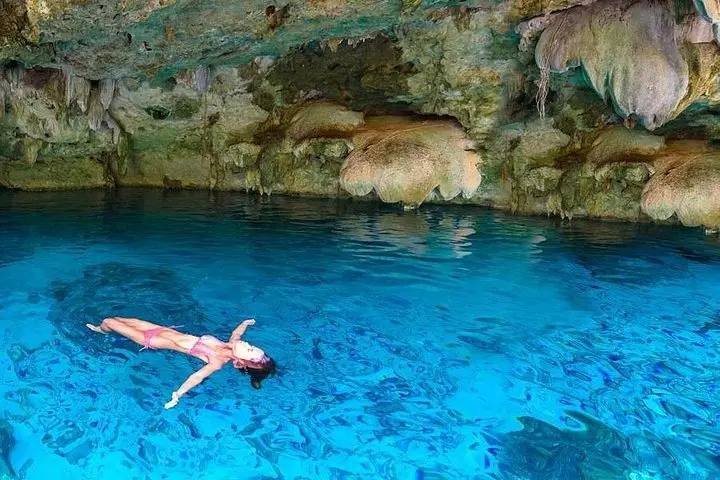
Dive into the Yucatán’s secret freshwater caverns and drift over the shallow reef gardens of Yalku Lagoon—an accessible, half-day snorkel pairing that blends geology, Mayan history, and vivid marine life.
 Related story
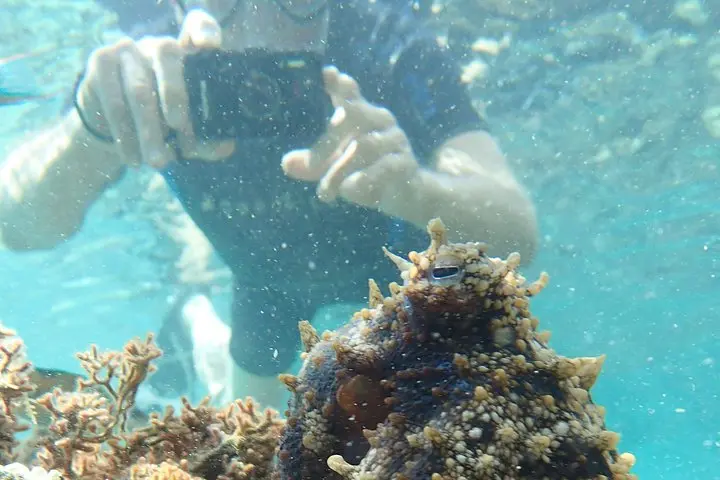
Slip beneath Porto Santo’s sunlit surface to find a mosaic of seagrass meadows, volcanic shelves, and playful schools of fish. This three-hour snorkeling tour pairs small-group access with local stewardship—ideal for travelers who value marine life over crowds.
 Related story
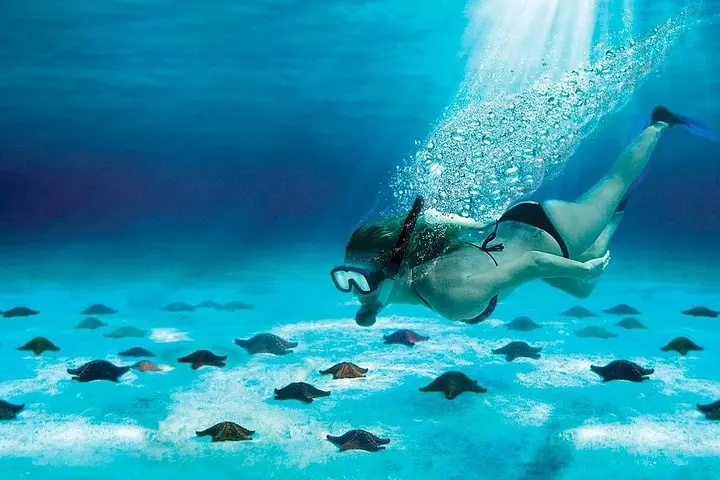
Spend a day on a high-speed boat exploring Cozumel’s famed reefs and the shallow sand flats of El Cielo. This full-day trip offers clear water, abundant marine life, and guided snorkeling at three prime sites—ideal for both first-timers and seasoned reef lovers.