
What the day feels like
Dawn finds the spartina grass inhaling the tide. The marsh exhales gulls and a silver breeze. You step aboard under a wide T-top, the deck still cool, rod tips rattling as the boat noses from the dock into a maze of creeks that feel like secret hallways. It’s quiet but for the hum of the outboard and the oystercatchers scolding the day awake. Charleston’s skyline lingers behind you; ahead, a slick of current curls along a shell bank like a hint. The water is speaking if you listen long enough. Inshore fishing here isn’t about running far; it’s about reading what’s right in front of you.
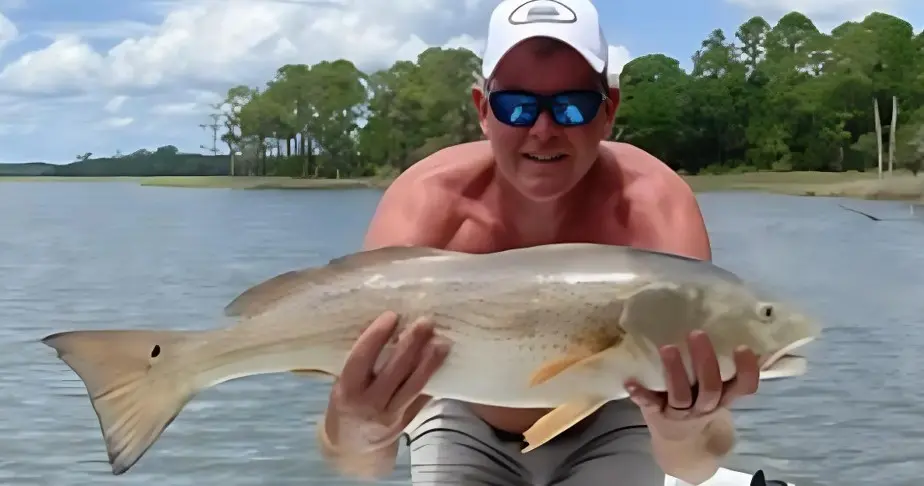
Three hours on the flats can be a masterclass in patience and payoff. Red drum tail in the shallows, spotted seatrout ghost along drop-offs, flounder ambush where sand meets mud. The captain eases off the throttle and the boat drifts. Cast along the grass. Let the jig swing across the current seam. The line tightens, taps once, then draws with purpose. The marsh applauds in ripples. You plant your feet and answer back.
This is South Carolina’s Lowcountry up close—soft light, soft mud, sharp fishing. The geography is a lesson in motion: barrier islands shaped by longshore currents, back-barrier sounds fed by blackwater rivers, and a salt marsh stitched together by smooth cordgrass. Pluff mud holds it all like a secret. Hurricanes rearrange the furniture, and the marsh adapts. Out here the tide is the clock and the fish keep time, slipping into creeks on a flood to hunt crabs along the grass, dropping back to deeper guts when the water drains. Show up on their schedule and you’re part of the conversation.
History is never far from the gunwales. The Morris Island Lighthouse—first lit in 1876—now stands offshore, exiled by erosion and tide, a sentinel to constant change. Rice-era canals still lace the marsh if you know how to see them, straight cuts where enslaved Africans once labored and where water still moves with purpose. The Gullah Geechee story threads through the islands as strong as the estuary itself. Oysters, the Lowcountry’s original architects, build reefs that cradle the shore and kingsnake through recipes across generations. You fish among those histories; the marsh remembers.
On a short inshore charter, you’ll work the leeward side of shell banks when the breeze picks up and cut quietly across flats on the flood, scanning for nervous water. The boat’s T-top throws shade when the sun climbs, and the cushioned bench invites quick breaks between spots. There’s no restroom onboard, so plan ahead. Sunglasses are as essential as bait; polarized lenses carve the glare off the water and reveal contours you’d otherwise miss. Bring a wind layer—sea air can carry a bite even when the forecast says warm—and opt for non-aerosol sunscreen to keep the deck happy.
The appeal is its accessibility. Inshore water is protected and forgiving, usually free from the heave of open ocean. Kids can handle the ride, and newcomers pick up the rhythm quickly. The captain reads the tide and the birds and shows you how a wake around a crab pot can point to current, how a V in the grass might be a fish pushing. When the dolphin show up—because they often do—they ride your bow and then peel away to hunt the same mullet you’re chasing. The ecosystem feels alive and collaborative.
Fall brings bull red drum, big shoulders in shallow water that test your drag and your nerve. Spring leans softer—speckled trout and slot reds on popping cork rigs—and winter reveals the marsh with low, clear water, reds schooling tight against sun-warmed flats. Summer is a color wheel of baitfish, thunderheads, sunscreen, and afternoon sea breezes, with early and late sessions avoiding the peak heat. Whatever the season, check local regulations, pack out what you bring, and treat each fish with care; this marsh is a nursery, and the next generation is already staging under your hull.
If you want a deeper dive on captains, tactics, and tides, consult trusted resources and regional pros—our network of Lowcountry guides and local experts can help you plan smarter days on the water. Explore curated insights from seasoned Charleston captains via our local experts hub: <a href="https://app.advcollective.com/local-experts/undefined" target="_blank" rel="noopener">Charleston fishing guides</a>. Looking to refine your approach before you cast? Tap into tactical notes and gear checklists straight from the dock on our <a href="https://app.advcollective.com/local-experts/undefined" target="_blank" rel="noopener">inshore fishing tips</a>. And if you’re building a multi-day itinerary around the creeks, our <a href="https://app.advcollective.com/local-experts/undefined" target="_blank" rel="noopener">Lowcountry local experts</a> can layer in tidal windows, family-friendly stops, and weather-aware planning.
Practicalities define a good day. Stash water and quick snacks. Closed-toe shoes are smart if you step onto shell banks during a quick beach comb on longer trips. Keep your casts low when the wind stacks—marshall your line like you do your patience. Expect to fish bait, soft plastics, or even topwater, depending on what the tide and season suggest. And come ready to switch: the marsh rewards adaptability. The best catch may be the one you weren’t targeting.
At the end of three hours you’ll glide back across the slick, the boat’s wake plaiting the creek behind you, the marsh already resetting the stage for the next tide. You’ll carry the smell of salt and the memory of a pull that startled you into grinning. Out here, the water moves the day forward. You just have to show up on time.
Trail wisdom
Small choices, better day.
Fish the Tide, Not the Clock
Book early or late to bracket moving water; inshore species feed hardest around changing tides.
Polarized Lenses Are Non-Negotiable
They cut glare, reveal grass lines and drop-offs, and help you spot fish before they spot you.
Mind the Deck and the Rods
Keep lines organized and hooks pinned to avoid tangles—especially with kids on board.
Hydrate and Shade Up
Bring water, a hat, and non-aerosol sunscreen; there’s shade under the T-top but the sun reflects off the water.
Local knowledge
Read the place, not just the route.
Watch for native species including Bottlenose dolphins, Brown pelicans.
Keep an eye out for wildlife during the transition between areas and habitats. Respect distance guidelines.
Salt marshes are essential nurseries for juvenile fish and shellfish. Handle catches with wet hands, follow size and bag limits, and avoid trampling living oyster reefs.
Follow the guide's instructions on size limits, ethical handling, and leave-no-trace practices.
Views of the Morris Island Lighthouse from the flats on clear mornings. Oyster mounds at low tide that hold surprising numbers of redfish on the flood
Locally recommended viewpoints and quiet spots known best to local operators.
The Morris Island Lighthouse near Folly Beach was first lit in 1876 and now stands offshore due to coastal erosion, a reminder of the Lowcountry’s ever-shifting shoreline.
Maritime roots and regional tradition shape the waterways and working coasts.
Seasonal guide
Four versions of the same landscape.
Spring
Best forActive redfish on flood tides · Speckled trout on popping corks
ChallengesWindy fronts · Shifting temperatures
Mild days and lively baitfish make spring a versatile season with mixed-bag action around grass lines and creek mouths.
Summer
Best forEarly topwater strikes · Family-friendly calm water
ChallengesHeat and humidity · Pop-up thunderstorms
Go early or late to beat the heat; watch the radar and seek leeward shorelines when sea breezes kick in.
Fall
Best forBull red drum · Clearer water and bait runs
ChallengesStronger winds after fronts · Variable morning chills
Peak time for big reds on edges and inlets; stable weather windows make for memorable sessions.
Winter
Best forSight-fishing redfish schools · Quiet creeks with less traffic
ChallengesCold, clear water · Shorter daylight
Bundle up and bring a wind layer; low, clear tides concentrate fish along sun-warmed flats.
Pack with intention
What to bring.
Good to know
Common questions.
Most inshore charters in South Carolina carry a blanket license that covers guests, but confirm with your captain before departure.
Plan the edges
The details that make the day easier.
The Morris Island Lighthouse near Folly Beach was completed in 1876; due to shoreline erosion, it now stands isolated offshore, surrounded by water.
Post-trip, grab a tray of roasted oysters at Bowens Island Restaurant overlooking the same marsh you just fished. In Folly Beach, Taco Boy serves coastal-friendly bites and cold drinks steps from the sand. If you’re headed back to town, Low Tide Brewing on Johns Island and Revelry Brewing in Charleston pour local favorites with plenty of outdoor space.
- Closest airport
- Charleston International (CHS). Departure: Marsh docks near Folly Beach
- Bowens Island (about 25 minutes from downtown Charleston). Cell service
- Generally good but spotty in deeper creeks. Permits: Most charters cover fishing licenses—confirm beforehand. Group size: Up to 6. No restroom onboard.
Salt marshes are living nurseries—avoid aerosol sunscreen on deck, pack out all trash, release over-slot fish quickly, and never step on live oyster reefs.
Explore by topic
Follow the threads.
Keep exploring
Make the story part of the trip.
 Related story
Aksla is the small mountain that makes Ålesund legible: 418 steps, sweeping panoramas, and a short tour that threads architecture and coastline into 90 minutes of memorable sightlines. Perfect for anyone who wants a quick, high-reward encounter with Norway’s west coast.
 Related story
The New York Public Library’s Main Branch is more than a photo stop—it's a civic living room, an architectural landmark, and a waypoint for walking tours that stitch together Midtown’s history, films, and holiday rituals. Here's how to make the most of a visit.
 Related story
Five miles of riverfront walking that reveal NYC’s quieter rhythms—Riverside Park pairs easy urban hiking with history, birdlife and a front-row view of the city’s climate resiliency efforts. Walk a stretch or follow the Greenway; either way, the Hudson makes its presence felt.