
What the day feels like
You feel it before you see it — a steady, ocean-scented wind that carries the island in on a slow, salty breath. At the tour meeting point in Bridgetown the van’s windows are already rolled down and a chorus of surf and traffic hums in the background. Within minutes you’re on a single-lane road that hugs limestone cliffs, the Atlantic on your left daring you to look away from the driver’s anecdotes. The guide cracks a joke, uncaps a stale map, and the mood changes from sightseeing to something more intimate: an introduction to how a small island keeps a wide world inside it.
This is the premise of the Around The Island drive — three hours to make a 360° circuit of Barbados with stops at the places that stitch the island’s stories together. It’s not a race along a postcard coastline but a paced, conversational loop that mixes geology, plantation-era history, and a few well-chosen detours. You’ll watch waves batter a reef-scarred shore on the rugged east coast, then cross over to the gentle, turquoise-smooth west where sailors and sugar magnates once anchored. Midway you’ll be invited into a local rumshop for a lunch that’s as much cultural exchange as it is a meal: strong rum punch, flying fish dishes, and a chance to ask the people who live here why they love this island.
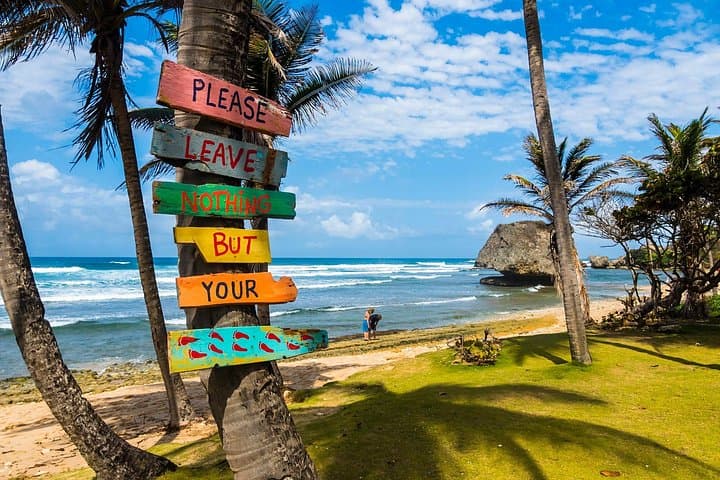
Barbados is limestone atop ancient coral terraces; its low, porous geology funnels groundwater into subterranean wells and shapes the island’s broad, palm-swept plains. That geology explains the island’s roads — curving to follow coastal benches — and its settlement patterns, with towns clustered near natural harbors like Bridgetown. The east coast tells a different story: Atlantic swells sculpt cliffs, creating dramatic vistas and surf breaks that have made Bathsheba a magnet for photographers and surfers alike.
The island’s cultural history arrives in layers. Indigenous peoples gave way to colonial sugar economies, with plantations that shaped both the land and a complex human history you’ll hear about on the drive. Rum is not a novelty here — it’s an industry and a ritual. Many Barbados tours culminate at distilleries, but this one’s rumshop stop is a grassroots moment: a modest, shaded building where locals debate cricket scores and where the meal is as informative as it is delicious. Expect flying fish and cou-cou in varying permutations, plenty of plantain, and a rum punch potent enough to put a hitch in your cadence.
Why choose this over a self-drive? For many travelers, the value is in the local voice. The driver-guide points out subtle cultural clues — a Georgian manor in partial ruin, a roadside vendor selling spicy fish cutters, a church with a plaque connecting the present to the 19th century — that a map can’t convey. The van route is reliable and compact: roughly three hours, instant confirmation when you book, and a price that bundles transport and a meal.
Practicalities matter. The route covers gravel and paved roads but no technical hiking; it’s accessible for most travelers who can sit comfortably for a few hours. Bring sunscreen and a light rain layer; weather can flip from bright to brief showers, and the east coast wind cuts across open stretches. Hydration is essential — the Caribbean sun is subtler than a desert sun but no less effective at dehydrating you.
For photographers, the visual palette is wide: jagged rocks and pounding surf on the Atlantic side, mirrored lagoons and calm bays on the Caribbean side. The trick is to plan composition around people and place: include a rumshop’s colorful facades or a vendor’s display of pepper sauce to anchor the shot in local life. Early light softens the planted fields and draws texture from limestone walls; late light gilds sugarcane rows.
If you want to plan like a local: aim for a morning departure to avoid the bulk of the island’s midday traffic and to catch the east coast at its most photogenic. Ask your guide for stop recommendations off the standard route — many guides know a little beach-access path or a roadside stall selling the best fish cutters. And don’t be shy with questions; one of the tour’s selling points is the friendly, knowledgeable local guide who will happily narrate what you’re seeing.
Safety and respect are part of the experience. The island’s ecosystems — coral reefs, coastal scrub, and mangrove-lined creeks — are delicate. On stops, keep a small distance from nesting birds and don’t remove shells or corals. In exchange, you’ll see an island that feels lived-in rather than staged for tourists: children racing along seawalls, fishermen hauling traps into a shallow inlet, elders swapping stories in a rumshop’s shade.
This Around The Island trip is not a bucket-list adrenaline rush; it’s a condensed education delivered at coastal speed. For three hours you’ll gain a geography of place and people — a sense of how Barbados fits together, physically and culturally. If you leave wanting to linger longer at a beach or return for a multi-day surf trip, that’s the point. The tour is an invitation, not a finish line.
If you’re ready for a quick but layered introduction to Barbados — one that balances ocean spectacle with local flavor — book the tour, bring curiosity, and save room for the rumshop lunch. For booking and local expert details, see the full tour listing here: https://app.advcollective.com/local-experts/around-the-island-barbados-full-circle-coastal-cultural-drive-with-local-rumshop-lunch. For repeat reference, the tour page also has pickup details and sample itineraries: https://app.advcollective.com/local-experts/around-the-island-barbados-full-circle-coastal-cultural-drive-with-local-rumshop-lunch.
Trail wisdom
Small choices, better day.
Sit by a window
Request a window seat on the seaward side for unobstructed views and better photos.
Keep cash for stalls
Bring small bills for roadside vendors and for tipping at the rumshop.
Layer light
A light windbreaker handles coastal gusts and sudden showers without bulk.
Hydrate before and after
Three hours of sun and rum can sneak up on you — drink water between tastings.
Local knowledge
Read the place, not just the route.
Watch for native species including Brown Booby (coastal seabird), Green Monkey (occasionally seen in inland areas).
Keep an eye out for wildlife during the transition between areas and habitats. Respect distance guidelines.
Coastal ecosystems are fragile — avoid collecting shells or coral, and support local businesses that practice reef-friendly behavior.
Follow the guide's instructions on size limits, ethical handling, and leave-no-trace practices.
A short path to Bathsheba’s subtle coves—best at low tide. A roadside vendor near Oistins that sells outstanding fish cutters
Locally recommended viewpoints and quiet spots known best to local operators.
Barbados’ coastal settlements grew around sugar estates and port trade; Bridgetown was a central hub in the British colonial Caribbean.
Maritime roots and regional tradition shape the waterways and working coasts.
Seasonal guide
Four versions of the same landscape.
Spring
Best forFewer crowds · Calmer seas for west-coast views
ChallengesIntermittent short showers · Humidity rises later in season
Late spring (March–May) is warm with stable weather — good for clearer coastal photography and comfortable road travel.
Summer
Best forLush landscapes · Long daylight hours
ChallengesHeat and higher humidity · Occasional tropical downpours
Summer brings vibrant green hills but stronger sun and a higher chance of brief storms; plan early starts.
Fall
Best forQuieter roads · Rich local produce in markets
ChallengesHurricane season peaks from August to October · Some days can be windy
Fall can be quieter but carries hurricane-season risk; book with flexible cancellation and check forecasts.
Winter
Best forDry, sunny days · Peak visibility for coastal vistas
ChallengesHigher tourist numbers · Prices can be elevated
December–March is the dry season and ideal for uninterrupted coastal views and comfortable touring conditions.
Operator details
What the booking data adds.
Included
- ✓.
Good to know
- ✓Infants and small children can ride in a pram or stroller
- ✓Public transportation options are available nearby
- ✓Infants are required to sit on an adult’s lap
- ✓Specialized infant seats are available
- ✓Suitable for all physical fitness levels
Pack with intention
What to bring.
Good to know
Common questions.
The tour lasts about three hours and covers a full coastal loop with multiple short stops and a rumshop lunch.
Plan the edges
The details that make the day easier.
Barbados is home to Mount Gay Rum, established in 1703 and often cited as the world’s oldest commercial rum distillery.
After the drive, head to Oistins for a fish fry if it’s a weekend, try flying fish and cou-cou at the rumshop lunch, and sample Banks beer or a local rum punch. For nightlife, St. Lawrence Gap offers lively bars and beachside restaurants.
- Closest airport
- Grantley Adams International Airport (BGI)
- Typical pickup
- Bridgetown-area hotels
- Driving distance
- Full loop ~3 hours with stops
- Cell service
- Good around most of the island, spotty on rugged east coast
- Permits
- None required.
This tour visits sensitive coastal areas — stay on marked paths, avoid disturbing wildlife, and support local businesses that use reef-safe practices.
Explore by topic
Follow the threads.
Keep exploring
Make the story part of the trip.
 Related story
Less than two hours from Nairobi, Kereita Forest pairs hands-on canopy adventure with quiet montane trails and a sobering colonial history—perfect for families, teams, and curious travelers seeking a full-day pulse of nature.
Set out from Bass Harbor for a private, customizable day on Blue Hill Bay — lighthouses, puffins, seals, and the chance to feel Acadia from the water. Small groups, local captains, unforgettable views.
In four hours you can move from shaded canyon ferns to wind-scoured coastal ridgelines, guided by someone who knows where the light—and the hidden views—live. This private half-day hike on the Monterey Peninsula or Big Sur is compact, curated, and perfect for travelers who want depth without a multiday commitment.