
What the day feels like
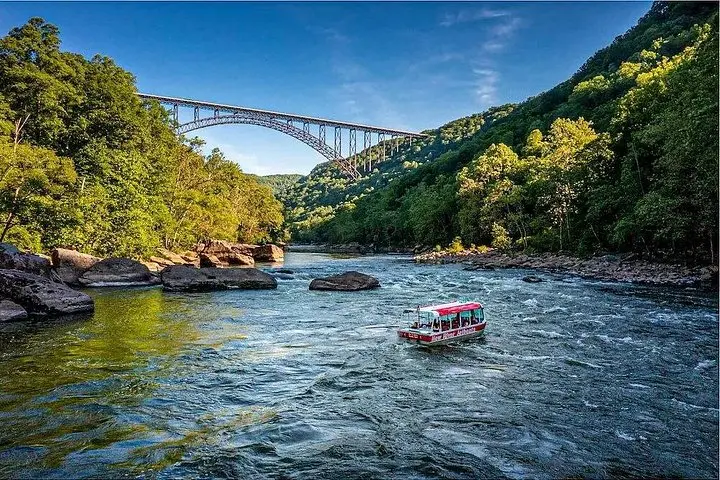
You step into the shuttle with a gaggle of weekenders, families with sticky-forehead kids, and a few hard-to-impress locals. The driver eases up a ridge, and the town—galvanized brick storefronts, a single blinking traffic light—shrinks behind you. The gorge arrives without ceremony: a cliffside yaw, hardwoods clinging to sandstone, and a steel-arched bridge spanning the canyon like a deliberate dare. By the time the marina slides into view, the river is already doing its usual work—rolling, reflecting, and daring you to keep up.
A two-hour jet-boat run on the New River Gorge isn’t just about speed; it’s a way to reframe a landscape you might otherwise only glimpse from overlooks and trailheads. The New River is old in the geological sense—one of North America’s most ancient waterways—its current having carved a canyon that plunges nearly 1,000 feet at its deepest. That slow, patient erosion has created pockets of whitewater, broad pools, and cliff faces scored with coal seams and fossils. From the water, the bridge—completed in 1977 and the long, graceful arch it forms—feels less like engineering and more like punctuation.
Local history threads through the ride. Coal towns once lined the river, their names stamped into railroad timetables; the gorge carried both freight and a tough Appalachian culture forged in steel and shale. Today, the New River Gorge is a quieter economy of climbers, kayakers, and those drawn by the scenic authority of the bridge. The jet-boat tour redesigns that old commercial energy into a pleasure loop—guests get the acceleration and spray of sport, plus a guided primer on how the gorge came to be and the human stories that cling to its banks.
The geology is the real star: sandstone and shale bedrock, river-sculpted alcoves, and the occasional fossil pointing back to tropical seas. On an autumn run the river acts like a mood ring; it burns with maples and oaks, then shifts to cooler blues where the gorge narrows and shadows deepen. In summer, the water is a relief, a concussive element that pushes back heat. Winter flips the script—ice-flourished ledges and a quieter river that seems almost sentimental about the history it keeps.
Practicalities anchor the romance. This Viator-run experience runs about 120 minutes, and the operator provides a roughly 30-minute shuttle from central Fayetteville to the marina—no heavy hiking required. There are no age restrictions, which makes it an easy family outing, but the ride is fast and open to the elements; bring layers and a sense of motion tolerance. Tours run multiple times per day in season and include narration—so you’ll get local lore, geology, and pointers to the best photo angles as part of the price. Booking online is instant-confirmation, and most operators offer free cancellation windows, an essential perk if weather looks marginal.
Safety is straightforward: life jackets provided, crew briefings before departure, and captains who know when to temper the throttle for young passengers or wildlife sightings. Still, you’ll want a waterproof phone pouch and sunglasses with a strap. If you’re hoping for views of the bridge without the boat’s wake, time your trip for early morning or late afternoon when the light slants across the gorge and day boats thin out.
Culture here feels locally curated. Fayetteville’s revival as a gateway town—filled with outfitters, a handful of good pubs, and porch-side cafés—means you can string this trip into a whole-day itinerary: morning climb or a canopy tour, mid-day jet-boat, then a slow local dinner. For photographers and scenic junkies, the eye candy never stops: rock textures, curved bridge lines, and river glass punctuated by ripples.
To plan it right: aim for shoulder season if you want fewer boats and dramatic color—late September into October is especially good. If you prefer warm weather and swimming stops, July is your month. Expect variable cell service once you’re tucked into the gorge; treat it like a digital detox. Finally, pick an operator that emphasizes environmental respect—this is a National Park area, and boating responsibly keeps the shoreline and habitats healthy for the next visitor.
A jet-boat on the New River Gorge is, in essence, a compact, high-visibility way to understand this place’s scale and story. It’s accessible, social, and big on spectacle without asking you to be an expert. Whether you come for the adrenaline or the angles for your camera, you leave with a very clear sense of why this canyon has kept people coming back for generations.
Trail wisdom
Small choices, better day.
Time it for light
Early morning or late afternoon trips offer the best light on the bridge and reduced boat traffic for cleaner photos.
Bring a waterproof pouch
Electronics will get wet from spray—secure them in a pouch and use a floating strap for cameras or phones.
Dress in layers
Temperatures change quickly in the gorge; a light windproof shell over a breathable base keeps you comfortable on fast runs.
Mind motion sensitivity
If you’re prone to seasickness, take preventative measures before boarding—the ride is fast and can be bumpy.
Local knowledge
Read the place, not just the route.
Watch for native species including Bald eagle, River otter.
Keep an eye out for wildlife during the transition between areas and habitats. Respect distance guidelines.
The gorge sits within New River Gorge National Park & Preserve—follow Leave No Trace principles, stick to established launch points, and avoid disturbing shoreline habitats.
Follow the guide's instructions on size limits, ethical handling, and leave-no-trace practices.
Boat-level lookouts under the New River Gorge Bridge. Quiet coves upstream where geology is dramatically exposed
Locally recommended viewpoints and quiet spots known best to local operators.
The New River Gorge was a corridor for rail and coal extraction; the bridge, completed in 1977, transformed the area’s accessibility and tourism profile.
Maritime roots and regional tradition shape the waterways and working coasts.
Seasonal guide
Four versions of the same landscape.
Spring
Best forWildflower and early-green scenery · Cooler, less crowded runs · Active river flow visuals
ChallengesSeasonal spring rains can make the river choppy · Variable temperatures
Spring brings bright greens and higher flows that energize the gorge, but expect cooler mornings and occasional rain—dress in layers and check weather updates.
Summer
Best forWarm-weather outings and swimming stops · Long daylight hours · Family-friendly schedules
ChallengesHigher crowds on summer weekends · Strong sun exposure on open-water sections
Summer is ideal for warm-weather trips and family outings; wear sun protection and arrive early to avoid peak crowds.
Fall
Best forPeak foliage viewing · Clear skies and crisp air · Photography and quieter weekdays
ChallengesPopular season—book early · Cooler water temperatures if you plan to swim
Fall is the showstopper for leaf color and photography; expect busy weekends but unforgettable light.
Winter
Best forQuiet, moody canyon views · Snow-dusted cliffs and calmer tourist season
ChallengesColder temperatures and limited schedules · Icy conditions may affect access
Winter rides are quieter and atmospheric, but check operator schedules and layer up—services are more limited off-season.
Operator details
What the booking data adds.
Included
- ✓Government Fees
Not included
- —Gratuities
Good to know
- ✓Infants are required to sit on an adult’s lap
- ✓Suitable for all physical fitness levels
Pack with intention
What to bring.
Good to know
Common questions.
No age restrictions noted for this tour—operators accommodate families, but children should be supervised and life jackets are provided.
Plan the edges
The details that make the day easier.
The New River is often described as one of North America’s oldest rivers; the New River Gorge Bridge, completed in 1977, is the longest steel single-span arch bridge in the Western Hemisphere.
After the ride, head back to downtown Fayetteville for a craft beer and pizza at Pies & Pints or a coffee at the visitor-friendly café—local outfitters and the New River Gorge National Park & Preserve visitor center make good drop-in stops to learn more about climbing and hiking routes.
- Closest airports
- Beckley Raleigh County Memorial (BKW, ~30 minutes) or Charleston Yeager (CRW, ~60 minutes); shuttle to marina ~30 minutes from downtown Fayetteville; cell service is patchy in the gorge; no special permits for the boat tour but park rules and parking fees may apply; book tours in advance for peak season.
This trip operates in a National Park landscape—pack out what you bring, avoid touching nesting sites or shoreline plants, and choose operators that emphasize low-impact boating practices.
Explore by topic
Follow the threads.
Keep exploring
Make the story part of the trip.
 Related story
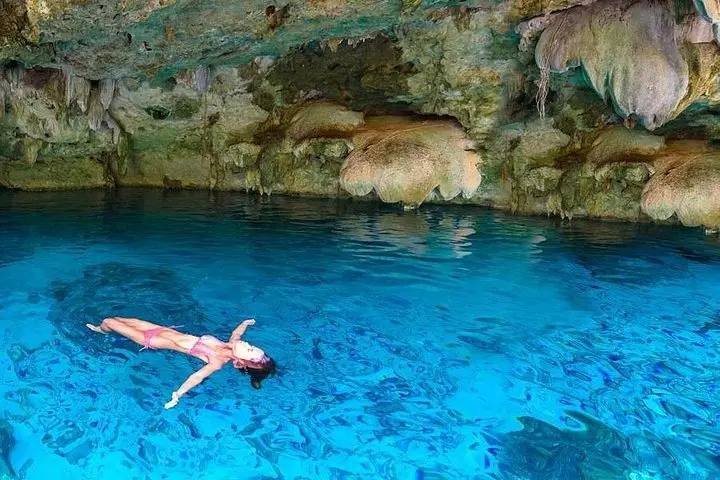
Dive into the Yucatán’s secret freshwater caverns and drift over the shallow reef gardens of Yalku Lagoon—an accessible, half-day snorkel pairing that blends geology, Mayan history, and vivid marine life.
 Related story
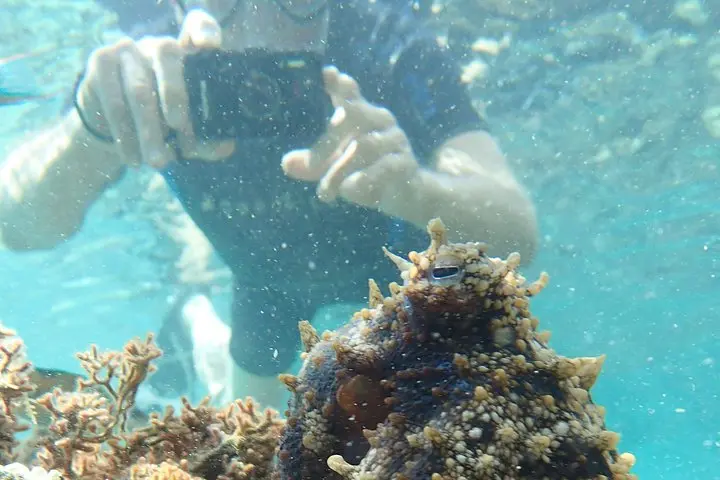
Slip beneath Porto Santo’s sunlit surface to find a mosaic of seagrass meadows, volcanic shelves, and playful schools of fish. This three-hour snorkeling tour pairs small-group access with local stewardship—ideal for travelers who value marine life over crowds.
 Related story
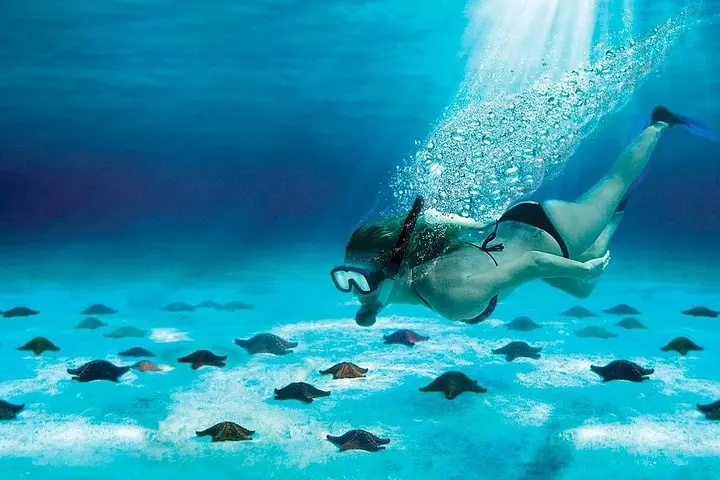
Spend a day on a high-speed boat exploring Cozumel’s famed reefs and the shallow sand flats of El Cielo. This full-day trip offers clear water, abundant marine life, and guided snorkeling at three prime sites—ideal for both first-timers and seasoned reef lovers.