
What the day feels like
First light slips over the marsh and the bay seems to wake with you. The skiff noses off the dock in Apalachicola—quiet, purposeful—and the water shivers with that nervous, pre-dawn slick that promises action. Out on the flats, the tide pushes forward like a coach insisting you get moving, nudging bait across seagrass meadows and around oyster bars. A tail flickers, then another. Redfish are here, and they’re on the feed. This is the rhythm of a day on Apalachicola Bay with the Inshore Flats Fishing Charter, a tight, five-hour hunt tailored to anglers who crave sight-fishing’s clean, electric hit.
The setup is smart and streamlined. You’re aboard a custom Sabalo 21 by Bonefish Boatworks, poling across shin-deep water where every puff of wind matters and every cast counts. Southern Salinity runs this <a href="https://app.advcollective.com/local-experts/inshore-flats-fishing-charter-apalachicola-florida">Inshore Flats Fishing Charter</a> with a focus on the kind of technical, quietly thrilling fishing that rewards patience and precision. Light Daiwa tackle hums in the hand. Topwater lures chat across the surface. Fly lines unspool with a whisper. The guide calls out targets—two o’clock, forty feet—and the bay dares you to put it right where it needs to go.
This is Apalachicola, anchoring Florida’s so-called Forgotten Coast: a working-waterfront town where shrimp boats idle at sunset and pelicans loiter like dockhands. The bay is a living experiment in balance. Freshwater from the Apalachicola River slides into the Gulf’s salt, creating a mosaic of habitats: marsh cuts, thin-water grass flats, and oyster bars that build their own tiny fortresses. That blend fuels a fishery known for variety—redfish, speckled trout, tripletail, flounder, even seasonal tarpon and Spanish mackerel. Historically, these waters also supported famed oyster grounds; at one point, Apalachicola Bay produced the vast majority of Florida’s oysters. That legacy is being rebuilt through restoration, and anglers here are part of the conservation story—treading lightly on seagrass, respecting slot limits, and practicing clean releases on big breeder reds.
On the poling platform, the guide reads wind like a second language and the tide like a clock. Marsh edges become migration routes. Oyster bars turn into ambush points. Run a small plug along the shell and it stutters in the current, a nervous thing waiting to be eaten. Some days, you hunt skinny water for copper tails. Other days, you slide along channel edges, feathering casts to shadow lines where trout blitz bait. Tripletail float like leaves beside crab-trap buoys—one well-placed cast, a half beat of patience, and the fish simply tips down.
For newcomers, this is a crash course in sight-fishing: keeping your loop low in the wind, learning to lead a cruising fish, learning when to wait and when to fire. For seasoned anglers, it’s tactical joy. The bay has a way of teaching without scolding. Miss one shot and the next presents itself; the flats are generous that way. Summer can bring migrating tarpon along the outer bars and beaches—silver giants ghosting into range. Fall often means big schools of redfish patrolling the grass, pushing wakes like miniature boats.
Between moves, Apalachicola’s story flows beneath the hull. This coast has a memory. Barrier islands—St. George, St. Vincent—shape currents and protect the bay, turning it into a nursery. The river, one of the most biodiverse in North America, feeds nutrients that keep this estuary alive. Local culture is equally intertwined with the water: seafood shacks with decades of lineage, maritime festivals, and a community that knows tides as well as calendars. When your guide fillets the day’s legal keepers and shares a five-star recipe, it’s not a gimmick; it’s continuity.
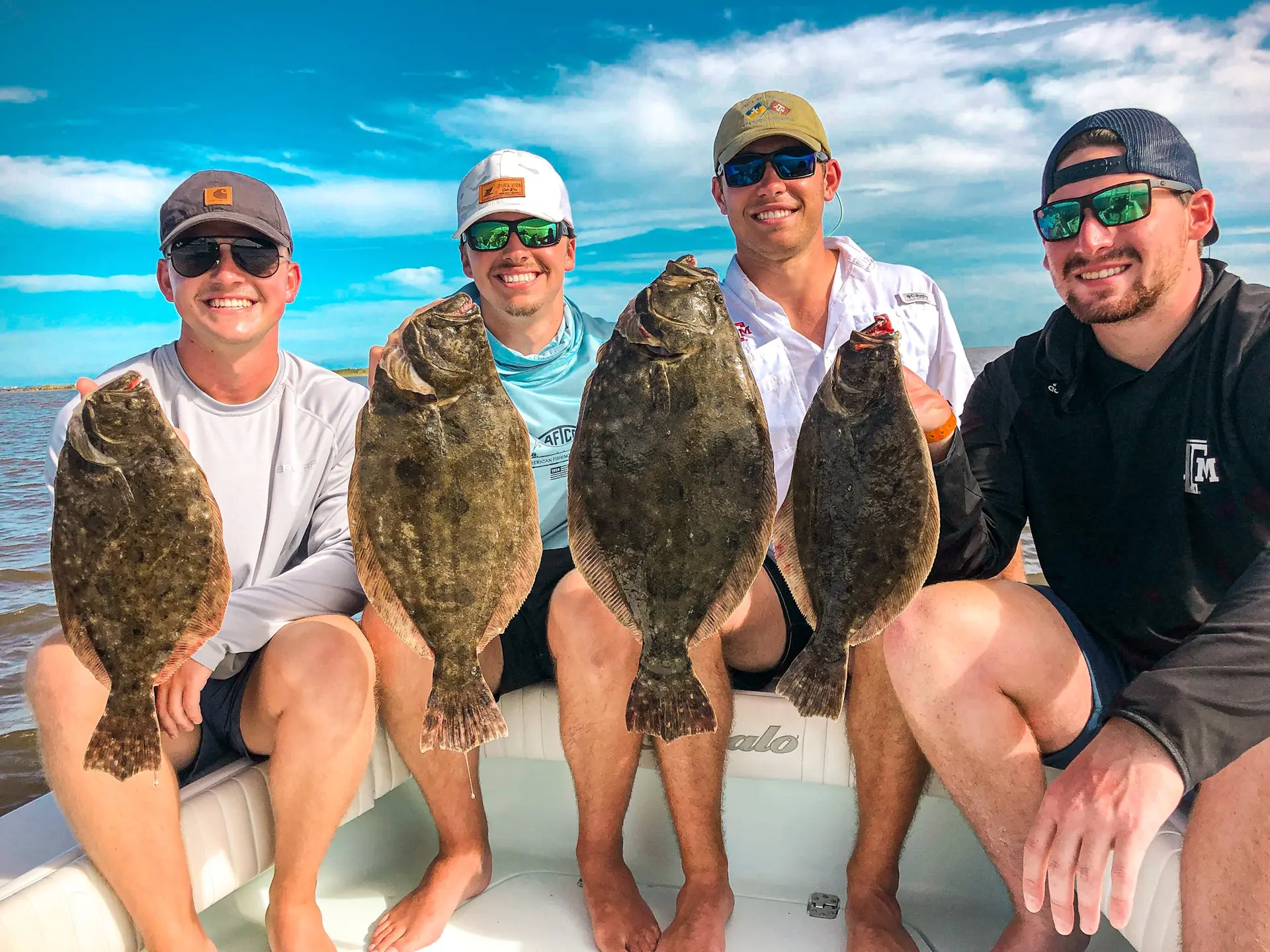
Logistics are easy. The base charter runs five hours and includes licenses, water, ice, pro-grade tackle, and fish cleaning. You bring polarized sunglasses, sunscreen, and an appetite for learning. The skiff makes shallow water accessible and stable, even for beginners. Seasickness is rare here—it’s more glide than rock. Want more time? Add an extra hour, or book a full-day six-hour push. With fish photos included, you’ll go home with proof that the bay smiled on you.
Timing matters. If tarpon are your dream, plan around summer. If redfish schools get you fired up, target fall. Winter still fishes—cleaner water, stealthier presentations—while spring is lively with trout and early-season tailers. Wind can be your ally and your nemesis; the guide will play the leeward edges and pick shots that capitalize on conditions. Tides write the schedule in pencil, not ink. Early or late starts often buy lower light and less pressure.
After you step back onto the dock, the day expands. A plate of local seafood tastes better when you’ve stalked its wild neighbors. Oyster City Brewing pours a cold pint that mirrors the bay’s easy tempo. And you’ll find yourself replaying the moment your lure landed, paused, and disappeared in a swirl—how the rod buried, how the fish bulldogged, how the grass line cheered like a quiet crowd. When you’re ready to run it back—or chase a seasonal grand slam—book your spot on the <a href="https://app.advcollective.com/local-experts/inshore-flats-fishing-charter-apalachicola-florida">Apalachicola Bay inshore flats fishing charter</a> with Southern Salinity, and let the water write the next chapter. For rates, dates, and details, the direct link is here: <a href="https://app.advcollective.com/local-experts/inshore-flats-fishing-charter-apalachicola-florida">Inshore Flats Fishing Charter in Apalachicola, Florida</a>.
Trail wisdom
Small choices, better day.
Wear Polarized Sunglasses
Copper or amber lenses cut glare and help you spot fish and structure on the grass flats and over oyster bars.
Cast Low and Lead the Fish
In wind, keep your loop low and lead cruising reds by a few feet to avoid spooking them and get a natural presentation.
Respect the Seagrass
Step lightly at wade stops and avoid dragging gear; seagrass beds are fragile nurseries for the fish you’re chasing.
Mind the Tides
The bite often turns on moving water—plan for early or late sessions when winds are lower and visibility is better.
Local knowledge
Read the place, not just the route.
Watch for native species including Bottlenose dolphins bow-riding the skiff’s wake, Ospreys and bald eagles hunting over the bay.
Keep an eye out for wildlife during the transition between areas and habitats. Respect distance guidelines.
Seagrass and oyster restoration projects are active; avoid anchoring on grass, release over-slot fish quickly, and pack out all trash to protect nursery habitats.
Follow the guide's instructions on size limits, ethical handling, and leave-no-trace practices.
Cat Point oyster bars—classic structure that often holds reds on moving tides. St. Vincent Sound’s marsh creeks—quiet, wind-sheltered cuts ideal when the bay is breezy
Locally recommended viewpoints and quiet spots known best to local operators.
Apalachicola’s waterfront has long powered Florida’s seafood heritage, with a river-to-bay system that nurtured legendary oyster beds and diverse fisheries.
Maritime roots and regional tradition shape the waterways and working coasts.
Seasonal guide
Four versions of the same landscape.
Spring
Best forSpeckled trout on topwater · Early tailing reds
ChallengesChangeable winds · Pollen and haze impacting visibility
Warming water wakes up the flats. Expect active trout at dawn and redfish cruising marsh edges on clean tides.
Summer
Best forTarpon along outer bars · Tripletail on crab buoys
ChallengesMidday heat · Pop-up thunderstorms
Hot days mean early starts. Hunt silver kings when the Gulf is calm, then slide inside to sight-cast tripletail and reds.
Fall
Best forSchooling redfish · Light winds and clear water
ChallengesOccasional cold fronts · Slightly shorter days
Prime conditions for big redfish on the flats. Cooler air, stable weather, and excellent visibility reward precise casting.
Winter
Best forLow, clear water sight-fishing · Calm mornings
ChallengesChilly runs to the flats · Skittish fish in clear water
Crisp, quiet days with spooky fish demand stealth and subtle presentations—technical but highly rewarding.
Pack with intention
What to bring.
Good to know
Common questions.
No—your charter includes all required Florida licenses for inshore fishing.
Plan the edges
The details that make the day easier.
Before a harvesting moratorium began in 2020, Apalachicola Bay historically supplied about 90% of Florida’s wild oysters and roughly 10% of the United States’ total harvest.
After the flats, grab Gulf shrimp tacos or oysters at Up the Creek Raw Bar, then toast the day with a fresh-brewed pint at Oyster City Brewing. For a sit-down dinner, The Owl Cafe pairs local seafood with a small-town, old-Florida vibe.
- Closest airports
- Tallahassee International (TLH) ~1 hr 45 min east; Northwest Florida Beaches (ECP) ~1 hr 30 min west. Launch: typically Apalachicola City Marina or nearby ramps (confirm at booking). Drive: 5 minutes from downtown Apalachicola to most launches. Cell: Generally fair in town, spotty on remote flats. Permits: All fishing licenses included with charter; follow guide instructions on size and bag limits.
Poling across seagrass is a privilege—avoid dragging anchors, wet your hands before handling fish, and release overslot reds quickly. Support ongoing oyster and seagrass restoration by respecting no-harvest zones and minimizing wake in shallow habitats.
Explore by topic
Follow the threads.
Keep exploring
Make the story part of the trip.
 Related story
Aksla is the small mountain that makes Ålesund legible: 418 steps, sweeping panoramas, and a short tour that threads architecture and coastline into 90 minutes of memorable sightlines. Perfect for anyone who wants a quick, high-reward encounter with Norway’s west coast.
 Related story
The New York Public Library’s Main Branch is more than a photo stop—it's a civic living room, an architectural landmark, and a waypoint for walking tours that stitch together Midtown’s history, films, and holiday rituals. Here's how to make the most of a visit.
 Related story
Five miles of riverfront walking that reveal NYC’s quieter rhythms—Riverside Park pairs easy urban hiking with history, birdlife and a front-row view of the city’s climate resiliency efforts. Walk a stretch or follow the Greenway; either way, the Hudson makes its presence felt.