
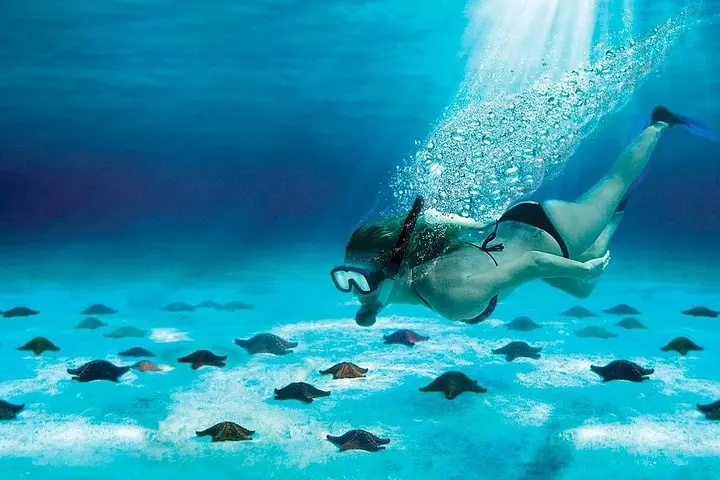
What the day feels like
The boat slips away from the pier with a soft, impatient buzz—the engine a promise of speed, the wind already braiding your hair into the rhythm of the sea. Within twenty minutes the shoreline of San Miguel de Cozumel has shrunk to a green ribbon; beyond it, the water takes on a new vocabulary of blues. When the captain eases the throttle and points toward the southern reefs, the ocean seems to breathe, and you know you’re leaving ordinary hours behind.
Cozumel’s best days arrive in water: clear, warm, and generous. This full-day high-speed boat excursion threads you through the Arrecifes de Cozumel National Park, a protected stretch of the Mesoamerican Barrier Reef System that reads like a living museum of coral architecture. The trip’s headline stop is <a href="https://app.advcollective.com/local-experts/snorkel-cozumels-el-cielo-and-reefs-full-day-high-speed-boat-adventure">El Cielo</a>, a shallow sand flat named “the sky” for its luminous turquoise shallows and dense carpets of starfish. You’ll also drop anchor at two other acclaimed snorkeling sites—each with distinct coral formations, swim-throughs, and schools of reef fish that are unbothered by human company.
There’s a reason divers and snorkelers set calendar alerts for Cozumel. Geologically the island perches on a limestone platform created over millennia by coral. The reef around Cozumel benefits from clear Caribbean water and currents that funnel nutrients without the heavy sedimentation found on continental shorelines. That combination fosters coral varieties—from boulder and brain corals to delicate elkhorn—and attracts an ecosystem of parrotfish, angelfish, rays, and loggerhead turtles. Culture here feels equally maritime: the island’s economy, cuisine, and rhythms remain tied to the sea, from small-scale fishermen servicing local paladares to the islanders who still honor marine stewardship through community conservation partnerships.
The itinerary is straightforward and democratic: a high-speed boat carries you to two reef sites and to the star-studded sands of <a href="https://app.advcollective.com/local-experts/snorkel-cozumels-el-cielo-and-reefs-full-day-high-speed-boat-adventure">El Cielo</a>, with time at each to gear up, slip into the shallows, and watch the reef life unspool. Guides brief you on reef etiquette—no touching, minimal splashing, and reef-safe sunscreen only—then lead brief surface swims to point out highlights and safety cues. The day moves with a practical grace: relaxed snorkeling windows, a light lunch back on the boat, and open space for photographers and casual floaters alike.
Practical details matter. Expect an eight-hour outing; the price point typically starts around USD 204, with additional port or park fees sometimes added. The boat operates with instant confirmation, so you can book with confidence and plan the rest of your day—whether you’re staying in San Miguel de Cozumel or crossing from Playa del Carmen.
Why go? For clarity there’s nothing like Cozumel: the visibility often exceeds 30 meters, coral formations are close to the surface, and marine life is abundant and approachable. El Cielo adds a show-stopping contrast—large shallow sand flats perfect for wading, clear enough that a school of rays or a lone sea star looks suspended between sea and sky. For photographers, this is an exercise in blues; for families, it’s an accessible introduction to reef ecology; for committed naturalists, it’s a reminder of what thoughtful protection can preserve.
Booking tips: take an early ferry if you’re coming from the mainland or expect a prompt pickup from your hotel if you’re staying on Cozumel. Bring a small dry bag, reef-safe sunscreen, and a light waterproof camera. If you’re prone to seasickness, a tablet the night before and a ginger tablet the morning of can make an eight-hour day feel generous rather than grating.
Safety and stewardship go hand in hand. The Arrecifes de Cozumel National Park exists to limit destructive activities and preserve reef health. Respect the guides’ advice, don’t chase or touch wildlife, and avoid stepping on coral—these actions matter as much as the camera you bring. And if you leave the water with a new curiosity about reef systems, consider reading up on the Mesoamerican Barrier Reef and local conservation groups who support monitoring and coral restoration.
At day’s end, the island welcomes you back with simple pleasures: fish tacos at a beachside shack, a cold local cerveza, and a sunset that slides behind a horizon that still smells faintly of brine. Whether you’re a first-time snorkeler or someone counting coral species casually, this high-speed, full-day tour distills Cozumel’s best reef experiences into one accessible outing. Book smart, pack light, and let the water do the rest—El Cielo and the surrounding reefs will reward curiosity with color and motion that stay with you.
Trail wisdom
Small choices, better day.
Arrive Hydrated
Drink water before boarding—salt air and sun increase dehydration on a full-day boat trip.
Use Reef-Safe Sunscreen
Choose mineral-based, reef-safe SPF applied at least 15 minutes before entering the water to protect coral and your skin.
Secure Your Equipment
Strap or tether cameras and mask to avoid losing gear overboard during choppy sections.
Manage Seasickness Proactively
Take preventative medication or ginger the night before if you’re prone to motion sickness—you’ll enjoy the water more.
Local knowledge
Read the place, not just the route.
Watch for native species including Southern stingrays, Green and hawksbill sea turtles.
Keep an eye out for wildlife during the transition between areas and habitats. Respect distance guidelines.
El Cielo and surrounding reefs sit inside the Arrecifes de Cozumel National Park; visitors are asked to follow no-touch policies, use reef-safe sunscreen, and support local conservation fees when possible.
Follow the guide's instructions on size limits, ethical handling, and leave-no-trace practices.
Palancar Gardens—large coral pillars and swim-throughs less crowded than some sites. Punta Sur Eco Beach Park—a quieter southern coastline with a lighthouse and small museum
Locally recommended viewpoints and quiet spots known best to local operators.
Cozumel has long been a maritime crossroads—from Maya sea lanes to modern tourism—and the reefs have shaped island culture and livelihoods.
Maritime roots and regional tradition shape the waterways and working coasts.
Seasonal guide
Four versions of the same landscape.
Spring
Best forWater clarity · Calmer seas · Ideal temperatures
ChallengesHigher demand for tours · Limited availability on holidays
Spring (March–May) often brings the best visibility and comfortable water temps—book early for peak windows.
Summer
Best forWarmer water · Abundant tropical fish · Longer daylight
ChallengesOccasional afternoon storms · Higher heat and sun exposure
Summer delivers warm water and active reefs; watch weather forecasts for brief squalls and plan early departures.
Fall
Best forFewer crowds · Lower prices · Good visibility some weeks
ChallengesHurricane season peaks · Potential for rougher seas
Fall can be quieter and less expensive but carries hurricane-season risk—purchase flexible cancellation options.
Winter
Best forCooler air temps · Good dry-season visibility · Less humidity
ChallengesSlightly cooler water · Busy holiday periods
Winter offers crisp days and clear water; book in advance around holiday weeks for best availability.
Operator details
What the booking data adds.
Included
- ✓Round transportation by air-conditioned vehicle from hotels in Riviera Maya and Playa del Carmen
- ✓Aquatic lycra and complete snorkeling equipment
- ✓Lunch and non-alcoholic drinks
- ✓Speedboat ride through Cozumel
Not included
- —Bring cash to pay ferry fee
Good to know
- ✓Public transportation options are available nearby
- ✓Suitable for all physical fitness levels
Pack with intention
What to bring.
Good to know
Common questions.
No—basic swimming ability and comfort in open water are enough; guides provide a safety briefing and stay nearby.
Plan the edges
The details that make the day easier.
El Cielo gets its name from the sky-blue shallow sand flats and hosts large aggregations of sea stars; the surrounding Arrecifes de Cozumel are part of the second-largest barrier reef system in the world—the Mesoamerican Barrier Reef.
After the water, head back to San Miguel de Cozumel for fresh ceviche or grilled fish at a seaside palapa—pair with a local beer or a michelada; for a relaxed cocktail with a sunset, try a small bar near the Malecon.
- Closest airport
- Cozumel International (CZM)
- Alternative
- Cancun (CUN) + 45-min ferry from Playa del Carmen; Driving
- ferry distance
- Playa del Carmen to Cozumel ferry ~40 km by road then 45-min crossing; Cell service: Reliable on island but limited at offshore sites; Permits
- fees
- Park fees or port taxes may apply—confirm with operator.
This reef is part of a protected national park—use reef-safe sunscreen, avoid touching coral or wildlife, pack out all trash, and support operators who contribute to local conservation programs.
Explore by topic
Follow the threads.
Keep exploring
Make the story part of the trip.
 Related story
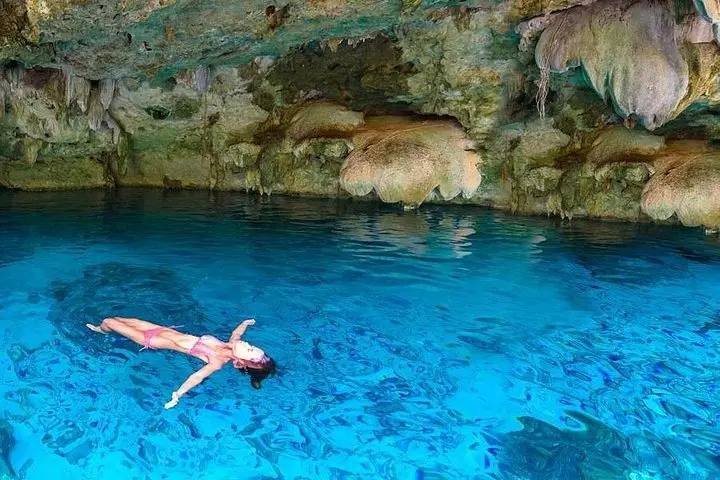
Dive into the Yucatán’s secret freshwater caverns and drift over the shallow reef gardens of Yalku Lagoon—an accessible, half-day snorkel pairing that blends geology, Mayan history, and vivid marine life.
 Related story
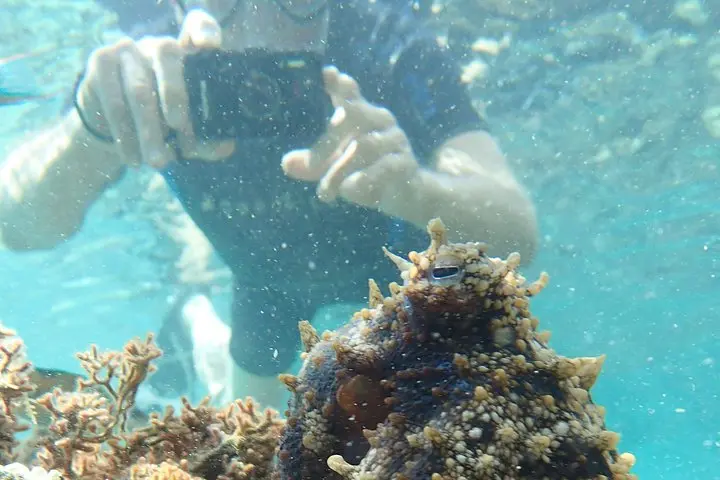
Slip beneath Porto Santo’s sunlit surface to find a mosaic of seagrass meadows, volcanic shelves, and playful schools of fish. This three-hour snorkeling tour pairs small-group access with local stewardship—ideal for travelers who value marine life over crowds.
 Related story
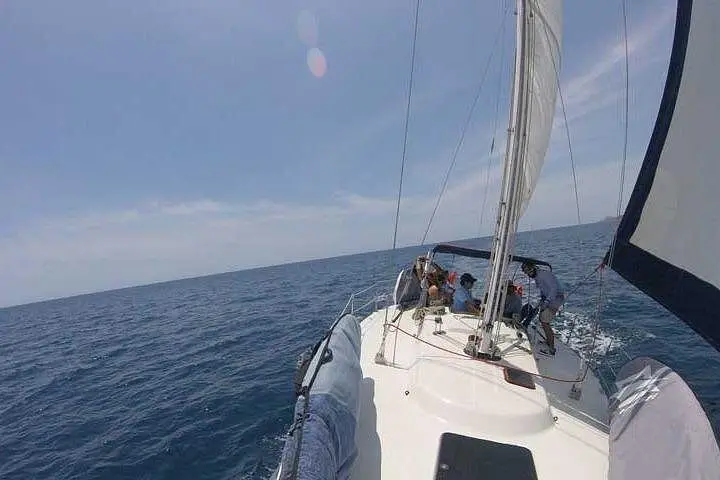
Spend four hours sailing off Cabo San Lucas—snorkel coral-rich coves, paddleboard into sheltered bays, and relax with a premium bar on a small, well-run boat. This half-day outing is ideal for travelers who want maximum ocean time with minimal planning.